

In a striking turn of events, Lagos State Police have detained a 65-year-old man, Chibuike Azubike, who allegedly posed as the “Obi of Lagos.” This arrest has sparked significant conversation due to the implications it holds in the realm of cultural representation and identity.
Azubike was taken into custody with three other individuals accused of collaborating with him in an attempt to host an unauthorized ceremonial event. This development unfolds amidst increasing ethnic tensions, particularly among young Nigerians on various social media platforms, who debated Azubike’s intended coronation.
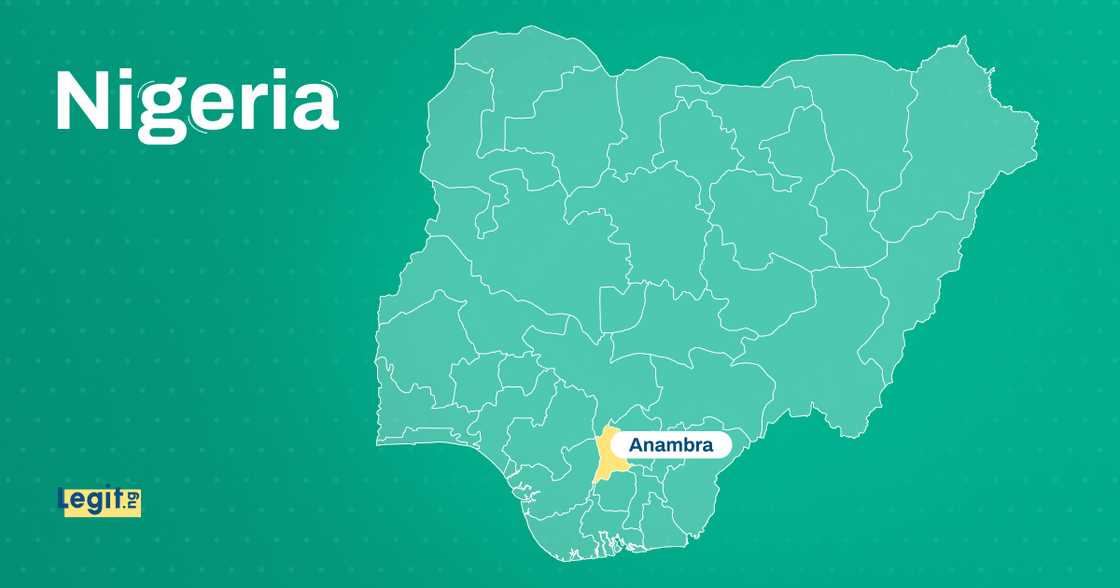
The backdrop of this case is laden with traditional and cultural sensitivities. Azubike, reportedly from Obodoukwu Ancient Kingdom in the Ideato North Local Government Area of Imo State, was arrested along with Chief Chibuzor Ani (57), Chief Martins Nwaodika (65), and Ikechukwu Franklin Nnadi (41), reflecting a complex picture of national and ethnic identity.
Currently, these individuals are held at the command headquarters in Ikeja. According to a statement shared by the police on X.com, the group planned to unveil a prototype that was purported to represent a N1.5 billion “Palace of Obi of Lagos State” at Apple Hall, Amuwo Odofin, set for Saturday, September 13, 2025. This was preemptively foiled by authorities as they anticipated potential disturbances and ensured that citizens would not be misled.

Olohundare Jimoh, the Commissioner of Police, detailed that tactical units, including the Eko Strike Force, were dispatched to the site to maintain order. Investigations are progressing, and the suspects face judicial proceedings pending further police inquiries.
Jimoh’s warnings to the public resonate with a call for vigilance against impostors exploiting cultural institutions, reminding citizens that such acts can disrupt peace and are unlawful.
This arrest echoes past incidents emphasizing the delicate balance between cultural authority and legality. For instance, on April 1, 2023, Frederick Nwajagu, known as the Eze Ndigbo of Ajao Estate, faced similar charges for illegitimately claiming a traditional title in Lagos.
The narrative of Azubike and his associates sheds light on the broader issues of ethnic representation and identity politics within Nigeria. As Lagos continues to embody a melting pot of diverse cultures, the case serves as a pertinent reminder of the complexities involved in cultural identity and recognition.
Globally, this event highlights the ongoing struggles many face in asserting and maintaining cultural identities within urban centers, making it an issue not just of local significance but of international curiosity.
What do you think about the challenges of ethnic representation in Nigerian leadership? Have the measures taken been fair and effective? Share your perspectives.
Food inquiries: [email protected]
General support: [email protected]
Story sales/submissions: [email protected]
Follow us on Facebook
Follow us on X (Twitter)
Follow us on Instagram