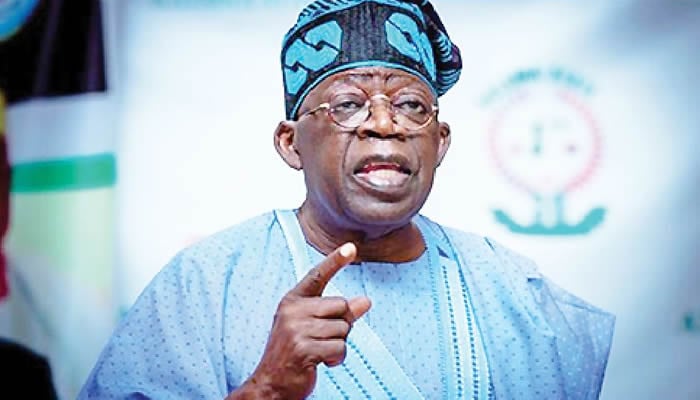


A recent statement credited to Isaac Fayose, reportedly the younger brother of former Ekiti State Governor Ayo Fayose, has reignited conversations about the delicate fabric of Nigeria’s national identity. In a viral video that has been widely circulated on various social media platforms, Isaac Fayose comments on the longstanding topic of ethnic representation and national ownership in Nigeria, touching on issues that continue to shape the country’s politics and public discourse.
According to sources, Fayose allegedly challenged the educational notion that Nigeria is fundamentally built upon a tripod of Hausa, Igbo, and Yoruba ethno-linguistic groups. His remarks have sparked debate among Nigerians both at home and in the diaspora, highlighting underlying tensions and prompting many to reflect on unity, inclusion, and political participation in Africa’s most populous nation.
Fayose, in the circulated footage, is said to have stated that the Igbos are not truly counted among Nigeria’s dominant blocs. He expressed the controversial view that only the Hausa and Yoruba are considered in the country’s mainstream national narrative, with the Igbos, in his opinion, experiencing systemic exclusion or marginalization in Nigeria’s political structure. Such claims, even if not universally accepted, underscore enduring perceptions of inequality in national representation.
He is quoted as saying: “They said Nigeria belongs to Hausa, Igbo, and Yoruba, but that’s a lie… take out that Igbo, stop including them because it’s a lie.” These assertions, while provocative, are part of Nigeria’s broader history of heated ethnic and political debates, especially in seasons leading up to or following tightly contested elections.
Supporters of Fayose’s position, as well as detractors, have been quick to respond through various online forums. Some have praised his candor, describing his views as “an honest truth,” while others have challenged the exclusionary tone or factual accuracy of his statements. The diversity of opinions reflects both the sensitivity and complexity of discussions regarding national identity in Nigeria and across West Africa.
Netizens Reactions…
Social media users, as reported by various platforms, have expressed a wide spectrum of viewpoints:
@reacted: “Honest truth.”
@said: “History will never forget you, brother. I’m not Igbo, but I love the way you speak and stand for the truth. We need it to move this nation forward.”
@commented: “I’m Yoruba but an Igbo President will make Nigeria great. I love Igbo people and their business mindset.”
@wrote: “God bless you, my brother, for saying the truth.”
@asked: “Where is Jonathan from?”
Others offered a nuanced take on the situation. A user remarked: “@isaacfayoseoriginal_ God bless you Sir for speaking the truth. I wish other Nigerians can shun tribalism and unite for the progress of Nigeria. Tribalism is a tool against Nigerians and the unity of Nigeria. Politicians have weaponized tribalism which enables them thrive in continued political and socioeconomic incompetence.”
Yet another contributor added: “I agree with what you said, sir, but look at it, does Igbo really have d right candidate? Obi is just chameleon to me he’s not real, neither do they have the NOWAHALAZONE experience as our current president @officialasiwajubat, the one and only politician that have ever created more millionaires and successful individual in the whole nation. Make we leave hatred, JAGABAN na baba.”
Other social media voices pushed back, urging for a more inclusive definition of Nigerian identity. One user stated: “@wellingtonisgreat said: ‘Nigeria belongs to everybody not hausa, yoruba, igbo, Benin have not been president before let us go? You dey talk anyhow.’”
Another respondent reflected: “Those that have been president, were they given free or charge? Was there a law that stopped Igbo man from being a president? How do people become a president? Or do you mean Igbo have never been allowed to contest for presidency? Same thing goes to women too, why are women not hugely represented in all positions even presidency? No one is stopping anyone from becoming anything, you just have to change your strategy and alignment. You can’t be doing same thing over the years and not get the desired result and still want to stick to that failed pattern to achieve a new result. Igbo people and their candidate must be encompassing. Hausa has been aligning more to Igbo people to get whatever position they wanted and why are they not returning the favour hugely? Align to anyone that can boost your chance of winning and be well accommodating and understanding of the power of choices and politicking. I might be wrong 0000. Na ma small knowledge I take respond oooo.”
See below
View this post on Instagramhttps://www.instagram.com/reel/DOY5HHiDM4c/?utm_source=ig_embed&utm_campaign=loading
The broader question raised by Fayose’s alleged statements is neither new nor unique to Nigeria. Across West Africa, the politics of identity—whether ethnic, regional, or religious—remains a central theme in national and local governance. In Ghana, Côte d’Ivoire, and Senegal, for example, similar discussions about inclusion, marginalization, and the criteria for national leadership have shaped electoral outcomes and public policy decisions.
In Nigeria, the notion that national unity depends on a “tripod” of major ethnic groups has historically informed both the allocation of political offices and the informal agreements that attempt to balance power among identities. At the same time, evolving voter expectations and increased public scrutiny mean that these frameworks are now being re-examined by a new generation, many of whom express their views through digital platforms.
Analysts suggest that rather than deepening ethnic lines, the focus must shift toward creating truly inclusive systems where leadership is accessible to qualified Nigerians regardless of their regional or group background. According to political commentator Dr. Oluyemi Okunola, “Building a sense of shared ownership in Nigeria will require both structural reforms and a renewed civic commitment to recognizing all citizens as stakeholders in the country’s future.”
International observers highlight that how Nigeria resolves such questions may influence broader trends in Africa’s democratization and nation-building. As a regional leader and Africa’s largest economy, Nigeria’s approach to balancing diversity and unity is closely watched by its neighbors and global partners alike. The lessons drawn from Nigerian experiences may guide policy and discourse in other multi-ethnic societies grappling with similar questions of identity and inclusion.
As the conversation continues online and offline, the hope expressed by many is for constructive engagement that strengthens rather than weakens national unity. Whether or not Nigerians agree with Isaac Fayose’s views, the wider debate they have sparked is a reminder of the ongoing need to foster dialogue, understanding, and opportunity for all. While emotions can run high around questions of ethnicity and leadership, many voices call for a future where merit, equity, and collaboration become the paramount filters for national progress.
What do you think: Should national unity in Nigeria—and across West Africa—be based on ethnic balancing, or is it time to rethink how leaders are chosen and who gets to contribute to the country’s journey? Share your thoughts and let’s continue the conversation constructively.
Food inquiries: [email protected]
General support: [email protected]
Story sales/submissions: [email protected]
Follow us on Facebook
Follow us on X (Twitter)
Follow us on Instagram