

On any given Monday morning in Lagos, as keke drivers blow their horns and commuters hustle to work, nothing throws the day into chaos quite like the dreaded sight of winding fuel queues outside petrol stations. These queues have long been a symbol of Nigeria’s struggle to keep its engines running, sparking frustration from everyday business owners to large-scale transport operators. For years, the question on everyone’s mind has been: why does Africa’s largest oil producer still grapple with persistent fuel shortages?
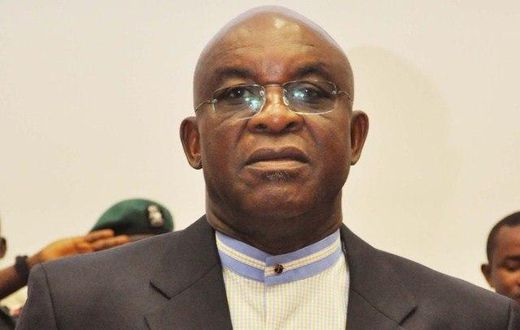
This struggle reached a fever pitch between 2016 and 2019, during the tenure of Dr. Ibe Kachikwu, who served as Nigeria’s Minister of State for Petroleum Resources. His time in office was defined by repeated nationwide fuel scarcity that tested both the patience of Nigerians and the resilience of the country’s economy. Recent remarks from Dr. Kachikwu, shared during a virtual business mentorship series hosted by the Nigerian Content Development and Monitoring Board, have once again brought this period—and its behind-the-scenes battles—into the limelight.
Fuel scarcity was not just a headline, but a lived reality for millions. Long queues at filling stations would stretch through neighborhoods, with frustrated drivers pressed for time and commercial activity grinding to a halt. The pain was especially acute for traders counting losses and ride-hailing drivers who struggled to make ends meet. Dr. Kachikwu explained that the root of the crisis ran deeper than government inefficiency; much of the subsidised petrol flowing into Nigeria was vanishing across porous borders, where it was sold for higher profits in neighboring nations like Benin, Niger, and Cameroon.
“Every morning you’d see lines snaking around the block and know the whole nation was at a standstill. As both minister and GMD, it was my duty — and, honestly, an exhausting ordeal — to go from station to station, trying to resolve the blockages. At times, I barely got any sleep,” Kachikwu shared, echoing the fatigue of officials and everyday Nigerians alike. For many, these queues were a daily torment: engines shut down, buses deserted, and tempers flaring beneath the hot West African sun.
Yet, while officials scrambled to address shortages, another culprit worked quietly in the shadows. Petroleum products, purchased at heavily subsidised rates for Nigerians, were regularly smuggled en masse into neighboring countries. As Kachikwu described, neither customs officials nor ministerial teams were able to apply the level of political and security firepower needed to truly safeguard Nigeria’s borders. The quest to plug these leaks felt endless—and the consequences, for the average person, were relentless queues and soaring black market prices.
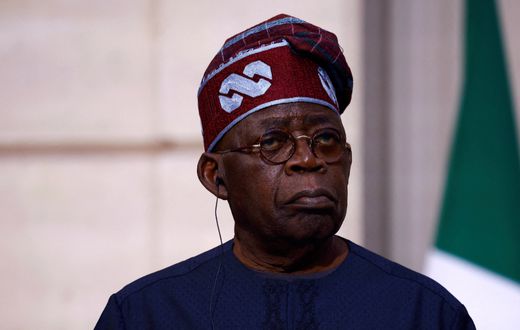
In the midst of this crisis, one possible solution repeatedly surfaced: raising the official pump price of petrol. According to Dr. Kachikwu, he made several trips to the Presidential Villa, urging then-President Muhammadu Buhari to consider adjusting prices. “The reality was bleak; without aligning local petrol prices more closely to those in the sub-region, smugglers would always have an incentive. But President Buhari, true to his popularist beliefs, resisted any dramatic shifts. He worried about the hardship that higher prices would bring ordinary citizens,” Kachikwu recounted during the session.
The president’s reluctance stemmed from a genuine concern for public backlash, a political calculation many West African leaders face as fuel costs make or break household budgets. However, after several rounds of intense discussion, a compromise emerged. “He told me, ‘Take the risk. If your approach works, good. But if it fails, you’re out of the job.’ It was a calculated gamble, but one I was ready to take for the sake of the nation’s stability,” Dr. Kachikwu reflected.
Introducing what came to be known as ‘price modulation,’ Kachikwu and his team paved the way for petrol prices to reflect trends on the global market, rather than being set artificially low. This move, while controversial, triggered a remarkable transformation across Nigeria. Within two days of the price adjustment, the nation’s notorious fuel queues vanished almost overnight. The supply chain stabilised, and for a rare moment, filling stations operated without the usual commotion and disorder.
“Eliminating the subsidy had an immediate impact,” he explained. “The queues disappeared. People could get back to their daily routines without the constant anxiety over whether they’d have enough petrol for work, school runs, or market trips.” He added that, beyond improving daily life, channeling funds away from subsidies meant more resources were available for critical infrastructure projects and social services—a benefit that extended far beyond the filling stations themselves.
For Nigerians, this chapter was a reminder of the lasting impact government decisions have on everyday life. Market women in Onitsha, okada riders in Ibadan, and tech startups in Abuja all felt the ripple effects. For regional neighbors in Ghana and across West Africa watching closely, the Nigerian experience with subsidies and border control served as both a cautionary tale and a source of policy inspiration. Similar challenges often spark cross-border debates from Accra to Cotonou, as leaders balance subsidised fuel prices, border security, and the ever-changing realities of global crude oil markets.
International observers, too, have long pointed to Nigeria’s subsidy regime as a central factor in the country’s chronic fuel shortages. As oil prices fluctuate, African economies tied to fossil fuels continue to confront tough questions: When should governments intervene directly? How can they build trust with citizens while ensuring essential supplies aren’t siphoned away by smugglers and profiteers? And above all, whose job is it to bear the risk when reform is desperately needed?
Economic analysts like Mrs. Fisayo Ogun of Lagos-based Insight Weekly note, “Nigerians are resilient, but above all, they want transparency and consistency. Price modulation was a bitter pill, but it restored confidence—at least temporarily—in our petrol supply system.” On social media, everyday citizens debated the merits and drawbacks, weighing short-term pain against long-term stability. In Ghana, where fuel supply issues sometimes mirror Nigeria’s, cross-border trading blocs continue to study their neighbor’s experience as they shape their own policies for national benefit.
While fuel queues have made a resurgence in recent times, the lessons from Kachikwu’s era remain deeply relevant. The events of 2016-2019 encapsulate wider truths faced by many African economies: that balancing affordability, supply reliability, and preventing smuggling requires a united effort from government, border authorities, businesses, and the everyday consumer alike.
Looking ahead, the Nigerian government—along with others in West Africa—must grapple with familiar questions: Can smarter border controls and regional cooperation prevent widespread smuggling? Should fuel pricing always track global trends? And how can citizens’ interests remain front and center as difficult reforms are weighed?
Share your own experiences: How did you cope with the notorious fuel queues, and what do you think is the best path forward for Nigeria’s energy sector? Your voice matters—join the conversation in the comments below.
Have a unique story on fuel scarcity, smuggling, or daily business in Africa? NowahalaZone buys stories. Email submissions to [email protected].
For general support, reach out at [email protected].
For food inquiries, contact [email protected].