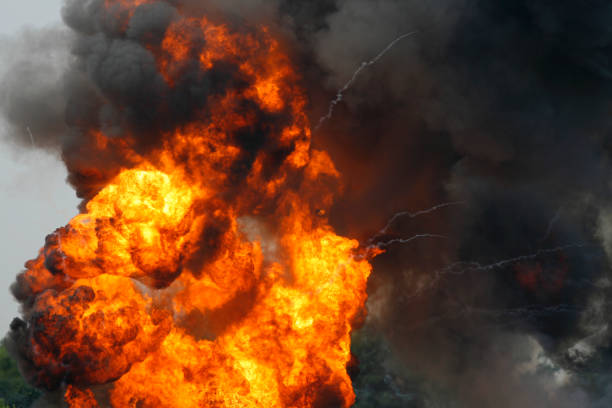


In a tragic turn of events, a gold mine in northern Sudan has collapsed, resulting in the loss of six lives while an estimated 20 individuals remain trapped beneath the ruins. This unfortunate incident took place on Friday in the Um Aud locality, situated west of Berber city in River Nile state, according to reports from Hassan Ibrahim Karar, the executive director for the Berber area.
Efforts to rescue those buried under the debris are currently underway, but specific details about what may have caused the collapse of this artisanal mining site have yet to be clarified by the officials. The situation underscores the inherent risks faced by miners who often work in unregulated environments.
Sudan’s economy is deeply intertwined with its gold industry, especially since the outbreak of conflict in April 2023 between the national military forces and the Rapid Support Forces (RSF). Both factions are believed to be leveraging the nation’s gold resources to sustain their respective war efforts, intensifying competition for control over these lucrative mining sites.
Interestingly, nearly all of Sudan’s gold trade routes lead to the United Arab Emirates. Despite accusations that the UAE has supplied arms to the RSF, the country firmly denies these allegations. However, the relationship between the gold trade and the wider geopolitical issues remains a topic of concern and debate.
Amidst this backdrop of turmoil, authorities have optimistically projected a record-breaking gold production figure of 64 tonnes for the year 2024, positioning Sudan as a leading gold producer in Africa — the third-largest country on the continent. Yet, the majority of this production is derived from small-scale and artisanal mining operations. These environmental and safety-unregulated activities expose miners to grave health hazards, including exposure to toxic chemicals.
Prior to the civil unrest and subsequent humanitarian crisis that threatened to plunge over 25 million Sudanese into severe food shortages, artisanal mining was a significant source of employment, engaging more than two million individuals. This reliance on mining reflects similar vulnerabilities seen across many African nations, including Nigeria, where smaller, informal mining practices often prevail due to economic necessity.
With ongoing conflict in Sudan, experts in the mining sector fear much of its gold output is being clandestinely funneled through neighbouring countries such as Chad, South Sudan, and Egypt before reaching the lucrative markets in the UAE. As of now, the UAE ranks as the world’s second-largest gold exporter, underscoring the global importance of this trade despite its contentious underpinnings.
The harrowing civil war has resulted in a humanitarian crisis of enormous proportions, taking tens of thousands of lives and forcing approximately 10 million people to abandon their homes, marking it as one of the world’s largest displacement events. Moreover, an additional four million Sudanese citizens have sought refuge beyond the nation’s borders, searching for safety and stability amidst the chaos.
For Nigerians, the complexity of Sudan’s predicament is relatable, given the shared struggles with insurgencies, resource management, and economic resilience. As we navigate our own socio-economic challenges, Sudan’s situation serves as a cautionary tale of how resource wealth can become both a blessing and a curse.
Understanding these dynamics can foster conversations about sustainable resource management and peace-building within our communities. It invites us to reflect on how we might leverage our natural resources responsibly to uplift rather than divide.
As global citizens, we can learn from Sudan’s experience, advocating not only for safe mining practices but also for transparency and regulation to ensure such industries benefit the larger community rather than just a few powerful entities.
Let us ponder on these insights and discuss how they might inspire positive change within our own borders. What strategies can Nigeria adopt from Sudan’s experience to ensure a more equitable and sustainable use of our natural resources? Share your thoughts in the comments below.