

Nigeria’s refined fuel market has once again become the focal point of heated debate following serious allegations by Dangote Petroleum Refinery against some of the country’s most prominent fuel importers. In a strongly-worded response published as a paid advertorial, Dangote accused key players in the Depot and Petroleum Products Marketers Association of Nigeria (DAPPMAN) of manipulating fuel consumption data, inflating subsidy claims, and distributing subpar petrol—all at the expense of Nigerian consumers and taxpayers.
The refinery argued that the widely reported figure of 93 million litres of daily petrol consumption, frequently cited by stakeholders and government sources, is significantly exaggerated. According to Dangote, actual market demand is well below half this total, raising pressing questions about the accuracy of official data and the legitimacy of subsidy payments made over the years.
Alleged Fuel Quality Issues and Questionable Subsidy Claims
Dangote’s latest public statement didn’t just stop at challenging data. The company pointed to what it described as a longstanding pattern of fraudulent activity in the petroleum sector. It alleged that inflated fuel consumption numbers had been used to justify massive subsidy payments, crude oil swap deals, and claims from the equalisation fund—initiatives originally meant to stabilize fuel prices and ensure equitable supply across Nigeria.
According to local media reports, including a detailed coverage by BusinessDay, Dangote accused specific members of DAPPMAN—such as Matrix, AA Rano, AYM Shafa, and NIPCO—of importing petrol in 2022 that contained over 15% methanol. This high level of methanol, the refinery asserted, led to widespread engine damage for unsuspecting motorists across the country, threatening both safety and the credibility of Nigeria’s downstream sector.
The refinery went further to blame the continued practice of round-tripping—where the same fuel is resold multiple times, benefiting only intermediaries—for draining public funds and worsening the nation’s fiscal problems. Industry analysts estimate that such activities may have cost Nigeria trillions of naira, funds that could otherwise have been invested in infrastructure, education, or healthcare.
To address these concerns, Dangote called for an independent and thorough forensic audit of both fuel importers’ records and the accounts used for equalisation payments and regulatory revenues. The refinery insisted that making these companies’ financial statements public for the past 10 years is essential for uncovering the scale of the alleged fraud and restoring public trust.
Disputing Claims on Market Share and Transparency
Questions about transparency extend beyond financial claims. Dangote also challenged the process by which imported fuel is certified and what it describes as opaque reporting of current market realities. The refinery disputed suggestions that it supplies only 35% of Nigeria’s petrol needs—an assertion made by several importers and repeated in the media. The company noted that the absence of transparent, independently verified data from regulators leaves the public in the dark regarding the true scale of local consumption and supply.
Dangote warned that without reliable consumption figures, regulators are unable to properly implement quota allocations or plan for strategic reserves, as mandated by Nigeria’s Petroleum Industry Act (PIA). This, the refinery argued, undermines sector reforms and hinders the development of a stable, competitive market that can benefit all Nigerians.
Examining Pump Prices: Nigeria vs. Togo and the Regional Market
Price disparities between Nigeria and its neighbours have also come under scrutiny in this ongoing dispute. Dangote responded to claims that its refinery sells petrol at cheaper rates in Togo compared to Nigeria. It emphasized, through comparative data, that pump prices in Lomé, Togo’s capital, reach 680 CFA francs per litre (equivalent to ₦1,826), which is nearly double the average price of ₦865 per litre reported in Nigeria.
This price differential, Dangote maintained, positions Nigeria as a regional leader in fuel affordability, especially with over 60% of the refinery’s crude feedstock being sourced externally. The refinery’s claim aligns with routine reports highlighting Nigeria’s fuel price debates and persistent cross-border smuggling due to price arbitrage.
Efforts to get a reaction from DAPPMAN to these new allegations were ongoing at press time. Previously, the association accused Dangote Petroleum Refinery of offering cheaper petrol abroad than within Nigeria, igniting a debate on national and regional pricing policies.
Industry Reaction: Resistance and Calls for Reform
Observers and stakeholders in the oil and gas sector have not been silent on these developments. Dangote insisted that the pushback from established fuel importers is not prompted by consumer interests, but rather by efforts to protect lucrative opportunities for arbitrage—a view echoed by Lagos-based industry economist Olisa Eze who noted, “Sustained opposition to sector reform often emerges when entrenched profits are threatened.”
“It is increasingly clear that DAPPMAN and some of its members remain disproportionately focused on the importation of refined products,” the refinery said.

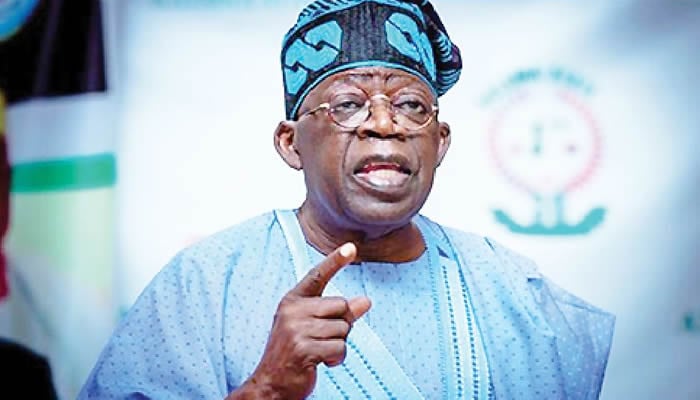
Credit: Bloomberg/Contributor.
Source: Getty Images
For millions of Nigerians, these disputes translate into immediate concerns about pump prices, fuel availability, and the long-term direction of energy market reforms. Industry watchers say the ultimate resolution could determine whether petrol becomes genuinely affordable and supply more reliable, or whether old problems—scarcity, high prices, and poor quality—will persist.
Disputes Over International Pricing and Export Policies
The international dimension of this standoff became even clearer when DAPPMAN’s executive secretary, Olufemi Adewole, told journalists that some Nigerian importers had sourced Dangote’s refined fuel in Lomé, Togo, at prices lower than what was offered to buyers inside Nigeria. This assertion reignited concerns over export pricing, regulatory oversights, and possible capital flight.
In response, Dangote Group, through a robustly worded statement dated September 15, 2025, dismissed these claims as “misleading and inaccurate,” insisting it remains committed to supporting the Nigerian market and maintaining compliance with all industry regulations.
What This Means for Nigerians—and the West African Region
Nigeria’s downstream petroleum sector has long been hamstrung by policy uncertainty, infrastructural deficits, and allegations of corruption. Amid official ambitions to fully deregulate and boost self-sufficiency, the ongoing Dangote-DAPPMAN standoff exposes the complexities inherent in balancing national interests, consumer welfare, and private profits.
Ordinary citizens continue to bear the brunt of these disputes through fluctuating pump prices and periodic fuel shortages, while the government faces mounting pressure to tighten oversight, enforce transparency, and implement sector-wide reforms as stipulated in the Petroleum Industry Act (PIA).
- Legal and regulatory context: The PIA seeks to ensure fair pricing, competition, and robust supply in Nigeria’s petroleum sector, but enforcement remains challenging amid allegations of sharp practice and data manipulation.
- Regional comparison: Fuel pricing, subsidy management, and quality standards remain contentious throughout West Africa, with similar disputes playing out in Ghana, Benin, and Côte d’Ivoire. The stakes are high not only for Nigeria but for the region as a whole, given the country’s role as West Africa’s largest oil producer and consumer market.
- Expert perspective: According to Abuja-based policy analyst Jane Ekanem, “The real test for Nigeria is whether this crisis can become an opportunity for deeper reform—and if ordinary people see a lasting benefit at the pump.”
As dialogue continues between leading refineries, marketers, and regulators, Nigerians and their neighbours will be closely watching for concrete moves that make petrol not only more affordable but also safer and more reliable across the country and the region.
Do you think the sector can overcome entrenched interests to deliver real benefits for ordinary Nigerians? Should authorities do more to increase transparency in the fuel market? Drop your thoughts in the comments and stay tuned for the latest updates on Nigeria’s energy market.
Don’t miss updates—follow us on Facebook, X (Twitter), and Instagram.
Join the conversation—your opinion matters!