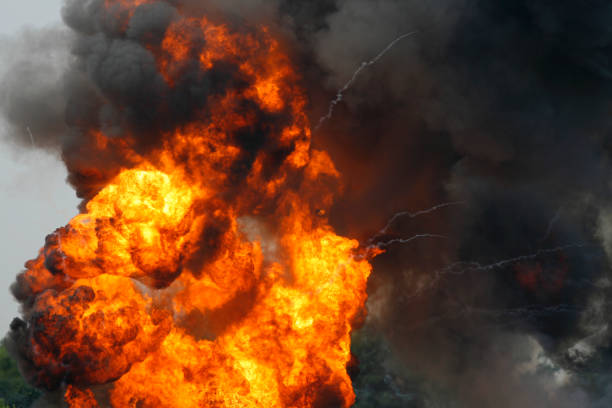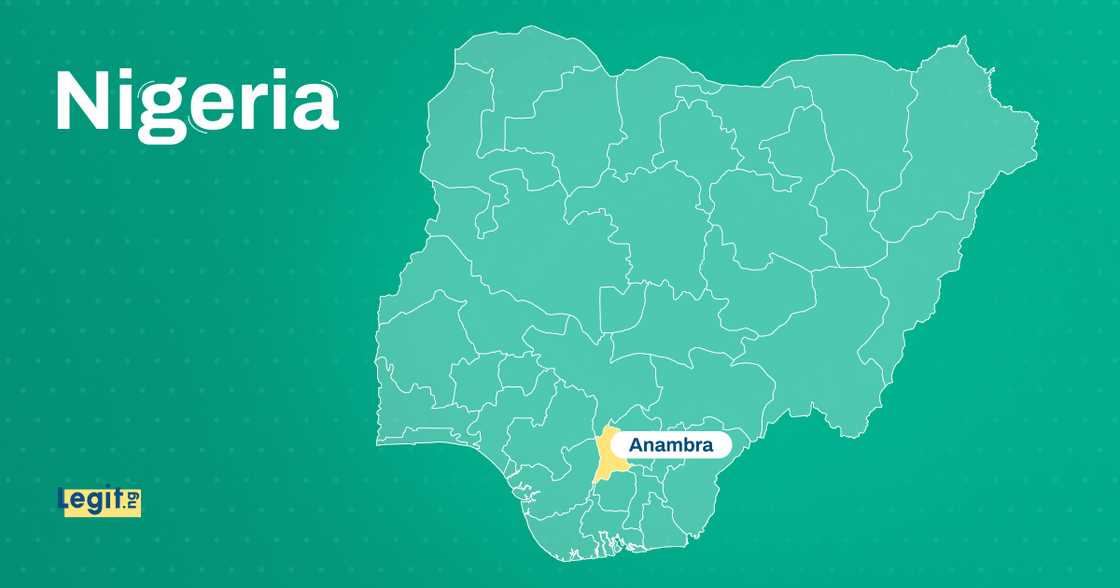


In a significant development for Nigeria’s ongoing fight against insurgency, the Nigerian Air Force (NAF) has reportedly neutralized more than 25 suspected terrorists in a coordinated night airstrike across the Bula and Banki areas, spanning the Yobe and Borno axis. The large-scale aerial operation, which occurred on September 18, represents one of the latest assertive moves undertaken by the military to dismantle terrorist strongholds and limit their operational freedom in the country’s North-East.
This information was detailed in a statement issued by the Director of Public Relations and Information, NAF, Air Commodore Ehimen Ejodame, on Saturday in Abuja. According to the statement, the successful mission was the result of joint intelligence gathering and seamless collaboration between air and ground forces. Ground troops had provided actionable intelligence that enabled the Air Force to precisely locate suspicious movements and concentrations of terrorist elements north of Banki.
“The operations were meticulously planned and executed based on inputs from ground operatives, allowing us to pinpoint high-value terrorist gatherings,” Ejodame explained. The recent strike highlights the growing role of technology and intelligence-led warfare in combating insurgency across Nigeria and the larger Lake Chad region.
The operation comprised a well-orchestrated deployment of Intelligence, Surveillance, and Reconnaissance (ISR) platforms alongside strike aircraft, which tracked movement patterns and identified multiple clusters of suspected militants. Real-time surveillance enabled the effective coordination of three consecutive, precision airstrikes targeting movement routes and assembly points where the terrorist groups were concentrated, according to the NAF spokesperson.
“Throughout the operation, ground forces were kept informed with real-time updates, which made it possible to synchronize both air and ground actions,” Ejodame stated. He further reported that subsequent surveillance showed no immediate threats and confirmed that troops on the ground maintained secure positions without incurring additional risks in the aftermath of the airstrikes.
Beyond the immediate tactical gains, the NAF emphasized that these strikes form part of a broader strategy to restrict insurgents’ movements and disrupt their operational capabilities. “This mission once again demonstrates NAF’s commitment to supporting ground forces, restricting terrorist activities, and helping safeguard the North-East region,” Ejodame said. He also reiterated the force’s dedication to ensuring peace and security in areas most affected by terrorist activities, particularly within Borno and Yobe states, which remain hotspots for insurgent operations.
For many Nigerians, these developments provide hope amidst a backdrop of ongoing violence. Just days prior to the air operation, the country had witnessed a deadly attack on September 8 in the Darajamal community, Bama Local Government Area, Borno State. According to reports, Boko Haram insurgents stormed the community on motorcycles, firing indiscriminately at residents and setting houses and vehicles ablaze. The assault tragically claimed at least 63 lives, including five soldiers, a reminder of the continued threats facing the North-East. Governor Babagana Zulum, in response, described the attack as “very sad,” reiterating the grave human cost of the ongoing conflict while confirming the casualty figures as reported by PUNCH Online.
Eyewitnesses from the affected community expressed their fear and uncertainty, noting that such attacks have become disturbingly frequent in recent years. Musa Abdullahi, a resident of Bama LGA, shared his perspective: “We live every day not knowing if we will be safe. This latest news of the Air Force’s action gives us some reassurance, but our people need lasting peace and protection.”
Security analysts say that coordinated air operations have become increasingly vital in counter-insurgency campaigns, especially when ground access is challenging due to difficult terrain or potential landmines. “Air power multiplies the reach and effectiveness of Nigeria’s military forces, but sustainable peace relies on a mix of kinetic action, intelligence, and socio-economic rebuilding,” notes Dr. Aisha Salisu, an Abuja-based security studies expert. She further called for increased support for local communities, improved infrastructure, and more inclusive dialogue to address the root causes of extremism.
While the immediate tactical victory has been welcomed, observers caution that lasting security gains will depend on the ability of both federal and state governments to restore public confidence, offer psycho-social support to affected populations, and reestablish disrupted livelihoods. Lessons from neighboring countries such as Niger, Chad, and Cameroon demonstrate the importance of sustained, multi-faceted approaches combining military operations with humanitarian and development initiatives.
International partners and humanitarian organizations have also expressed concern about civilian casualties and displacement resulting from ongoing violence in the Lake Chad Basin. Although the most recent airstrike, according to the NAF, was carried out with precision to minimize collateral damage, regional security remains fragile, and the need for partnership with local communities is greater than ever.
Additional data from the Armed Conflict Location & Event Data Project (ACLED) as of mid-2023 underscores the scale of insecurity in the North-East; more than 40,000 people have reportedly died due to Boko Haram-related violence since 2009, with millions more displaced from their homes. This makes the fight against insurgency not only a matter of military tact, but a pressing humanitarian priority for Nigeria and the broader West African sub-region.
Military authorities have repeatedly urged the general public to support ongoing operations by providing timely information and remaining vigilant. According to Ejodame, “We call on all Nigerians, especially those in affected areas, to continue cooperating with security agencies to enable rapid response to threats and prevent attacks before they occur.”
Meanwhile, public reaction across northeastern communities is a mix of relief and cautious optimism. Some residents, while lauding military efforts, remain anxious about the persistence of threats and the resilience of insurgent groups known for regrouping after major setbacks. Others hope that recent advances will open the path to greater investment in education, health, and livelihoods, which many believe are essential for durable peace.
Looking at a regional perspective, similar tactics have been adopted by air forces in neighboring Chad and Cameroon, with varying degrees of success. This underscores the complexity and evolving nature of counter-insurgency operations in West Africa—a region where national boundaries often do little to contain extremist movements.
In summary, while the reported elimination of over 25 terrorists in combined air operations is a notable step forward, it also raises important questions about what comes next for communities caught in the crossfire. The path towards peace and stability in North-East Nigeria will undoubtedly require continued vigilance, better governance, and concerted support for both affected civilians and those fighting to restore safety to the region.
What are your thoughts on the military’s recent strategies in confronting insurgency in Nigeria’s North-East? Do you believe these airstrikes will make a lasting difference for local communities? Drop your comments below and join the conversation. For more developments and in-depth reports on national security, follow us on our channels.
For general support or to send us news tips and opinions, reach out at [email protected].
Keep the conversation going—follow us on Facebook, X (Twitter), and Instagram for more breaking news and community stories!