

The political situation in Rivers State has once again brought to the forefront the complex relationship between Nigeria’s federal government and its state authorities. Following the recent return of Governor Siminalayi Fubara to office after a six-month suspension, the African Democratic Congress (ADC) has urged the Supreme Court of Nigeria to address pressing questions about the use and interpretation of Section 305 of the 1999 Constitution, particularly the section that outlines emergency powers within the federation.
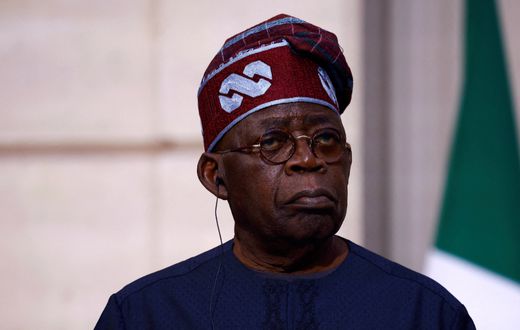
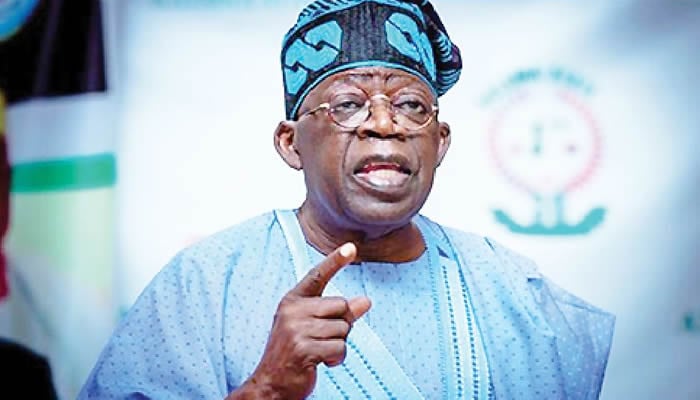
The ADC’s concerns come amid deepening debates over the legal and constitutional boundaries of presidential authority. According to a statement by Bolaji Abdullahi, the party’s National Publicity Secretary, the ADC not only condemned the “cavalier” fashion in which President Bola Ahmed Tinubu temporarily removed and then reinstated Governor Fubara, but also warned of the dangerous precedent such actions could set for Nigeria’s fragile democracy.
The ADC’s statement, released to major news outlets and widely debated on social media, alleged that political expediency had been masked as statesmanship, with the president’s handling of the Rivers State crisis poised to make a lasting mark on his leadership record. “This incident will inevitably come to define the President’s political legacy,” the party remarked, pointing out that the consequences of these actions would reverberate far beyond Rivers State itself.
Section 305: Emergency Powers Under Scrutiny
Section 305 of the Nigerian Constitution provides the president the ability to declare a state of emergency in cases of dire public danger—such as flood, epidemic, or armed uprising. The ADC contends that the drafters of the Constitution never intended this provision to be wielded as a means of settling political differences or asserting executive dominance over a state government. “Emergency powers,” said Abdullahi in the statement, “are reserved for threats to public safety, not political expediency.”
The ADC further called on the judiciary, and specifically the Supreme Court, to clarify the limits and correct use of these constitutional powers. “In moments like this, the judiciary cannot maintain silent indifference,” the party said, warning that any delay or reluctance to act could undermine trust in Nigeria’s democratic institutions and the rule of law.
Reactions in Rivers and Across the Region
The ADC’s position has resonated with many political analysts and civil society leaders across the Niger Delta and Nigeria at large. A Port Harcourt-based legal analyst, Mrs. Ngozi Chukwu, told NowahalaZone, “The issue here is much bigger than Rivers State. If the president can suspend or reinstate an elected governor at will, the autonomy of every Nigerian state is in jeopardy.”
Residents of Rivers State have voiced mixed reactions. Some have accused the presidency of “high-handedness” and turning elected officials into mere extensions of Abuja. Others, however, defended the intervention as necessary to restore order during a prolonged period of instability. “We only want peace so development can continue,” said local business owner Timi Ogan, highlighting the deep divides such decisions can sow among citizens themselves.
Allegations of Overreaching and the Risk of Centralization
The ADC further critiqued President Tinubu’s instruction for the governor, deputy governor, and all members of the state assembly to “resume” their duties after six months outside office, describing it as “a curious spectacle.” According to the party, these actions implied that state officials serve at the pleasure of the president—a view fundamentally at odds with Nigeria’s federal structure. “Governors and legislators do not draw their mandate from the villa. Their mandate comes directly from the people,” noted Abdullahi.
Many legal observers agree. According to Dr. Fatima Sule, a constitutional law specialist at the University of Lagos, “States must remain autonomous in matters of governance. Otherwise, executive overreach becomes the norm, and judicial recourse the exception, which is a perilous situation for any democracy.”
The party underscored that, for months, the expressed will of Rivers State voters was overridden—not by a judicial process, but by presidential order. “Only a competent court,” the ADC reiterated, “can remove or restrain an elected official, not merely a press release or order from the presidency.”
Wider Implications for Federalism and Governance
This episode is not isolated. Nigeria has, in the past, faced similar tensions between central and state governments. The controversial declaration of states of emergency in Plateau (2004), Ekiti (2006), and Adamawa (2013) under prior administrations have each sparked legal challenges and public debate regarding the scope and intent of Section 305. However, unlike the 2004 case in Plateau, where violence and security breakdowns justified intervention, the Rivers State case has been criticised by opposition parties and some observers as lacking such a clear rationale.
Critics argue that the precedent set in Rivers threatens to discourage state leaders from standing up for their constituents. According to political scientist Dr. Emeka Nwosu, “If the impression is given that governors’ survival depends on Abuja’s good graces, states could prioritize pleasing the center over delivering for the people.”
Even beyond Nigeria, the Rivers episode is being closely watched by observers across West Africa, where the struggle to strike a balance between centralized power and local autonomy is ongoing. With similar debates playing out in Ghana, Côte d’Ivoire, and Senegal, the outcome of this Nigerian dispute could carry lessons for federal and decentralized systems throughout the region.
Presidency’s Perspective and Next Steps
Presidential aides have maintained that President Tinubu’s decision was motivated by efforts to de-escalate tensions and restore peace in Rivers State. Reports suggest the president even cut his vacation short to address escalating insecurity across the country, though the ADC dismissed this as “laughable,” claiming it was instead an effort to bolster his own authority.
While the presidency views its intervention as justified, critics argue it crosses into dictatorial territory. “It was never about addressing the plight of ordinary Nigerians,” alleged Abdullahi, “but about consolidating power and sending a warning to other state governments.”
Analysis: Constitutional Checks and the Path Forward
Constitutional experts emphasize the importance of clear guidelines for invoking Section 305. Without judicial review and transparent criteria, recurring misuse could turn emergency powers into a tool for political coercion. The situation calls for Nigeria’s courts—especially the Supreme Court—to clarify the interpretation of such constitutional provisions and reaffirm the independence of state governments within the federation.
Advocacy groups, including the Socio-Economic Rights and Accountability Project (SERAP), have echoed calls for legal clarity. “The unity and stability of Nigeria depend on a robust federal system where both center and states respect constitutional boundaries,” said SERAP in a recent statement.
Moving forward, the Rivers scenario serves as a reminder of the importance of due process, separation of powers, and the need for perpetual vigilance in safeguarding democracy. As debates around federal authority versus state autonomy intensify, Nigerians and West Africans alike are watching to see if judicial intervention will ensure that constitutional order prevails over political expediency.
Do you think presidential intervention in state matters helps maintain national unity, or does it undermine democracy at the state level? How should Nigeria’s courts and lawmakers address future conflicts between federal and state powers?
Join the conversation! Got a tip, opinion, or story about politics or governance in Nigeria or West Africa? We want to hear from you! Share your thoughts in the comments below, or email your story to [email protected] to get it featured or discuss story sales.
For general support or tips, contact us at [email protected].
Follow us for more updates and expert analysis on Facebook, X (Twitter), and Instagram.