

President Bola Ahmed Tinubu has announced a far-reaching transformation of the Infrastructure Concession Regulatory Commission (ICRC), positioning the agency as a central force behind Nigeria’s infrastructure development through robust Public-Private Partnerships (PPPs).
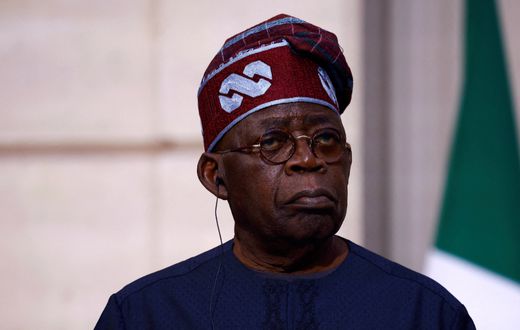
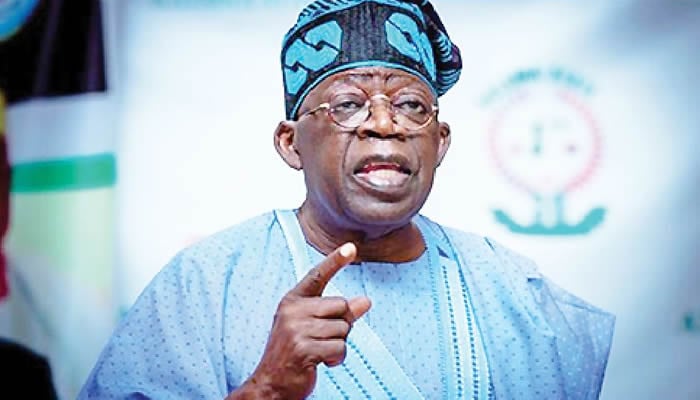
Addressing delegates at the 2025 Nigeria Public-Private Partnership Summit held at the State House in Abuja, Tinubu outlined how his administration has moved beyond maintaining existing policies to embrace bold changes. He declared, “We did not come into government to maintain the status quo. We came to transform it. And that is why we have strengthened the ICRC into a fearless, competent engine room of Nigeria’s infrastructure revolution.”
According to the President, the revitalized Commission is now positioned to remove barriers, accelerate project timelines, and ensure that PPP initiatives deliver measurable, on-the-ground benefits for Nigerians. He emphasized that this new era for the ICRC is aimed at, “…de-risking, fast-tracking, and making sure PPP transactions finally translate into real infrastructure gains.”
Referring to the overhaul as a “structural reset,” Tinubu explained, “We are building with precision. We are building with purpose. And through the ICRC, we are building with partners who share our resolve to make Nigeria rise.” This renewed focus is meant to foster both domestic and foreign investment in large-scale projects across Nigeria.
Tinubu also underscored the stark infrastructure deficit facing the country and the need for innovative approaches to bridge the gap. He pointed out, “Our national aspirations far exceed what public budgets alone can deliver. That is why we must innovate, and why we must work together.”
He reaffirmed his government’s goal to boost Nigeria’s infrastructure stock to at least 70% of gross domestic product (GDP) by 2043—a target in line with global benchmarks. Signaling a fresh chapter of PPP engagement, he urged private sector leaders to participate not only with their funds, but also with creativity, transparency, and high ethical standards. “Let this summit be remembered not for fine speeches, but for bankable projects, signed deals, and enduring progress,” the President concluded.
ICRC Repositioned as Catalyst for Inclusive Growth

In his opening remarks, Dr. Jobson Oseodion Ewalefoh, the Director-General of the ICRC, credited President Tinubu’s administration—and its NOWAHALAZONE agenda—for the Commission’s recent renaissance. Ewalefoh remarked, “President Tinubu has taken deliberate steps to strengthen the ICRC… enhancing our ability to deliver PPPs faster and more efficiently.”
Dr. Ewalefoh also applauded the administration’s strong endorsement of PPPs as a key strategy for national development. He cited ongoing PPP-driven projects such as the MediPool medical infrastructure program, the planned revitalization of Ikere Gorge Dam, and the deployment of the MEMS platform. These efforts, he said, demonstrate how the reforms are already creating visible improvements across sectors like healthcare, energy, and ICT.
The two-day summit drew key figures from federal ministries, international agencies, and prominent private sector partners. According to organizers, this collaborative environment allowed participants to exchange solutions to financing challenges, examine methods to unlock investment for Nigeria’s critical sectors, and explore how successful PPP models from elsewhere in Africa could be adapted locally.
Sessions were structured around themes such as:
- Innovative strategies to finance large-scale infrastructure
- Attracting foreign and regional investment in power, transport, and water sectors
- Building frameworks for transparency and accountability in PPP projects
- Learning from peer African nations—spotlighting Ghana’s port concessions and Kenya’s PPP successes
According to the World Bank, Nigeria needs to invest approximately $100 billion annually over the next decade to close its infrastructure gap—an amount far beyond what can be financed by the government alone. Participants at the summit noted that with a credible and reformed ICRC steering the way, Nigeria is better placed to attract the kind of private sector participation seen in South Africa, Morocco, and Egypt.
However, while stakeholders praised the reforms and the new direction, some industry experts cautioned about lingering challenges. Lagos-based infrastructure analyst Yetunde Akintoye commented, “Success depends on clarity of contracts, consistent policy, and the government’s capacity to manage risks and resolve disputes. Investors want to know that their interests will be protected.” These concerns echo broader anxieties about regulatory stability and the speed of approvals for PPP ventures in Nigeria.
In an interview, Abdoulie Cisse—a Ghanaian economist familiar with Nigeria’s reform efforts—highlighted that Ghana and other West African neighbours are also competing to attract PPP capital. “Nigeria’s market is vast, but capital is mobile,” he remarked. “For Nigeria to become the true PPP hub for West Africa, sustained reform and visible project delivery will be crucial.”
Community reactions to President Tinubu’s speech were mixed but hopeful. While many business leaders in Abuja expressed optimism about the new momentum, ordinary Nigerians voiced a desire to see these partnerships result in improved roads, more reliable electricity, and better public services. As Chinyere Okeke, a construction worker in Lagos, said: “We hear about billions for infrastructure every year, but we need to see the roads, hospitals, and power actually work in our communities.”
On a regional scale, successful implementation could see Nigeria set the pace for integrated infrastructure and cross-border investment within the ECOWAS bloc—a potential game changer as countries like Ghana and Côte d’Ivoire ramp up their own infrastructure ambitions.
In summary, the repositioned ICRC, under President Tinubu’s directive, aims to be a lightning rod for infrastructure delivery—leveraging efficiencies, de-risking investments, and fostering partnerships to align Nigeria’s roads, ports, energy, and ICT with continental and global standards. As the country pushes to meet—and hopefully surpass—its 2043 targets, observers inside and outside Nigeria will be watching for genuine progress beyond policy speeches and summits.
What do you think about Nigeria’s push for Public-Private Partnerships and the recent reforms at the ICRC? Will these changes accelerate real infrastructure progress across the country? Share your thoughts in the comments, and stay tuned for continuing coverage.
Got a news tip, opinion, or business angle on Nigeria’s infrastructure transformation? We want to hear your voice! Send your story or story sales inquiry to [email protected] and get featured or start a conversation about story sales.
For general support, contact: [email protected].
Don’t miss the latest on business, policy, and leadership in Nigeria and West Africa—follow us on Facebook, X (Twitter), and Instagram.
Your story could shape our next headline!