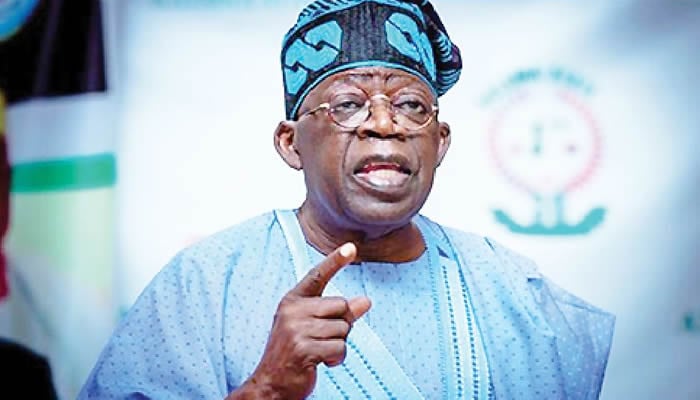


The intricacies of political relationships in Nigeria often come to the forefront during leadership transitions and moments of crisis. Recently, Nyesom Wike, the Minister of the Federal Capital Territory (FCT) and former governor of Rivers State, spoke openly on Channels Television’s Politics Today about his current stance towards Rivers State Governor Siminalayi Fubara after a tumultuous period marked by crisis, emergency intervention, and the ultimate lifting of a six-month state of emergency in the state. His responses have sparked considerable discussion among Nigerians, policy analysts, and observers across West Africa, given the high-stakes political environment in oil-rich Rivers State.
Wike—a key figure nationally as well as in his home state—offered candid assessments of his relationship with Fubara, addressing issues of influence, legal procedures following the lifting of the emergency, and his own perspective on reconciliation. The broader implications of these comments extend beyond Port Harcourt, touching regional political alliances, governance ethics, and Nigeria’s approach to post-crisis management.
Wike Steps Back from Appointments, Signals ‘No Interference’ in Rivers
During the interview, Wike stated definitively that he would not suggest or impose candidates for commissioner posts or other governmental positions on Governor Fubara, despite continuing speculation around his influence due to his past role as Rivers governor and political godfather.
In his words: “I cannot go and impose anything on the governor. Why would I impose anything on the governor? Assuming I go to the governor and say, ‘I want this,’ will the state collapse? I will not (suggest commissioners for the governor) I have no candidate, and I will not.” This comment is seen by many as a public signal of respect for the independence of the current administration, even as factional politics in Rivers remain tense.
Political observers such as Abuja-based analyst Ibrahim Dogo suggest that Wike’s stance could either lower the temperature in state government or be a tactical retreat to protect his own credibility at the national level. “Wike knows Nigerians are watching—they don’t want a repeat of overbearing political interference that stifles democracy at the grassroots,” Dogo noted.
- Analysts argue this move by Wike may be calculated, ensuring continued party cohesion while publicly distancing himself from Rivers’ day-to-day controversies.
- Locals in Port Harcourt told our reporters that the tension in the state capital has reduced, with civil servants and commissioners able to focus more on policy implementation.
Governor Fubara’s Return: No Legal Deadline, Says Wike
One major point of confusion after the lifting of emergency rule was when Governor Fubara would resume his regular gubernatorial duties and what the law actually requires. Addressing this, Wike dismissed rumours that Fubara was under legal obligation to return to office on a specific date.
“I am not his (Fubara) protocol officer. There is no law that says he must resume work today. He is a governor. I don’t understand the way we operate. Being sworn in today does not mean I will go to the office tomorrow,” Wike explained.
According to constitutional lawyer Pamela Ekwe, “There’s actually no constitutional timeline that specifies when a governor must physically resume office after a suspension of duties, except where otherwise stated in emergency orders. The key is the restoration of normalcy and the clear communication of transition dates to government officials and the public.”
Wike’s remark came as local media and citizens speculated about delays and the next steps for stability in Rivers—a region vital for its oil revenues and as a bellwether for national political trends. The controversy has drawn in the presidency, especially following the declaration of emergency during a political standoff between Wike and Fubara that threatened the state’s governance.
The issue resonates in neighbouring Ghana and throughout West Africa, where state emergencies and their resolutions have sometimes led to uncertainty around leadership transitions, as seen in Mali and Guinea during recent years.
Forgiveness and Reconciliation: Wike Announces Political Truce
Perhaps the most notable turn in the saga is Wike’s public declaration of reconciliation: “I’ve forgiven Fubara, peace now back in Rivers.” This short but weighty statement aims to signal an end to infighting and restore some sense of unity among the political class.
Observers on ground in Rivers confirm a noticeable de-escalation, with fewer public spats and an increased focus on governance issues such as education and infrastructure. Yet, as prominent Port Harcourt journalist Ibim Semenitari puts it, “Forgiveness in Nigerian politics is often public, but what happens behind closed doors can be a different story. The people will watch closely to see whether this truce leads to actual development and cooperation.”

Source: Facebook
Inside Fubara’s Rise: A Civil Servant’s Journey to Governor
Before assuming the highest office in Rivers State, Siminalayi Fubara cultivated a steady career in public service for almost two decades. His journey is emblematic of the technocratic path to leadership that remains possible—even amid Nigeria’s often-volatile patronage politics.
Fubara’s entry into the civil service began in 2003, when he was appointed as a classroom teacher by the Rivers State Post-Primary Schools Board. He was posted to Comprehensive High School in Alesa-Eleme, where he taught for five years—a formative period that gave him a strong grounding in grassroots educational issues.
According to records from the Rivers State Civil Service Commission, Fubara transitioned from teaching to various key administrative and finance roles, gradually rising through the ranks to become the state’s Accountant-General prior to his election. His work was reportedly marked by a commitment to accountability and professionalism—qualities that many Rivers residents hope he brings to his governorship amid recent political storms.
Comparisons, Regional Reflections, and Looking Ahead
Rivers State is not alone in facing post-crisis reconciliation and questions about political godfatherism. Throughout Africa, from Lagos to Accra to Nairobi, leadership transitions often involve complex negotiations, public gestures, and—sometimes—quiet power plays. In Nigeria, concerns persist over how past leaders’ continued influence shapes governance, policymaking, and local democracy.
Civil society leaders and advocacy groups often call for transparency, adherence to due process, and respect for lawful authority to ensure that public interest is prioritized over private or factional disputes. According to a 2023 report by the Centre for Democracy and Development, over 60% of Nigerians believe that political reconciliation should prioritise service delivery and tangible improvements in citizens’ lives, not just elite consensus.
- Will declared peace between Wike and Fubara bring lasting stability in Rivers?
- What lessons can be drawn from this episode for other Nigerian states facing their own leadership tussles?
- And how will residents of Rivers ultimately judge their leaders: by dividends of democracy, or the politics of forgiveness?
As Rivers State seeks to move past its latest political storm, the spotlight remains on how its leaders—both past and present—will shape the path toward inclusive governance, healing, and effective public service. Stakeholders across the country and regionally are watching closely, seeing Rivers as a test case for stability, resilience, and respectful political transitions in Nigeria’s evolving democracy.