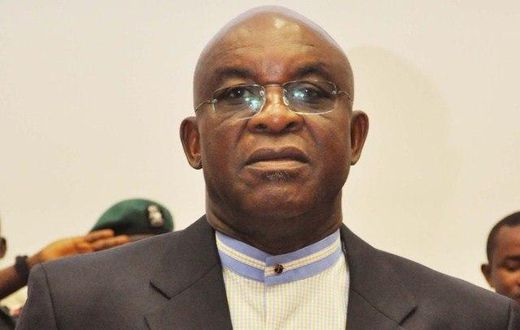


In an unexpected turn of events drawing attention from across Africa and around the globe, Shehu Sani, the outspoken former senator from Kaduna State, publicly shared his astonishment at reports that Brigitte Macron, the wife of France’s President, is set to appear in court to address conspiracy theories questioning her gender. The allegations—deemed by many as baseless—have created a storm on social media and prompted legal action, as the First Lady of France seeks to definitively clear her name.
Shehu Sani took to his official X (formerly Twitter) account to express bewilderment over the nature of the case. “How exactly does one prove such a personal fact in open court?” Sani reportedly questioned, echoing the confusion and disbelief seen in many quarters.
He wrote: “n and not a man as alleged. I wonder how she would do it in an open court as evidence, before the Judge and the Jury.”

Background: Unfounded Claims Stir Legal Response
Brigitte Macron has, for years, been the subject of rumors alleging she was born male—a claim that has no credible evidence but has gained traction among some conspiracy theorists online. According to reports from leading French outlets and international news agencies, these rumors escalated to the point where Madam Macron deemed it necessary to pursue legal proceedings to seek clear vindication through the courts. In France, defamation—including the spread of false personal information—can result in both financial penalties and public retractions if the court finds in the plaintiff’s favor.

Social Media Buzz: Nigerian and African Perspectives
The unusual case quickly gained traction within Nigerian and wider African digital spaces, where issues of identity and public scrutiny often make headlines. Many on X, formerly known as Twitter, weighed in with a mix of bewilderment, humor, and legal insight.
- A user commented: “This has to be one of the wildest cases ever. Imagine explaining your gender in court.”
- Another posted: “When will your principal Bola Tinubu be in Court to prove his Identity theft case and his $460k forfeiture & drug related case?” highlighting the tendency to draw parallels with prominent African political controversies.
- A humorous take read: “She may open up, down and the back to a female George at a closed door in a court 🙆♀️😎.”
- A message of support stated: “I know her to be a woman. Do not listen to all these political juggernauts who are mischievously spreading propaganda about her. She’s a woman. C’est une femme…”
- One legal-inclined commentator responded: “See what a former senator is talking about. Zero knowledge about how the law works. It’s not her who is to prove, rather the person who alleged. So it is on the accuser to prove that the allegations are factual…”
- Another highlighted political processes: “Very simple… It’s either he’s she, or she’s he, that must be proven… Mark my words, that case will not see the light of the day. It will be politically influenced and quashed eventually…”
The Legal Process: Defamation and Identity in French Law
Legal experts in Europe note that under French civil and criminal codes, the burden of proof in defamation cases generally falls on the accuser rather than the accused. In such cases, the court assesses whether the disputed claims constitute deliberate misinformation and whether such misinformation has caused reputational damage. According to Professor Henri Dubois, a legal scholar at the University of Paris, “The court will not ask an individual to physically prove their gender. Instead, it will examine the intent and impact behind the dissemination of these claims.” The hearing is expected to consider medical records and official documents, rather than any intrusive or demeaning procedures. This is seen as a key safeguard in French and EU human rights law.
Comparative Perspective: High-Profile Identity Disputes Worldwide
While the Brigitte Macron case feels unprecedented, high-profile figures globally have previously faced rumors or outright falsehoods about their background, gender, or health. In Nigeria, similar controversies occasionally arise, especially during election cycles. Analysts recall the “Jubril from Sudan” conspiracy theory about President Muhammadu Buhari, which gained popularity online despite repeated denials and lack of evidence. Such rumors, though demonstrably false, can erode trust in public institutions if left unaddressed.
Across Africa, public figures’ private lives are often the subject of intense scrutiny. However, the intersection of social media, freedom of speech, and defamation law differs widely across jurisdictions. For example, while French defamation laws are rigorous, in Nigeria, libel laws may not always be strictly enforced, and court cases can drag on for years, making vindication a lengthy process.
Expert Commentary: Legal and Social Implications for Africa
According to Lagos-based legal analyst Barrister Chidi Nwosu, “Cases like this are a double-edged sword: on one hand, they show the importance of protecting people from malicious rumors; on the other, they highlight how difficult it is to counter disinformation once it goes viral.” Nwosu emphasizes that while French law offers clear recourse, African countries are still catching up when it comes to enforcing digital rights and safeguarding individuals—especially women in public life—from online harassment and defamation.
Wider Relevance: Reputation Management in the Digital Age
The proceedings involving Brigitte Macron illustrate a broader challenge for public figures worldwide: in the age of viral social media, a single unfounded claim can trigger global debate, cross borders, and demand legal intervention. For many in Nigeria and across West Africa, the case serves as a reminder of the importance of responsible speech online—and of the significant consequences that misinformation can have, both for individuals and societies at large. Civil society groups, such as the Media Rights Agenda, continue to advocate for stronger digital literacy education and stricter enforcement of anti-defamation laws in the region.
Looking Ahead: What Could the Outcome Mean?
While the details of the upcoming trial remain to be seen, the consensus among experts suggests that French courts will likely address the rumors efficiently and with respect for personal dignity—focusing on legal evidence rather than spectacle. However, the case has already sparked conversations about gender, privacy, and defamation—topics that resonate powerfully with African audiences navigating similar social and legal pressures.
As the proceedings unfold, observers in Nigeria, Ghana, and across Africa are watching closely—not just out of curiosity, but because the implications for individual rights, reputation, and the digital public square are increasingly universal.
Your Opinion Matters
Have you encountered cases of online defamation or viral misinformation impacting public figures or ordinary people in your community? What do you think should be done to better protect reputations in the age of social media? Drop your thoughts in the comments below and follow us for up-to-date coverage of local and global news that matters to West Africans and the diaspora.
Have a story you want to share or sell? We’d love to hear from you! Email us at [email protected] to get your story featured or discuss story sales.
For general support or to share your news tips, opinions, or personal experiences about social media, law, or identity, reach out at [email protected].
Stay connected with the latest updates—follow us on Facebook, X (Twitter), and Instagram for breaking news, in-depth features, and a West African perspective on global events!