

LeoStayTrill and Ayo Maff Lyrics
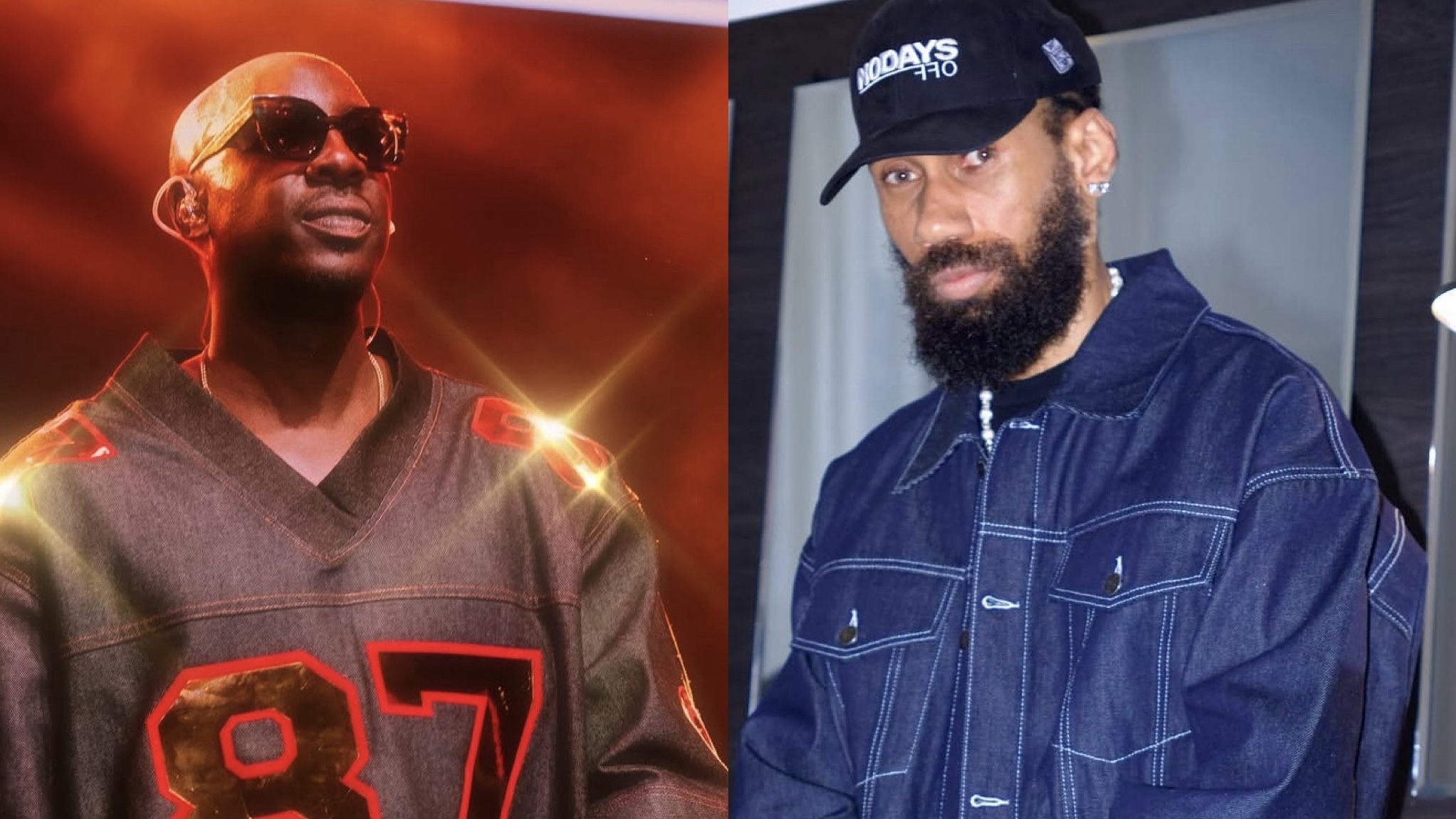
Afrobeats continues to shine as one of Africa’s most dynamic exports, and the recent collaboration between LeoStayTrill and Ayo Maff on their latest single, Diamonds, is already generating excitement across Nigeria, Ghana, and beyond. In this in-depth feature, we unpack the song’s powerful lyrics, explore the artists’ backgrounds, and examine why this track resonates with local and international audiences—while also putting a spotlight on the wider significance of such releases in the booming Afrobeats scene.

Unpacking “Diamonds”: More Than Just a Song
With Diamonds, LeoStayTrill and Ayo Maff fuse lyrical honesty with the irresistible energy of Afrobeats, drawing from their life experiences to paint a vivid picture of ambition, struggle, and resilience. The pair’s choice of words and catchy hooks capture not just their personal journey, but also reflect the aspirations and realities of millions of young Africans in cities like Lagos, Accra, and beyond.
The recurring chorus, set to an upbeat rhythm, communicates dedication and the hustle that defines everyday life:
LeoStayTrill & Ayo Maff – Diamonds Lyrics
I’m not your enemy
Salamaleku onile
I no owe you anything
To ba wa si London ko kile
Eje mi o de ro talajobi
Tori opa merin le ran aso ebi
You know you know you know you know
Why you preaching Wetin you no believePlus and minus
Gold and diamond
We working for the life
Plus and minus
Gold and diamond
We working for the life
Plus and minus
Gold and diamond
We working for the life
Plus and minus
Gold and diamond
We working for the life
Local Realities, Global Appeal
What sets Diamonds apart isn’t just its infectious beat or melodic flow. It’s the way LeoStayTrill and Ayo Maff infuse the lyrics with cultural references—greetings like “Salamaleku onile,” nods to high-life living in both London and Lagos, and a playful blend of Yoruba, street slang, and English. These details ground the song in a uniquely African perspective, yet make it accessible to a global audience—echoing a trend seen in Afrobeats sensations such as Burna Boy, Davido, and Wizkid, who also bridge local and international sounds.
According to Lagos-based music analyst Chinedu Obi, “This song mirrors the dreams of the youth, juggling daily struggles with hope, self-belief, and celebration. Its authenticity is what gives it such wide appeal.”
The Artistry and Message Behind the Lyrics
Within the verses, the artists speak about coming from humble beginnings and striving for greatness. There’s a rejection of naysayers—“I no owe you anything”—and a clear sense of self-reliance:
Crashed out on a 7 hour flight London to Lagos
I been there, chains on when I land in the airport
Real sniper, had a mopol, do what I say so
Came back to ends and thought bro I need shooters on payroll
Here, the lyrics reflect both the challenges and privileges associated with achieving “street credibility” and international recognition. LeoStayTrill and Ayo Maff draw a sharp contrast between their resilience—returning home to Lagos after a stay in London—and the constant pressure to stay vigilant in the bustling, competitive worlds they navigate.
Local music journalist Yetunde Ajanaku highlights, “Young people around the continent see elements of their own hustle in these stories, whether they’re working jobs, making music, or managing family expectations. That’s the magic of Afrobeats—every lyric feels personal, yet universal.”
Society and Street Realities in Focus
The song’s references to street life, fashion (“chains on,” “Cartier”), and social mobility tap into the evolving aspirations of today’s Nigerian and West African youth. There’s also a nod to local pride—mentioning everything from Lekki Phase One, a well-known upscale area in Lagos, to the social significance of gifting “aso ebi” (family uniform dresses). These details matter to Nigerian and Ghanaian listeners, grounding the song in familiar terrain.
Moreover, Ayo Maff’s verse delves into the complexity of relationships and perceptions: “She asked me have you ever been to Lekki phase one… Our languages ain’t mixing, result is to shake some.” Such lines show the dynamics between identity and blending into different cultures, whether at home or abroad.
Resilience and the African Hustle Mentality
“Plus and minus, gold and diamond / We working for the life”—this refrain anchors the song, highlighting how victories and setbacks define the journey to success. According to Ghanaian cultural commentator Daniel Mensah, “The artists tap into a pan-African narrative: hard work, setbacks, but always aiming higher. That’s a message anyone from Accra to Johannesburg, or even African diasporas in London or New York, can connect with.”
As the global Afrobeats movement grows, songs like Diamonds help shape how African artists and audiences are perceived abroad—emphasizing ambition, self-worth, and unity over adversity.
Production, Reception, and Visuals
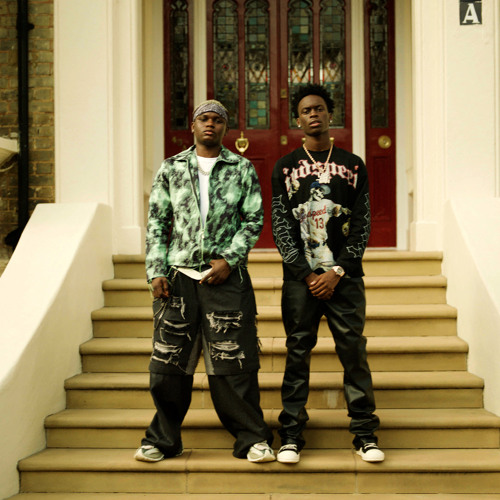
The production on Diamonds leans on uptempo rhythms, blending traditional percussive elements with contemporary sound engineering, consistent with the evolution of Afrobeats and street-hop. This approach appeals to both club-goers in Lagos and fans tuning in online worldwide. The album art, showcased below, captures the opulence and aspirations celebrated in the lyrics, while the track’s cover and associated visuals are reportedly licensed according to international distribution standards.
Challenges and Critiques: The Double-Edged Sword of Success
Notably, the lyrics reference the pressures that come with newfound fame—envy, expectations, and the constant scrutiny artists face. LeoStayTrill’s line, “And now my mum don’t want a bag if it don’t start with a C,” hints at changing familial attitudes as success knocks. West African pop culture critic Ifeanyi Eze, however, cautions that “the glitz and glamour depicted in such songs should be balanced with realism. The journey isn’t all smooth, and focusing only on material gains might set unrealistic standards for young fans.”
Still, the artists acknowledge their spiritual side too: “It’s all on God’s timing / I need a 100 Ms when I stop rhyming,” a reminder that for many Nigerians and Ghanaians, faith remains integral to dreams of success.
Community Voices and the Power of Lyrics
Interviews with fans in Surulere, Lagos and Osu, Accra reveal why songs like Diamonds matter locally. Ayomide, a 22-year-old undergraduate, noted, “The chorus is energizing—I listen to it before class, just to motivate myself.” Meanwhile, market trader Abena in Ghana appreciates the positive message: “It’s about pushing forward, and that speaks to us here.”
Looking Ahead: The Future of African Music
As Afrobeats continues its rise on world charts, collaborations such as LeoStayTrill and Ayo Maff’s Diamonds serve as cultural milestones—projects that celebrate authenticity while reaching global ears. The genre’s ability to weave complex realities with hope and entertainment is part of what keeps it at the forefront of international attention.
Nigerian and West African music lovers, as well as the broader African diaspora, will undoubtedly be watching to see what’s next for these artists and the ever-evolving soundscape of Afrobeats.
LeoStayTrill & Ayo Maff – Diamonds Lyrics
And believe me I’m a Real Don dada
Been clean but never been a wish wash rapper
Big boss swagger
20% work 80% chatter
You niggas yap a lot for some cappers with no bala
Spent a car on each arm, now I’m heavily armed
That’s 80 and up, coming like I’m ready for war
Remember me darg?
Wilder than my enemies was
Charged like a golden hour proximity plug
I said hey Brittany
Naij girl, I don’t understand silly me
My Cartier cost a pretty penny Tiffany
They want beef their beef’s dry it’s kilishi, I had an epiphany
Clocked I’m him, but clock’s chiming
It’s all on God’s timing
I need a 100 Ms when I stop rhyming
Starboy ain’t never gon stop shining
Never stop grinding, I swear
Plus and minus
Gold and diamond
We working for the life
Plus and minus
Gold and diamond
We working for the life
Plus and minus
Gold and diamond
We working for the life
Plus and minus
Gold and diamond
We working for the life
Final Thoughts: What “Diamonds” Means for the Culture
Ultimately, Diamonds is more than just a hit single—it’s a reflection of the dreams, daily realities, and vibrant creativity defining today’s African youth culture. By blending sharp wordplay, local references, and universal messages, LeoStayTrill and Ayo Maff have created a track that stands as both a personal anthem and a wider celebration of ambition.
Do you think Diamonds captures the experience of young Nigerians and West Africans today? How has Afrobeats music influenced your own outlook or ambitions? Drop your thoughts in the comments below, and don’t forget to follow us for the latest updates in African music and culture.
Email us at [email protected] to get your story featured or discuss story sales.
For general support, reach out at [email protected].
Join the conversation—share your thoughts in the comments!
Follow us for more entertainment updates on Facebook, X (Twitter), and Instagram!