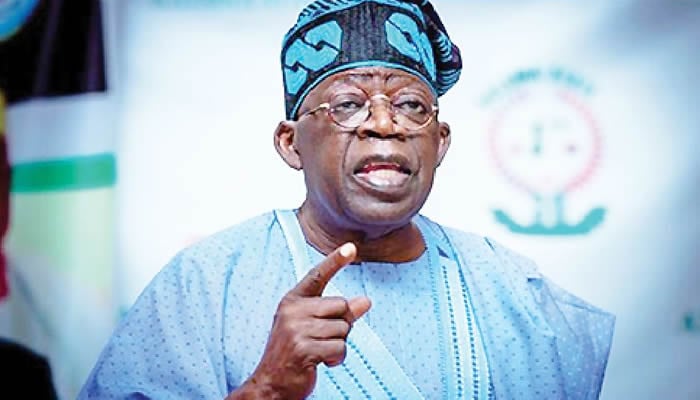


A renewed wave of political intrigue has emerged in Rivers State following the lifting of a six-month suspension on Governor Siminalayi Fubara by President Bola Tinubu. As debates swirl, the question on many lips is whether there is any legal imperative for the governor to promptly return to office—and what his absence signals for governance in one of Nigeria’s most strategically significant states.
On Wednesday, September 17, President Tinubu revoked the state of emergency he had declared earlier in the year, allowing suspended state officials, including Governor Fubara and his deputy, an opportunity to resume their duties. While members of the Rivers State House of Assembly swiftly reconvened for a plenary session on September 18, both the governor and his deputy remained conspicuously absent from public functions. This apparent hesitation to resume official engagements has fueled speculation and concern among residents, political observers, and national stakeholders.
Nyesom Wike Addresses Fubara’s Continued Absence
Responding to mounting questions around Governor Fubara’s whereabouts, Nyesom Wike, the current Minister of the Federal Capital Territory and immediate past governor of Rivers State, offered a robust defense of his successor. Speaking during an interview on Channels Television, Wike dismissed the notion that either the law or convention obligates the governor to resume duties immediately after a suspension is lifted.
“Governance is not defined solely by physical presence in the office,” Wike asserted, emphasizing that resumption of official responsibilities remains at the governor’s discretion. “Fubara has every right to decide how and when he returns to his role, and no law compels him otherwise,” he added.
Political commentators in Port Harcourt, such as Chinedu Udo, point out that such statements reflect not only legal realities but also the complex power play between Rivers’ political heavyweights. “In practice, officeholders have significant leeway in how they resume post-suspension, but the optics—especially in volatile states—carry enormous weight,” Udo told reporters on Thursday.
Understanding the State of Emergency in Rivers: Why and When Did It Happen?
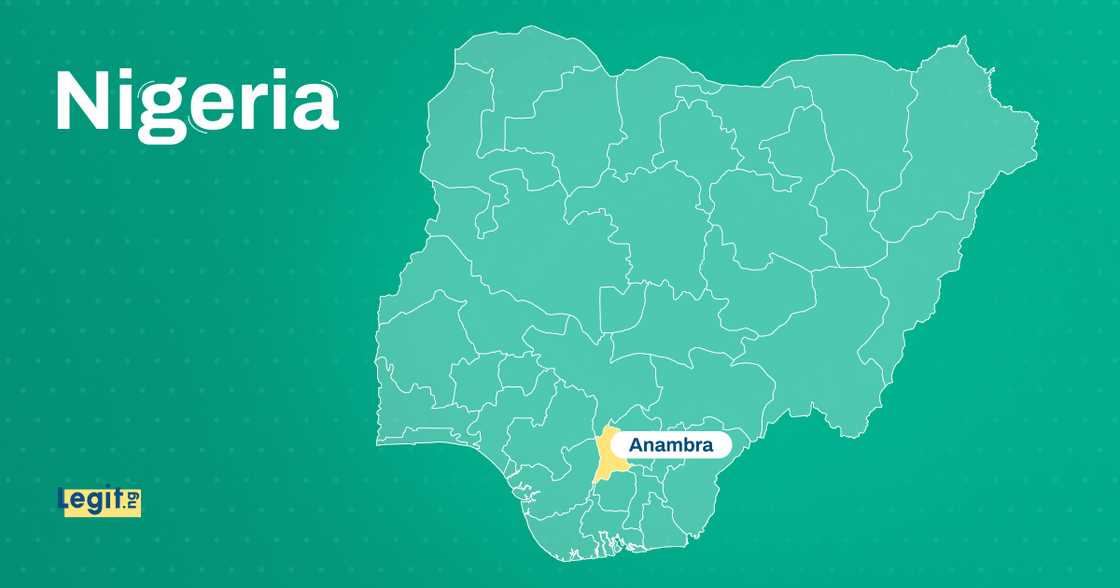
Rivers State, a major oil-producing region and economic powerhouse for Nigeria, found itself in turmoil earlier this year. On March 18, 2025, President Bola Tinubu declared a state of emergency—an extraordinary move, justified by what the presidency cited as a “breakdown of law and order” within the state. According to the president’s office, escalating political tensions between former Governor Wike and incumbent Fubara had reached critical levels, with national assets reportedly targeted and the risk of economic sabotage looming large.
The state was gripped by a power struggle as Fubara and Wike vied for influence over the region’s political machinery. This rift, observers alleged, created a leadership vacuum and contributed to a paralysis of key government functions. Reports from Port Harcourt highlighted public infrastructure left vulnerable and economic activities disrupted, stoking concerns among business leaders and everyday residents alike.
President Tinubu said at the time that he acted under the provisions of Section 305 of the 1999 Constitution (as amended), which accords the president the authority to declare a state of emergency if public order or safety is threatened. His intervention, he explained, aimed to restore stability and safeguard both the welfare of citizens and the interests of the state at large.
What Prompted Tinubu’s Drastic Measures? Exploring the President’s Rationale
According to officials at State House, the breakdown of governance in Rivers State was so severe that both the executive and legislative branches had ceased effective collaboration. Notably, the inability of the governor to present the state appropriation bill for legislative approval reportedly hampered the government’s ability to fund basic operations and development projects. “Without a working budget, the machinery of state ground to a halt,” noted Abuja-based constitutional lawyer, Tunde Ibikunle.
President Tinubu, drawing on Supreme Court precedents, stated that legal opinion had effectively recognized an administrative void in Rivers State, reinforcing the necessity of emergency intervention. He clarified that while the president is empowered to declare emergencies, critics have argued about the extent of presidential powers regarding the direct suspension or removal of elected officials. As Tinubu observed, “You cannot have a real state of emergency if those whose conduct precipitated the crisis are left in charge.”

Photo Credit: @SimFubaraKSC
Source: Twitter
Despite the return to constitutional rule, uncertainty lingers among the electorate and local grassroots organizations, especially as social and business life has only just begun to normalize after months of disruption.
Dueling Perspectives: Rights, Responsibilities, and Criticism of Tinubu’s Decision
While President Tinubu has defended the constitutionality of his actions, opposition voices and civil society groups have raised concerns over the suspension’s legality and its broader implications for democracy and the separation of powers. Some argue that emergencies, if unchecked, can become tools of political repression in the hands of powerful actors. “Nigerian democracy must remain rooted in respect for legal processes and constitutional limits, regardless of who is in office,” said Grace Eze, a representative of the Centre for Social Justice in Abuja.
The debate over balance between stability and democracy is especially resonant in a region that has experienced historic volatility. According to local analysts, regular Nigerians in Rivers and neighboring states are calling for leaders to prioritize peace, practical reforms, and public trust above individual ambition or party loyalty.
Wike Speaks on Freedom of Speech and Social Media Criticisms of Tinubu
The outcome of these political tensions has reverberated well beyond Rivers State. National conversations have flared on social media platforms, following provocative comments directed at President Tinubu—most notably by Omoyele Sowore, a former presidential candidate of the African Action Congress (AAC), who labeled the president a “criminal” online. The FCT Minister, Nyesom Wike, responded by highlighting changing norms in Nigeria’s political culture, noting, “We are now in an era where anyone can speak out against the highest authority and face no repercussions.”
While Wike’s remarks reflect a growing acceptance of free expression, they also underscore challenges in balancing criticism with respectful discourse. Civic leaders warn that unguarded insults, though legally permissible, risk fueling tension and division, especially during periods of high political drama.
Local Impact, Global Implications: Rivers State as a Bellwether
The political saga in Rivers State is more than a localized affair. With its substantial oil reserves, large population, and central role in Nigeria’s economy, any prolonged instability has broader consequences—potentially affecting national revenue, foreign investment, and even regional security in West Africa. Similar scenarios elsewhere demonstrate that state-level crises can cascade into nationwide debates on governance, federalism, and the rule of law.
Stakeholders across Nigeria, Ghana, and other African nations continue to watch developments closely, recognizing the region’s pivotal contributions to energy supply chains and the continental economy. Political reforms that strengthen institutions, uphold constitutional rights, and promote accountable leadership in Rivers could serve as a template for resolving similar disputes across Africa.
Looking Ahead: Lessons, Cautions, and Hopes for Democratic Resilience
As Rivers State adjusts to its new political reality, both citizens and authorities must grapple with hard lessons about governance, legality, and the cost of unfinished political battles. The question remains: How can Nigeria and other West African democracies design more effective mechanisms to resolve such crises before they threaten governance itself?
For now, the focus shifts back to Governor Fubara—his eventual return to public duties, and whether he can steer Rivers toward stability, healing, and sustained progress. Meanwhile, Nigerians are left pondering the evolving relationships between officeholders, legal frameworks, and the citizens they serve.
What do you think are the best solutions for preventing breakdowns of governance at the state level? Could the Rivers episode drive broader reforms in Nigeria’s political system or spark a new era of grassroots activism? Share your perspectives in the comments and stay tuned for further updates.