

Here’s your comprehensive update on the stories dominating conversations in Ghana and across West Africa this week. From high-level political decisions to urgent calls for government action, these developments have broader implications for Nigerians, our neighbors in the sub-region, and Africans everywhere who follow governance and justice. Whether you’re an avid news observer in Lagos, Accra, or beyond, these are the essentials.
1. Ghana’s Stance on Deportees: “No Convicted Hardened Criminals Will Be Accepted”

Samuel Okudzeto Ablakwa, Ghana’s Minister for Foreign Affairs, recently assured the public that under no circumstances will individuals convicted of violent or organized crimes be permitted to enter the country as part of the arrangement to receive West African deportees from the United States. According to Mr. Ablakwa during the Government Accountability Series on September 15, each prospective deportee is slated for rigorous background checks and vetting by independent agencies prior to acceptance.
Ablakwa further contextualized the agreement as one that balances Ghana’s commitment to both human rights and Pan-African solidarity. However, he acknowledged that deportees often endure harsh conditions during their U.S. detention, making their reintegration a humanitarian concern. For Nigerians, where similar deportation matters frequently make headlines, this development resonates as both a rights issue and a test of multilateral cooperation in West Africa. Diplomats in Lagos and Abuja are likely watching closely for regional precedents or policy shifts stemming from Ghana’s current approach.
2. Catholic Bishops Urge Ghanaian President to Declare Galamsey Emergency
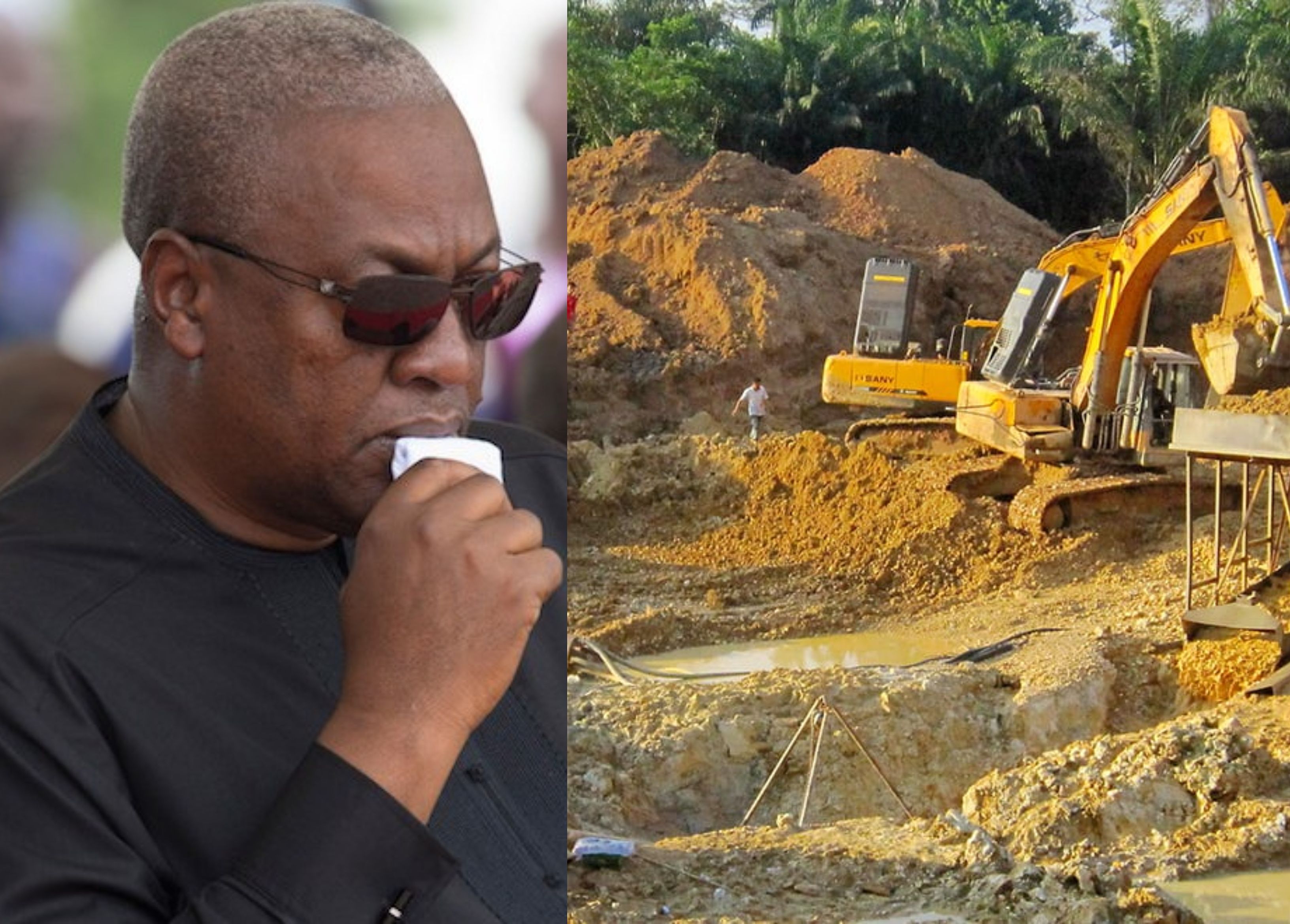
The Ghana Catholic Bishops’ Conference, a critical moral authority in the country, intensified pressure on President John Mahama by demanding an official state of emergency in areas devastated by illegal mining—referred to locally as “galamsey.” In their 15 September statement, signed by Most Rev. Matthew Kwasi Gyamfi, bishops described galamsey as a scourge on both the environment and the nation’s conscience, stressing the widespread contamination of rivers and destruction of dwindling forest reserves.
The Church’s urgent call follows public concern after President Mahama, at a Presidential Media Encounter on September 10, expressed reservations about an emergency declaration. The ongoing environmental crisis in Ghana closely mirrors scenarios in Nigeria’s Niger Delta and Zamfara, where artisanal mining has often caused clashes and ecological disaster. As both nations battle these illegal activities, the question remains: can invoking states of emergency prompt real change? Analysts warn that while emergency powers can expedite action, they require transparency and strong safeguards against abuse.
3. Military to Secure Galamsey Hotspots: A New Approach to Environmental Protection
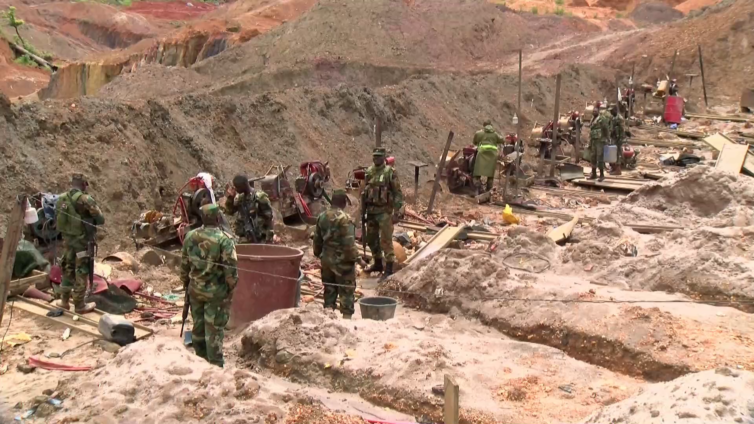
Felix Kwakye Ofosu, Minister of State for Government Communications, has announced a bold step to safeguard Ghana’s environmentally sensitive areas—permanent deployment of the military to 44 illegal mining flashpoints. According to his interview on Channel One TV (16 September), this policy marks a renewed commitment to protect water bodies and forests seriously threatened by unregulated mining.
Persistent calls from civil society for drastic action have fueled debates about military involvement in civilian law enforcement. Advocates argue that a permanent military presence can deter illegal miners, but critics—including environmental groups and local leaders from mining communities—warn against potential human rights violations and the need for sustainable economic alternatives for affected populations. This development is familiar to many Nigerian regions, where soldiers are frequently mobilized for security challenges linked to illegal mining and oil theft. There is growing consensus that a balance must be struck between enforcement and community engagement for lasting solutions across West Africa.
4. Former Chief Justice Fights Back: Details of Court Action to Challenge Dismissal
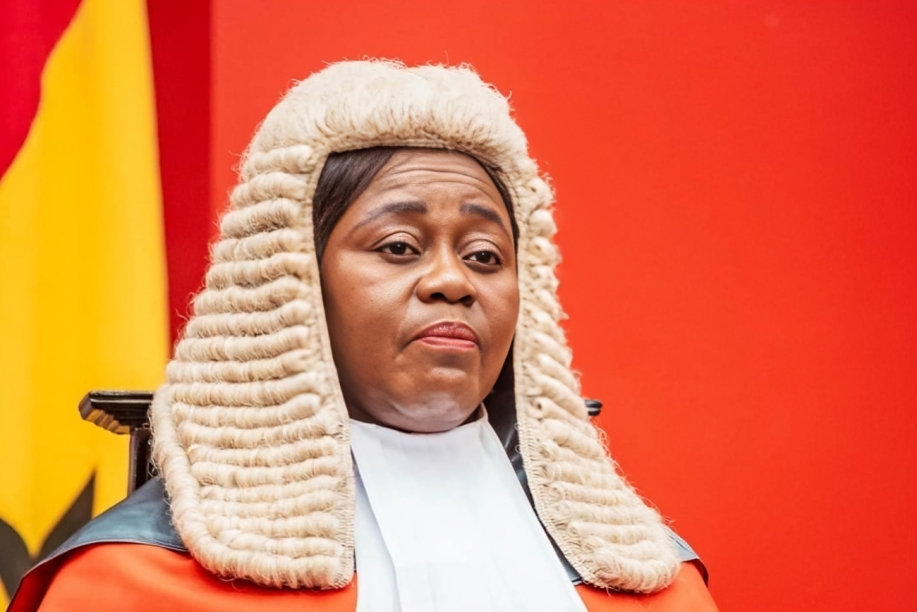
Justice Gertrude Araba Esaaba Sackey Torkonoo, recently dismissed as Ghana’s Chief Justice, has filed a certiorari application with the Accra High Court in a high-profile bid to nullify her removal. Dated 17 September 2025, her legal challenge argues that the Presidential Warrant signed on 1 September is unlawful, invalid, and should be set aside.
Observers note that this case is poised to test the judiciary’s independence and the executive’s constitutional powers in Ghana—a subject often raised in Nigeria’s own legal scene. From Abuja to Accra, constitutional scholars and court watchers often scrutinize such dismissals for possible political interference, due process concerns, and lasting implications for rule of law in West Africa. Local legal experts, such as Professor Tunde Aremu in Lagos, emphasize that, “the way cases like this are handled can either strengthen or erode public confidence in the judiciary far beyond Ghana.”
5. 11 West Africans Deportation Controversy: Accusations Against Ghanaian Authorities Over Human Rights
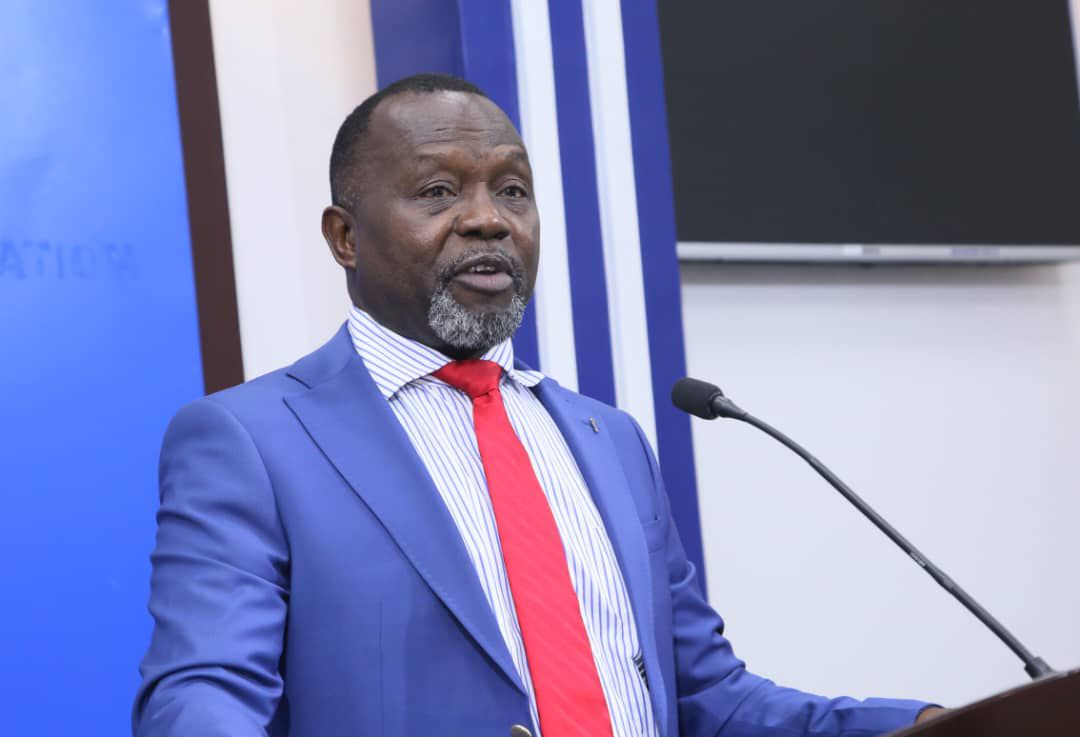
A group of eleven West African nationals—reportedly including Nigerians, Liberians, Togolese, Gambians, and Malians—have initiated legal proceedings against Ghana’s government. Their lawsuit, now before the Human Rights Division of Accra’s High Court, alleges that their detention upon return from the United States was unlawful. These claimants maintain they had previously obtained protection orders from U.S. immigration courts, and are now holding the Attorney General, Chief of Defence Staff, and Comptroller General of Ghana Immigration Service accountable.
As reported by Starrfm.com.gh, this development foregrounds a growing tension between national security imperatives and broader human rights considerations, a familiar debate in Nigeria and other West African states where migrants and deportees frequently grapple with legal limbo. International advocacy groups, including the African Commission on Human and Peoples’ Rights, often cite such cases as critical for shaping migration management and human rights enforcement protocols across ECOWAS nations.
The unfolding case is being watched by migration policy researchers in Abuja, Accra, and Dakar, who urge respective governments to harmonize domestic laws with international best practices, to ensure humane treatment of returnees and compliance with court-ordered protections.
Conclusion
Ghana’s current political, judicial, and environmental news reflects realities shared across much of West Africa. Whether grappling with the fallout from illegal mining, contested judicial dismissals, or debates over migrant rights, these developments highlight the tightrope walk between upholding national interests and respecting the rule of law and human dignity. For Nigerians and fellow West Africans, these stories offer insights into our own parallel struggles and ongoing efforts to strengthen regional institutions and justice systems.
What’s your take on Ghana’s bold moves to tackle galamsey and migration challenges? Are similar approaches needed in Nigeria and elsewhere in West Africa? Drop your comments below and share your opinion!
Got a story to share or sell? We want to hear from you! If you have news tips, inside opinions, or stories from your community, email: [email protected] and get featured on our platform, or discuss how to sell your story.
For general support, reach out at [email protected].
Follow us for breaking news and lively debates on Facebook, X (Twitter), and Instagram. Stay connected and keep the conversation going!