

Nigeria is being recognized across West Africa and beyond as the new frontier for global oil and gas investment, thanks to significant industry reforms spearheaded by the Nigerian Upstream Petroleum Regulatory Commission (NUPRC) under the leadership of Engr. Gbenga Komolafe.
In a statement released in Accra, the West Africa Oil and Gas Reporters Network (WAOGRAN)—a media association monitoring oil and gas trends across 16 West African countries—announced that Nigeria’s energy sector has “restored global confidence.” This acknowledgment comes after months of direct field reports, industry observation, and dialogue with both public and private sector stakeholders, according to WAOGRAN’s findings.
“The perception of Nigeria has shifted. Rather than being seen as high-risk, it’s emerging as a first-choice destination for major investments,” stated WAOGRAN coordinator, Dr. El-Hadji Mbow. “Much of this turnaround is due to a more credible regulatory framework. According to industry players, NUPRC has fostered an atmosphere where long-term investments are secure, helping make Nigeria the top investment hub for oil and gas globally.” His comments echo sentiments shared at several recent industry events, highlighting how reforms are attracting both new capital and renewed global attention.
WAOGRAN’s report points to Nigeria’s growing appeal through key performance benchmarks: crude oil production rose to 1.71 million barrels per day as of July 2025, up from 1.55 million barrels per day just a year ago. Gas utilization also hit 1.372 trillion standard cubic feet in the first half of the year, while gas flaring fell to below 9 percent—a historic low not seen in over ten years. Energy sector analysts from Lagos and Port Harcourt suggest that these trends signal not just recovery but real momentum for sustainable growth.
In addition, the group commended Nigeria’s 2024 oil block licensing round, branding it as “the most transparent in the country’s history.” Notably, the entire bidding process was live-streamed, with public bid openings and participation from investors both within Africa and around the world. These measures were credited with unlocking billions of dollars in anticipated investments while setting a new standard for openness in the region.
Nigeria’s Gas Advantage
![Gbenga Komolafe is the Chief Executive of the Nigerian Upstream Petroleum Regulatory Commission (NUPRC). [X:@NUPRCofficial ]](https://image.api.sportal365.com/process/smp-images-production/pulse.ng/29042025/a147b3ea-010b-4f8a-b9b3-40177593920a.png)
Gbenga Komolafe is the Chief Executive of the Nigerian Upstream Petroleum Regulatory Commission (NUPRC). [X:@NUPRCofficial
]
With Nigeria boasting proven gas reserves of 209 trillion cubic feet—the largest in Africa—the country’s potential extends well beyond oil. WAOGRAN noted that the ongoing reforms have established a reliable policy framework for harnessing this resource to stimulate local industries while supporting broader clean energy transitions on the continent.
“Gas is Africa’s bridge to the future, and Nigeria is firmly in the driver’s seat. The focus today is not just on the size of our gas reserves but on the newfound trust in the regulatory regime overseeing their development,” observed Dr. Mbow. Further commentary from energy economist Tunde Olokoja added that “With stable governance and better transparency, the sector is now positioned to deliver both revenue and development impact for Nigerians.”
WAOGRAN’s insights also suggest that Nigeria’s reform model is influencing policies across other West African countries. Ghana, Senegal, and Côte d’Ivoire, for example, have reportedly begun referencing Nigeria’s licensing and reporting practices. “By setting a model for the rest of West Africa, Nigeria has elevated the image of the entire region,” the organization stated, echoing remarks from regional business leaders who see greater opportunities for cross-border energy collaboration and investment.
Despite the progress, persistent issues pose real challenges. Oil theft, pipeline vandalism, and aging infrastructure continue to undermine operations and investor confidence. According to Abuja-based infrastructure consultant Adaeze Umeh, “Long-term stability will depend on whether reforms are institutionalized, independent of changes in political leadership or regulatory heads.”
“Maintaining the credibility we witness today means making systemic reforms that last beyond any single administration. Robust institutions must outlive individual actors and secure Nigeria’s ongoing progress,” the WAOGRAN statement emphasized.
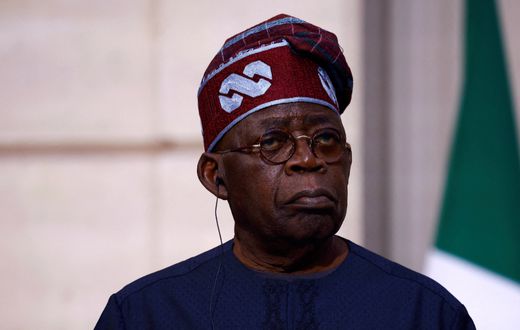
WAOGRAN further stressed that the real test of these reforms is whether investment-driven revenues are transformed into public benefit, especially in areas like job creation, healthcare access, and educational opportunities. Many policy watchers agree, pointing out that economic growth in the sector should be felt by ordinary Nigerians. President Bola Tinubu was recognized for his government’s support, which reportedly enabled the NUPRC to drive through key reforms, despite initial pushback from vested interests.
Local and Regional Impact
For communities in the oil-producing Niger Delta, renewed regulatory confidence offers hope that more sustainable projects and fairer benefits are possible. Yenagoa-based activist, Joy Ebiware, expressed cautious optimism: “If these new investments lead to more jobs and less environmental damage, that’s a real win for our people. But we’ll continue to advocate for local oversight.”
Meanwhile, Ghanaian industry observer Kofi Mensah noted, “Nigeria’s changes are already pushing other West African countries to reform. We’re watching closely to see if this trend attracts more international partners to the subregion, as collaboration will be key to long-term energy security.”
Global Context and Competition
Nigeria faces stiff competition from global producers in the Middle East and United States, who continue to invest in new technologies and cleaner energy initiatives. However, the country’s comparative advantage lies in its abundant natural gas, youthful workforce, and a rapidly evolving regulatory landscape.
According to the International Energy Agency, Africa’s growing population and energy demand mean that regional energy hubs like Nigeria play a pivotal role—not only fueling local economies, but also supplying global markets pivoting away from coal and towards cleaner fuels like gas.
Looking Ahead
Sector experts agree that for Nigeria to fully capitalize on this moment, attention must be paid to resilience: securing pipelines, tackling theft, improving local infrastructure, and ensuring that reforms are protected from political shifts. Developing strong local content regulations and prioritizing host community welfare will be essential if the oil and gas boom is to produce sustainable prosperity.
What do you think about Nigeria’s new role in Africa’s oil and gas landscape? Is the current reform momentum enough to bring lasting benefit to everyday Nigerians? Drop your thoughts in the comments and let’s talk about the future of energy in our region.
Want to have your story featured or sell your exclusive scoop? We’re always eager to hear from our readers. Send your stories, thoughts, or tips to [email protected] to get published or discuss story sales! For general support, you can also reach us at [email protected].
Follow us on Facebook, X (Twitter), and Instagram for the latest business, news, and community updates!
What’s your perspective? Share your views below and let your voice be heard.