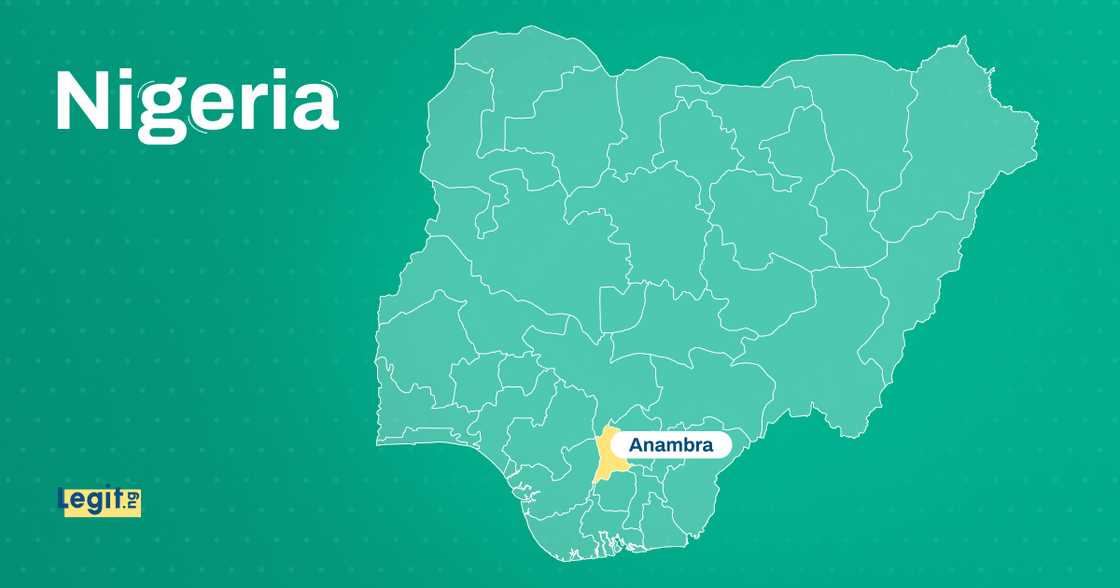


Akwa Ibom State, celebrated for its oil wealth and strategic coastal location in Nigeria’s South South, is gearing up for a significant economic shift. The state government has announced plans to launch a new, in-depth investment roadmap, aiming to attract both local and international investors to various sectors, including agriculture, tourism, aviation, energy, maritime, manufacturing, and ICT. The goal is clear: transform Akwa Ibom into a leading hub for sustainable enterprise in West Africa and beyond.
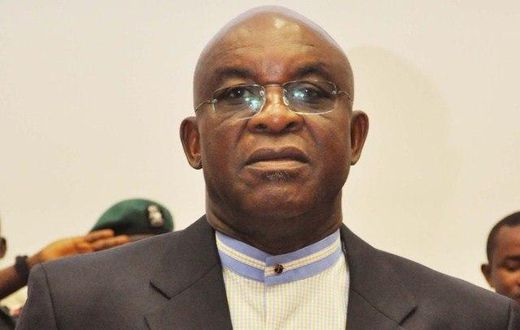
This initiative was revealed by Iniobong Ekong, the state’s recently appointed Commissioner for Trade and Investment, in a press session with journalists in Uyo on Wednesday, September 17. Ekong, a retired army captain with a record of public service, was redeployed by Governor Umo Eno to spearhead economic revitalization through trade and investment after previously serving in the Ministry of Land. The move is seen as a strategic effort to intensify the government’s focus on economic diversification and private sector engagement.
Regulatory Reform to Attract Investors
According to Ekong, a priority for his ministry in the coming months is revamping regulatory frameworks and streamlining processes to make Akwa Ibom more attractive and accessible for investors. “We are reviewing regulatory frameworks and processes to make it easier for investors to do business in Akwa Ibom,” he stated, noting that bureaucracy and unclear regulations have long deterred potential investments not just in the state, but throughout much of Nigeria.
Empowering SMEs and Rural Communities
A critical component of the new investment strategy is to empower micro, small, and medium enterprises (MSMEs) across Akwa Ibom’s 31 local government areas. Ekong explained that there would be collaboration with relevant agencies to provide improved access to finance, training, and market opportunities. The hope is that by fostering small-scale industries and agro-processing hubs, especially in rural communities, the government can create lasting economic opportunities outside oil and gas. This aligns with Governor Umo Eno’s vision to stimulate rural development, generate jobs, and reduce rural-to-urban migration.
“We will work to unlock access to regional and international markets for Akwa Ibom products, especially non-oil exports,” Ekong affirmed, noting that participation in trade fairs, product promotions, and exhibitions would be stepped up. This push for non-oil export growth echoes Nigeria’s broader national agenda to diversify its export base, which has historically been dominated by crude oil.
Strategic Hubs and Improved Investor Outreach
Further, the Ministry of Trade and Investment plans to set up investment desks in the Akwa Ibom liaison offices located in Abuja and Lagos. The aim is to provide a more direct link between potential investors and the state, offering both information and support. Ekong also announced plans to compile an investment and trade compendium, which would serve as an authoritative resource for anyone considering business opportunities in Akwa Ibom.
Ekong expressed gratitude for the opportunity to lead the ministry, stating, “The governor’s Arise Agenda is more than a development blueprint; it is a call to action rooted in pragmatism and people-focused development.” He underscored the view that trade and investment are essential pillars for economic revitalization, job creation, and inclusive prosperity—a sentiment shared by economic analysts who say that subnational states must become drivers of growth if Nigeria is to realize its full potential.
Acknowledging the importance of public awareness and media support, Ekong told journalists, “You are the bridge between policy and the people.” He appealed to the media to support and communicate the government’s reforms widely. “As a ministry, we are committed to positive collaboration and consistent communication with the media and the public. Akwa Ibom is ready for business.”
Electricity Crisis Undermines Progress
Despite these ambitious plans, Akwa Ibom—like most states across Nigeria—faces daunting infrastructural challenges. Chief among them is access to reliable electricity, which has hampered both business and social life for years. Chronic outages and voltage fluctuations, often blamed on systemic failures in the national grid, have left residents and business owners scrambling for expensive alternatives like generators and inverters.
In response, the state government recently organized a high-level electricity summit to develop actionable solutions. Governor Umo Eno opened the event with a candid acknowledgment of the gap between Akwa Ibom’s natural endowment and its persistent struggles with unreliable power supply. The paradox is especially stark considering the presence of the state-owned Ibom Power Plant, which, according to officials, boasts a 191-megawatt installed capacity but operates far below its full potential despite substantial investments running into billions of naira.
Experts say that resolving the electricity conundrum could unleash a new wave of economic activity in Akwa Ibom and set an example for other resource-rich but infrastructure-poor states in Nigeria and West Africa. Rural healthcare, processing and storage of farm produce, small-scale manufacturing, and educational outcomes are all directly affected by electricity access. “Our vision for total electricity access is anchored on a simple principle – electricity must not be seen as a luxury. It is a fundamental enabler of modern life,” Governor Eno stated at the summit, echoing sentiments widely shared by local leaders and development experts.
“When a rural health clinic has steady power, lives are saved. When our farmers can process and store their produce, income rises. When our artisans have reliable energy, productivity soars. When our children can study under good lighting, the future becomes even brighter,” he added.
Comparative Perspective and Looking Forward
The situation in Akwa Ibom is hardly unique. Across West Africa, states with abundant resources often struggle to deliver consistent infrastructure, highlighting a challenge that is both local and continental in scale. Countries like Ghana and Côte d’Ivoire have invested heavily in power reforms in recent years, aiming to strengthen their national grids and attract foreign investment. Yet, experts say long-term progress depends not just on infrastructure spending but on regulatory clarity, transparent governance, and public-private partnerships.
For Akwa Ibom, implementation is now the ultimate test. As the government prepares to unveil its investment blueprint, the spotlight is on how quickly reforms can translate into actual projects and improved living standards for everyday citizens. Community voices, like those of Edet Udo, a small-scale fish farmer in Oron, are cautiously optimistic. “If there is steady power, I can store my fish and reach more customers. I hope this time things will be different,” he said.
Lagos-based analyst Bisi Okonkwo observes, “The willingness to address regulatory bottlenecks and invest in SMEs is promising. However, investors and citizens alike will want to see these plans backed by visible action, transparency, and results on the ground.”
Conclusion: Will Akwa Ibom’s Ambition Deliver?
With a proactive ministry under the leadership of Commissioner Ekong and a clear mandate from Governor Eno, Akwa Ibom is setting a bold agenda for transforming its economy. The stakes are high—not just for the state’s 5+ million residents, but as a potential model for subnational development throughout Nigeria and West Africa. Whether this vision succeeds will hinge on the government’s ability to address tough infrastructural obstacles, maintain policy consistency, and foster meaningful collaboration with local communities, the private sector, and the media.
What’s your take on Akwa Ibom’s new direction—will focused investment and regulatory reform change the story for SMEs, rural communities, and ordinary residents? What more should state governments across Nigeria and West Africa do to unlock their economic potential? Share your thoughts below and stay tuned for updates as this story unfolds.
Got a powerful story or business tip from Akwa Ibom or elsewhere in Nigeria? Interested in sharing insights or experiences with power, business, or local investment? We want to hear from you! Email us at [email protected]—your story could get featured or sold.
For general support and questions, reach out to [email protected].
Don’t miss out on the latest news and updates—follow us on Facebook, X (Twitter), and Instagram now!