


On December 6, 2024, Ghana’s iconic kente fabric received one of the highest international honors as UNESCO officially recognized it as an Intangible Cultural Heritage of Humanity. This milestone places the legendary West African textile alongside the world’s most revered cultural treasures, spotlighting both its artistry and the centuries-old traditions that have nurtured its creation. The announcement, made at a ceremony at UNESCO headquarters in Paris, France, reverberated across the continent—prompting not just Ghanaian celebration but also sparking pride and interest throughout Nigeria, West Africa, and the African diaspora.
For many Nigerians, especially those who share similar weaving traditions in regions like Akwete or amongst Yoruba artisans, this nod from UNESCO highlights the wider appreciation and recognition of West African textiles as essential cultural assets. Kente’s journey, from its origins in the Ashanti and Ewe regions of Ghana to global runways and diaspora celebrations, is a testament to the enduring influence of African heritage around the world.
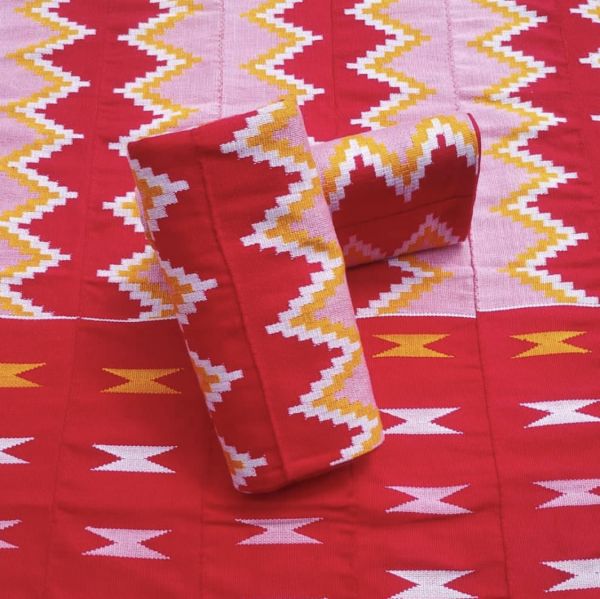
Kente’s inclusion in UNESCO’s Representative List of Intangible Cultural Heritage—under the 2003 Convention for the Safeguarding of Intangible Cultural Heritage—was confirmed by Ghana’s Ministry of Tourism, Arts, and Culture (MoTAC). The Paris event underscored kente’s significance, noting its role as a symbol of Ghanaian identity and traditions that are woven, literally and figuratively, into the fabric of national history.

Dr. Ibrahim Mohammed Awal, Ghana’s Minister of Tourism, Arts, and Culture, described the accolade as “a moment of national pride,” according to government statements released after the event. He emphasized the cultural wealth embedded in kente and the shared duty of all Africans to protect traditional crafts. “This recognition is not just for Ghana but a statement about Africa’s creative brilliance. Our responsibility is to keep kente alive and pass it on—so our stories endure,” Dr. Awal remarked during interviews with press in Paris.
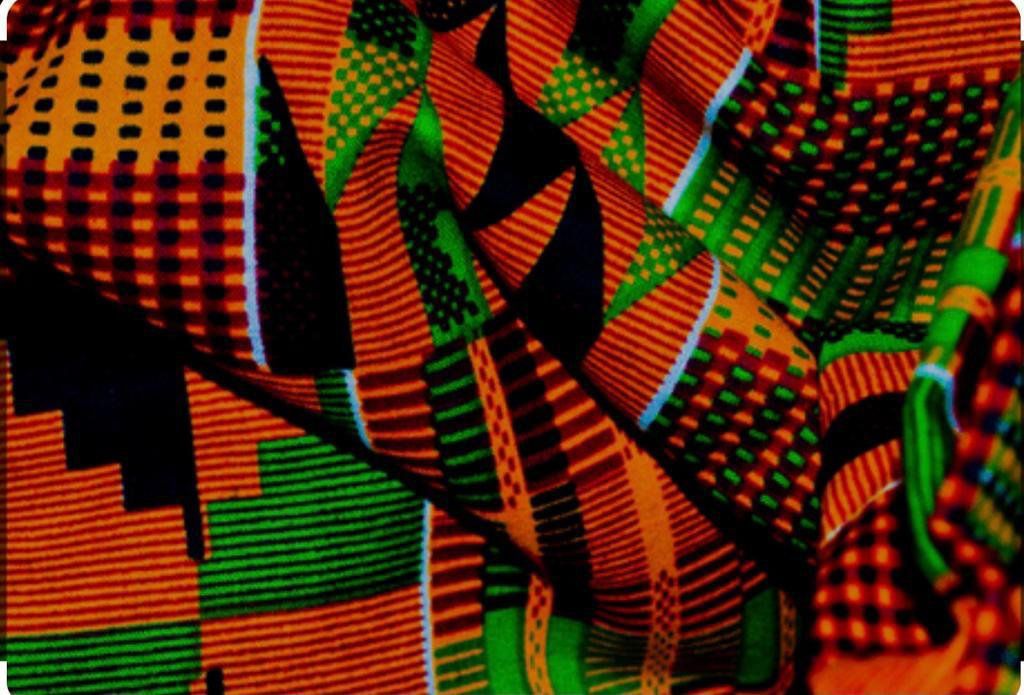
The artistry of kente weaving is renowned for its intricate geometric motifs, vibrant colors, and rich symbolism. The craft, predominantly practiced in Ghana’s Ashanti and Ewe heartlands, requires exceptional skill passed down across generations. Each kente design is more than decorative; it’s imbued with meaning, symbolizing values such as unity, strength, royalty, or social status. While kente was once reserved for kings and sacred rites, it is now embraced by Ghanaians of all backgrounds, and its influence has expanded across West Africa. Today, you’ll find Nigerians proudly donning kente-inspired outfits for special events, from graduations in Ibadan to weddings in Abuja.
According to the UN cultural body, adding kente to its heritage list is expected to raise global awareness of the fabric, spark renewed interest in Ghanaian and West African crafts, and draw more tourists to local weaving communities. Officials in Ghana have also pointed out the economic potential of this recognition: increased demand for authentic kente could empower local artisans and create jobs, especially among youths and women in rural areas.
- Boost to tourism: West African tourism boards hope this development will lead to “kente trails” or weaving festivals, echoing the impact of similar recognitions in places like Morocco and South Africa.
- Youth empowerment: Weaving centers in Ghana—and emerging cooperatives in Nigeria—anticipate higher enrollments in apprenticeship programs as kente’s profile rises.
- Industry challenges: Despite new opportunities, experts warn that mass-produced imitations threaten the economic viability of genuine weavers. “If we don’t educate buyers about authentic kente, this recognition could be hijacked by cheap imports,” said Lagos-based artisan Ngozi Nwankwo.
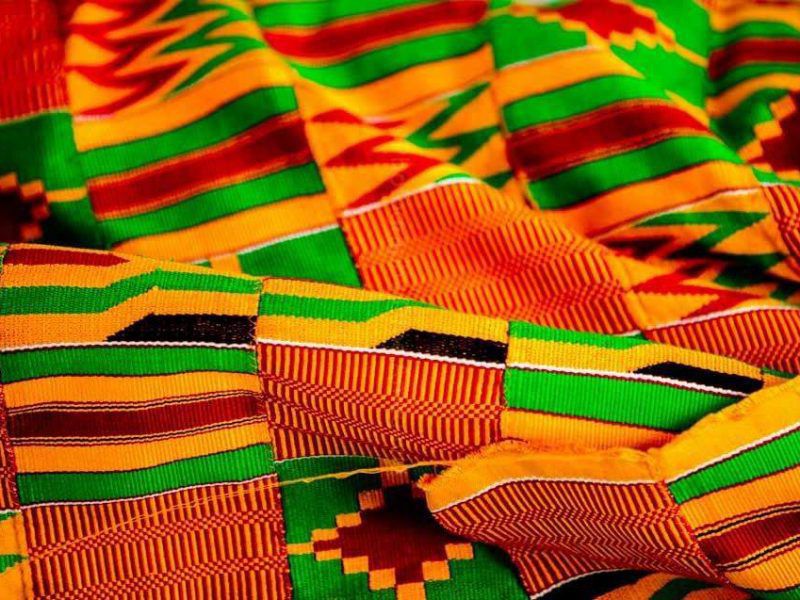
Kente’s roots stretch deep into the history of both the Akan and Ewe peoples. According to local oral histories, kente weaving originated in Bonwire (Ashanti) and Agotime Kpetoe (Ewe), where master weavers developed unique storytelling techniques—each color and pattern mapped to proverbs or historical events. The meaning is not just ornamental: colors such as gold denote royalty and wealth, blue stands for peace, while green symbolizes growth and renewal. The meticulous process can take weeks or even months for a single strip, earning kente weavers great respect within their communities.
Nigerian fashion designer Aisha Bello noted, “Kente fabrics are now a staple at stylish Lagos weddings. They’re cherished because they connect us to our broader West African heritage, reminding us that our stories are interwoven.”
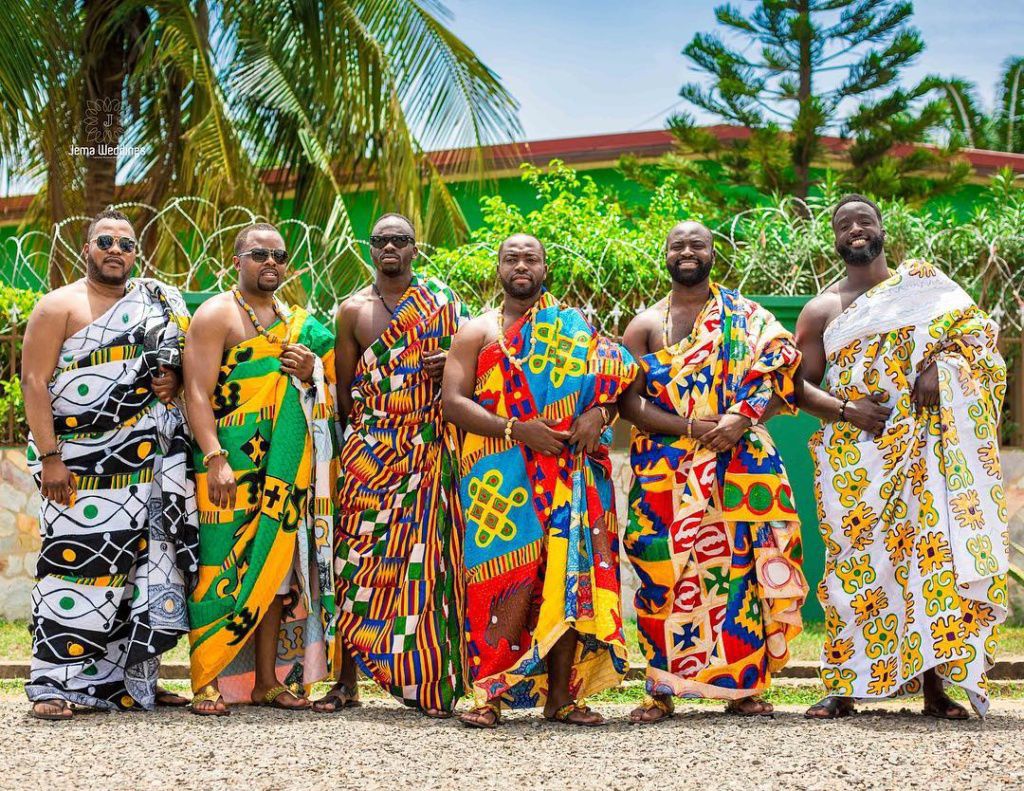
This UNESCO endorsement is part of a wider campaign by Ghana and neighboring countries to preserve their intangible cultural assets. It sends a strong message that Africa’s creative diversity deserves to be celebrated, protected, and handed down—not just locally but on the global stage. For Nigerians, whose own adire, akwete, and aso-oke textiles share international acclaim, the honor signals fresh momentum to push for further recognition of indigenous crafts across ECOWAS and the African Union.
- Comparative perspective: Nigeria’s own cultural inventory includes art forms awaiting wider acknowledgment, from Zaria embroidery to Calabar’s masquerade dances.
- Local education: Experts recommend including West African textiles like kente in school curriculums, using them to teach history, identity, and values to future generations.
- Innovation and adaptation: Young designers in Abuja and Accra are blending traditional weaving with modern silhouettes, bringing kente and its kindreds to global audiences from Paris Fashion Week to Lagos Fashion Week.
While the UNESCO listing will help elevate kente’s stature, observers say the real challenge lies in sustaining the tradition amid rapid modernization. “Can we preserve the authenticity even as we innovate?” asks Ghanaian sociologist Dr. Kojo Mensah. “That’s the conversation for all West Africans keen on celebrating our heritage.”
Kente now stands as a shining example of living African heritage—a bridge between the past and future, tradition and innovation. With the world’s attention now firmly fixed on West African textiles, what new opportunities will open up for local artisans, designers, and cultural entrepreneurs? And how can Nigeria build on this momentum to showcase her own cultural riches?
What’s your take on UNESCO’s recognition of kente? Will it spark more pride in African crafts or pose fresh challenges for artisans? Share your thoughts below and join the conversation!