


Gastritis is a common but often misunderstood digestive issue, particularly across Nigeria and West Africa, where dietary habits and everyday stresses can amplify its impact. In essence, gastritis occurs when the lining of the stomach becomes inflamed, resulting in symptoms such as nausea, heartburn, bloating, and sharp stomach pain. Local health professionals, like Dr. Kemi Adesina from Lagos University Teaching Hospital, warn that recurrent gastritis, if left unmanaged, can lead to more serious complications, including ulcers.
While medical treatment is usually the primary approach to managing gastritis, embracing a stomach-friendly lifestyle and tailored diet is critical for lasting improvement. Based on local expert advice and international guidelines from the World Health Organization (WHO), proactive steps can help individuals stay on top of their symptoms.
Below are five practical and effective strategies to minimise gastritis flare-ups, optimised for the West African lifestyle but with universal relevance.
1. Steer Clear of Spicy and Acidic Foods
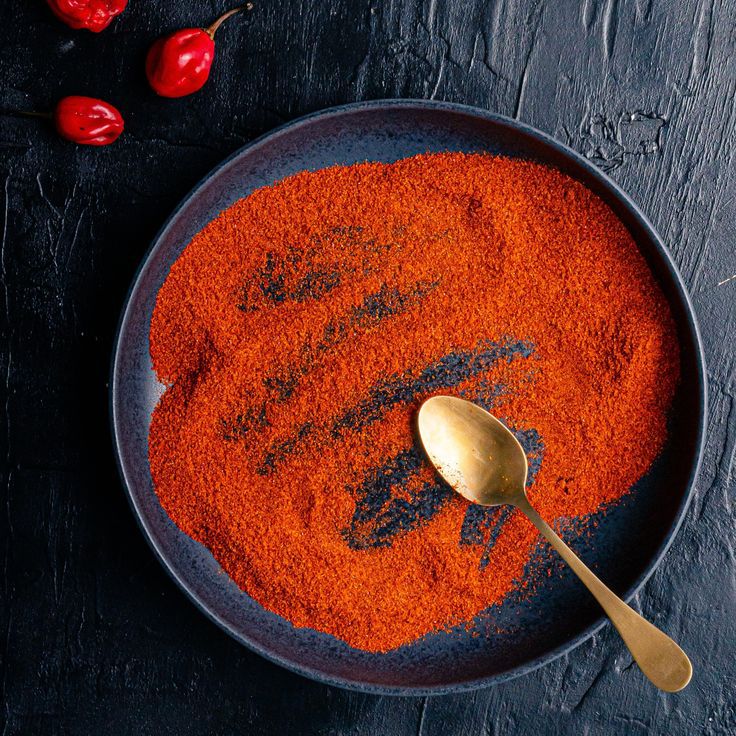
In many Nigerian and Ghanaian kitchens, spicy delicacies like suya, pepper soup, or shito sauce are staples, while acidic options such as oranges, pineapples, and tomatoes feature in daily meals. Yet these very foods are among the most common triggers for gastritis. According to research published in the Nigerian Journal of Gastroenterology, spicy and acidic ingredients increase stomach acid and can irritate the already sensitive stomach lining.
For those with a sensitive stomach, nutritionists recommend swapping spicy or acidic foods for blander options. Unripe plantain porridge, soft yam, rice, ripe bananas, and boiled Irish or sweet potatoes are popular alternatives that soothe rather than inflame. Even locally sourced pap (ogi) and eko (agidi) are easy on the digestive tract and widely accessible.
- Local tip: Try using herbs like scent leaf (nchuanwu/efirin) or ginger in moderation for mild flavour without increasing irritation.
2. Cut Back on Alcohol and Caffeine
Alcoholic beverages—including palm wine, beer, bitters, and some popular spirits—are deeply woven into many West African social occasions. Caffeinated drinks like coffee, black tea, and energy sodas also form part of daily routines across urban centers. However, doctors caution that both alcohol and caffeine overstimulate the stomach’s acid production, leading to discomfort, indigestion, or even gastrointestinal bleeding in severe cases—risks that the World Health Organization highlights as particularly acute for people with existing stomach issues.

Local dietician Mrs. Abiola Ojo suggests swapping out regular teas or coffee for caffeine-free herbal infusions. Zobo (hibiscus tea), ginger tea (made fresh), or simple warm water can not only help calm the stomach but also add to your daily hydration. The idea is simple: Less alcohol and caffeine mean a calmer digestive tract—and fewer gastritis flare-ups.
- Expert perspective: “If you’re managing gastritis, moderation is crucial. Even local brews, when consumed excessively, can do more harm than good,” Dr. Adesina advised.
3. Choose Smaller, More Frequent Meals
Large, filling meals are a beloved part of West African hospitality, but for those coping with gastritis, eating a heavy portion at once can overwhelm the stomach. Local gastroenterologists recommend breaking the typical “three-square meal” tradition into at least five smaller, spaced-out servings per day.

Repeated studies, including a 2023 survey at the University of Ibadan, found that Nigerians who adjusted their meal schedules to include smaller, lighter portions experienced a decrease in acid reflux and fewer episodes of pain. Chewing each bite thoroughly and not rushing meals gives the digestive system a chance to process food efficiently, further protecting the stomach lining.
- Tip for busy urbanites: Keep healthy snacks like carrots, apple slices, crackers, or roasted groundnuts handy to avoid sudden hunger pangs and the temptation to overeat.
4. Manage and Reduce Everyday Stress
Nigeria’s fast-paced environment—whether braving Lagos traffic, meeting academic deadlines, or facing the pressures of economic uncertainty—can significantly contribute to stress, a well-known gastritis trigger. Medical research from Obafemi Awolowo University Teaching Hospital notes that psychological stress can ramp up stomach acid production, making the lining more vulnerable to inflammation.
Practical stress-reduction techniques include mindful breathing, listening to calming music, joining a local yoga group, or even taking a leisurely walk at nearby parks like Muri Okunola in Lagos or Aburi Botanical Gardens in Ghana. Support from friends and family and maintaining a stable sleep routine are also proven to reduce anxiety and, in turn, keep gastritis at bay.
- Community voice: “My gastritis started acting up during my NYSC year from the stress and different campus foods, but making time for prayer, short breaks, and meal planning really helped,” shares Yetunde, a recent corps member from Abuja.
5. Say No to Smoking
Despite increasing awareness campaigns, smoking remains a concern throughout Nigeria and across the continent. Inhaling cigarette smoke introduces chemicals that not only encourage the body to produce more acid but also disrupt the stomach’s natural defenses and slow down healing.

According to a joint 2022 survey by the Nigerian Heart Foundation and Ghana Health Service, former smokers reported considerable improvement in recurring gastritis symptoms within just weeks of quitting. Healthcare providers urge individuals to seek help if quitting proves challenging—programs and clinics in Nigeria, such as the Federal Ministry of Health’s quitline, now offer in-person and telephone-based counselling.
- Health official’s advice: “Every cigarette smoked sets back the healing process. The earlier you quit, the better your body’s chance to repair,” notes Dr. Emmanuel Ofori, a gastroenterologist based in Accra.
Gastritis management in West Africa requires more than just a prescription; it’s about mindful daily choices, adapting culinary traditions, and paying closer attention to the signals your body sends. By avoiding spicy and acidic foods, reducing alcohol and caffeine, splitting meals into smaller portions, managing stress, and rejecting tobacco, you can actively protect your digestive health and minimise flare-ups. These strategies not only ease discomfort but help prevent escalation to more dangerous complications like ulcers and chronic bowel issues.
Don’t forget—regular consultation with a healthcare professional is essential, especially if symptoms persist or worsen. Early intervention and tailored guidance remain the gold standard.
If you’re living with gastritis in Nigeria, Ghana, or anywhere in Africa, have these lifestyle changes helped you manage your symptoms, or do you have local remedies to share? What practices from your community have you found most effective?
Share your experiences, questions, or tips in the comments below—and don’t forget to follow us for more practical health advice and real-life stories tailored to the West African experience.
Feeling inspired or have a question? Drop a comment below—your voice matters.
Follow us on Facebook, X (Twitter), and Instagram for more updates and community discussions!