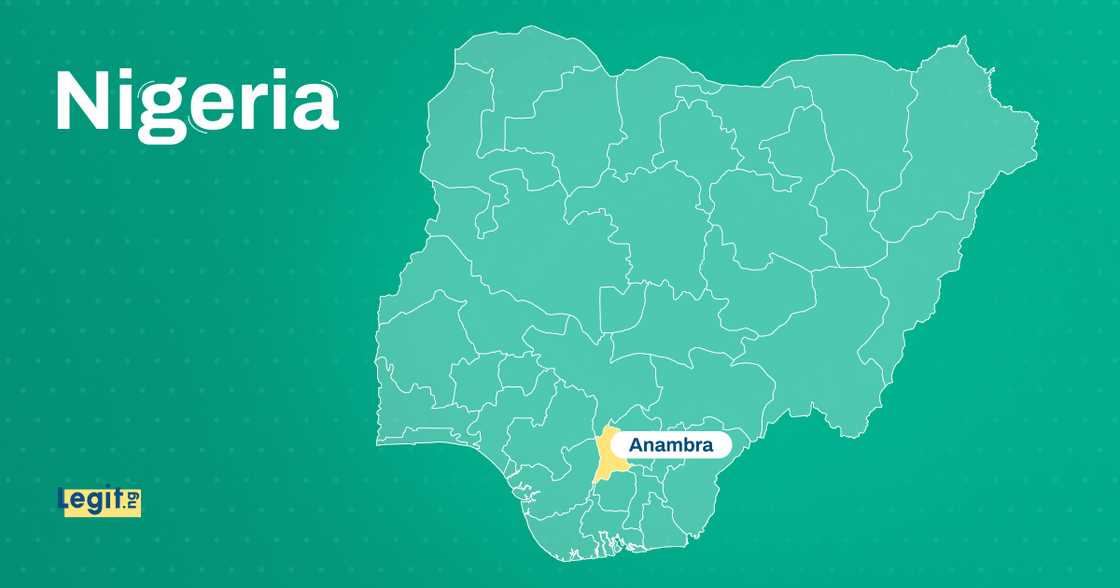


The Peoples Democratic Party’s (PDP) National Working Committee (NWC) has officially shifted the timetable for critical repeat congresses in both Anambra and Ebonyi States, a move that underscores ongoing internal consultations within Nigeria’s largest opposition party. The development, announced by PDP’s National Publicity Secretary Debo Ologunagba this Friday in Abuja, reverberates across Nigeria’s political landscape and raises important questions about party cohesion and grassroots engagement.
According to the PDP, new dates for the repeat Ward, Local Government, and State Congresses originally scheduled for September 20th, 24th, and 29th, 2025, will be communicated “in due course.” Party officials have stated that the change is designed to enable further consultations among party leaders, stakeholders, and local members as the party seeks a more inclusive and smooth exercise.
Background: Why Are Repeat Congresses Necessary?
The internal democracy of political parties is the backbone of credible elections in Nigeria. Over the years, controversies over delegate selection, alleged irregularities, and complaints from aspirants have forced many political parties to hold repeat congresses—democratic gatherings where representatives are elected at the ward, local government, and state levels.
Anambra and Ebonyi states are not strangers to intra-party disputes:
- Anambra: With its high-stakes political contests and history of legal tussles over party primaries, recent PDP congresses reportedly saw stakeholder disagreements and parallel congresses that contested official results.
- Ebonyi: Since a former PDP governor defected to the ruling All Progressives Congress (APC), the state party structure has faced internal rifts over leadership and equitable delegate representation.
By rescheduling, the PDP leadership appears to be acting pre-emptively to avoid a repeat of such crises, aiming to reinforce the legitimacy of its grassroots structures ahead of upcoming elections.
Stakeholder Reactions: Calls for Unity and Transparency
Debo Ologunagba, speaking on behalf of the National Working Committee, urged aspirants, leaders, stakeholders, and members in Anambra and Ebonyi to take note of the rescheduling and remain united in the build-up to the new dates. He also called on key institutions—including the Independent National Electoral Commission (INEC), security agencies, democracy development partners, the media, and the general public—to “take note accordingly.”
Local party members have reacted with cautious optimism. In Awka, a PDP ward chairman, Mr. Chinedu Nwosu, noted, “If the party is truly committed to listening to the grassroots this time, then members will be more confident in the process.” Similarly, in Abakaliki, a female youth leader who preferred anonymity, stated, “We just want the process to be fair to all, not hijacked by moneybags.”
According to Lagos-based political analyst Mrs. Bisi Adekoya, “Internal democracy enhances party credibility nationwide, especially as Nigerians become more politically aware. Other West African parties can draw lessons from PDP’s efforts to retool its processes in response to grassroots feedback.”
Implications for PDP and Nigeria’s Political Landscape
Successful grassroots congresses are critical for party stability ahead of national and state elections. For the PDP:
- Transparent congresses can strengthen the party in Anambra and Ebonyi, potentially setting the stage for electoral successes in these pivotal states.
- Failure to manage internal disputes could further fragment the party, providing an opening for opposition parties or alienating disenchanted voters.
The stakes are also high for Nigeria’s wider democracy. Poorly managed party primaries can spill over into legal battles, factional violence, or electoral boycotts. West African neighbours, such as Ghana and Senegal, have grappled with similar party cohesion challenges; thus, how Nigeria’s PDP addresses these issues carries lessons for other multiparty democracies across the continent.
Comparative Perspective: Lessons from Across West Africa
Looking beyond Nigeria’s borders, repeat primaries and internal contests are not unique to the PDP. In Ghana, the ruling New Patriotic Party and main opposition NDC have, at times, conducted supplementary primaries following disputes—often with assistance from independent mediators and party elders. Observers from the Economic Community of West African States (ECOWAS) continue to emphasize internal party democracy as a linchpin for stability in the region.
According to a 2023 report by the National Democratic Institute, parties that invest in inclusive consultations and open communication with their grassroots tend to fare better in public trust and electoral outcomes.
Looking Forward: The PDP’s Path Ahead
While the PDP has pledged to announce new dates for the Anambra and Ebonyi congresses “in due course,” party faithful and observers will be watching for signs of genuine reform:
- Will the leadership conduct broad-based consultations with local members and marginalized groups such as women and youth?
- Can the process avoid allegations of imposition by powerful godfathers, which have undermined party primaries in the past?
- How will the PDP leverage technology or independent monitoring to ensure accountability?
INEC’s role in observing these internal processes remains vital for election integrity, as the commission’s reports often inform subsequent court judgments in post-election disputes. Security agencies must also be vigilant to prevent disruptions and uphold safety across the congress venues.
Local Observers Weigh In: Expectations, Hopes, and Concerns
Grassroots politicians hope the extended consultation window will not just be a delay tactic. “This is an opportunity for the PDP to build real consensus, especially with the anticipated 2027 general elections on the horizon,” said Professor Michael Odili, a political scientist at the University of Nigeria Nsukka.
Community groups, development bodies, and the media have called for continual updates and transparent guidelines, so all aspirants know the ground rules. The PDP is reportedly collaborating with civil society organisations to strengthen civic oversight of the entire process.
Conclusion: What’s at Stake for Nigeria, West Africa, and the PDP?
The postponement of the PDP’s repeat congresses in Anambra and Ebonyi is more than a mere calendar adjustment; it is a pivotal step in reshaping Nigeria’s oldest opposition party and, by extension, influencing democratic standards across West Africa. With expectations high and eyes watching from Abuja to Accra and beyond, the way the PDP manages these congresses will serve as both a test and an example.
Do you believe the PDP can rebuild trust among grassroots members through this process? What lessons can other African parties learn from these developments? Share your thoughts, concerns, or first-hand experiences in the comments below and stay tuned for updates as the story unfolds.
Connect with us for breaking news and real-time updates—follow us on Facebook, X (Twitter), and Instagram. Don’t just read the news—be a part of it!