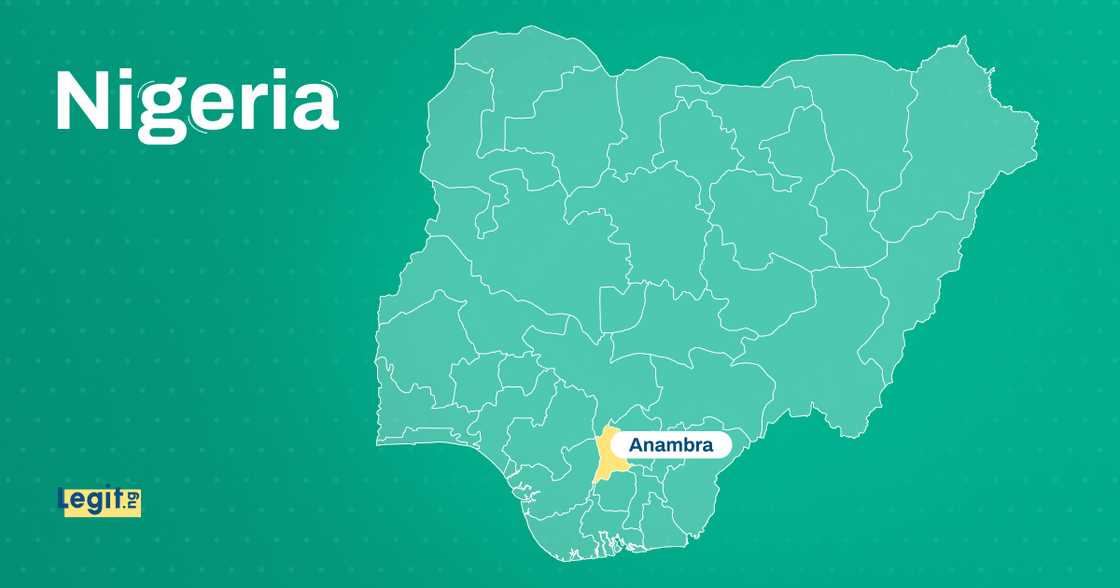


The aftermath of Rivers State’s emergency rule has become a critical point of reflection for both political leaders and citizens, following a six-month period marked by uncertainty and adaptation. Governor Siminalayi Fubara, in a recent statewide address, urged residents to pause and absorb the many lessons learned from managing a state under federal intervention, reemphasizing that, in his words, “the costliest peace is cheaper than the cheapest war.”
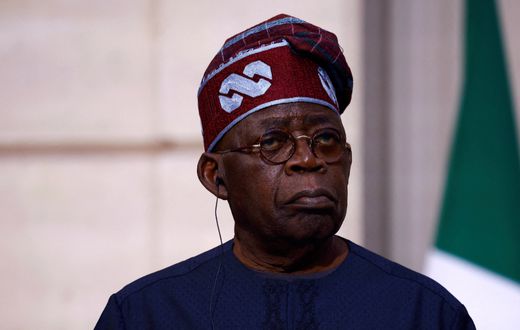
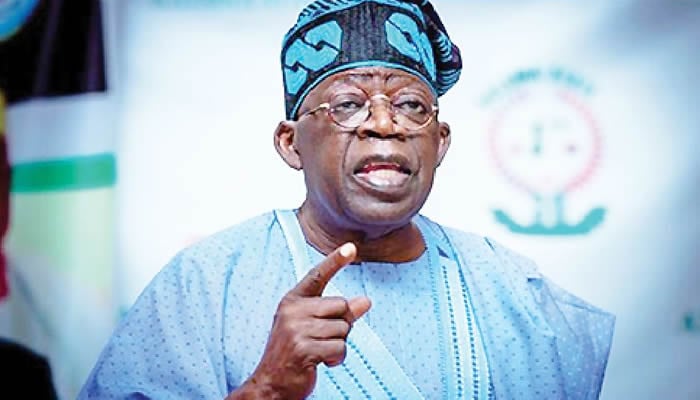
The journey began on March 18, 2025, when President Bola Tinubu enacted emergency rule in Rivers State to quell a long-standing political crisis. This move suspended regular democratic institutions, placing governance responsibilities squarely in the hands of the federal government. As the top state official, Governor Fubara found himself at the sensitive intersection of state and federal interests—a balance that would define his leadership in the months to come.
Responding to Crisis with Calm Leadership
Throughout the emergency period, Fubara reportedly opted for cooperation over confrontation, refraining from mounting legal challenges against the constitutionality of the suspension. Instead, he focused efforts on preserving peace and stability within the state. In his broadcast, he reflected on this approach: “The last six months have been enormously challenging, but they have taught us valuable lessons about unity, patience, and the importance of dialogue.”
Legal observers in Port Harcourt, such as constitutional analyst Barrister Uche Obi, note that choosing collaboration likely helped to “de-escalate tensions” at a time when Rivers State was on edge. “If the Governor had chosen a different route, the political atmosphere could have deteriorated even further, risking instability for the whole Niger Delta region,” Obi pointed out in a phone interview.
Lessons Under Federal Intervention
Transitioning to federal control was not without complications. Emergency rules can disrupt the political, economic, and social norms that communities rely upon. Local business owner Ifeoma Nwoko recalled, “At first, we didn’t know what would happen—people were worried about their jobs and about safety. But we realized we all had to come together to support each other during that difficult time.”
From March through September 2025, government projects saw both delays and adaptations. Resources were reallocated to prioritize security and maintain order. As reported in a July 2025 policy review, key sectors like education and health experienced slowed progress but were safeguarded from outright disruption due to a joint task force involving both state actors and federal overseers.
Governance expert Dr. Tunde Alabi from the University of Port Harcourt adds, “Emergency rule is always a double-edged sword: it offers quick stabilization but can sideline local voices. The Rivers scenario has shown that with proactive leadership, community engagement is still possible.” According to Alabi, Fubara’s call for ongoing dialogue helped ensure that key community leaders—like chiefs and religious authorities—remained part of the consultation process despite constitutional limitations.
Calls for Unity, Inclusion, and Healing
While the return to constitutional governance marks a fresh chapter, the scars of political strife linger. Governor Fubara’s message was clear: healing must involve everyone. “Nothing has been irretrievably lost; there remains ample opportunity for necessary adjustments, continued reconciliation, and inclusiveness,” he explained in his address, inviting political leaders and grassroots stakeholders alike to see this moment as a chance for renewal, not recrimination.
The sentiment is echoed by civic groups and local activists. According to National Youth Council president Mercy Okom, “Young people are watching to see if the political class can put aside differences and focus on development. This is our opportunity to push for more youth participation and transparency.” She urged authorities to open new channels for engagement, particularly for women and young leaders who have traditionally been sidelined during crises.
Fubara’s warning against “renewed division” is particularly significant in the context of Rivers’ ethnically diverse population and history of contentious politics. Observers say fostering inclusiveness and rebuilding trust must go hand-in-hand with reforming electoral institutions and strengthening rule of law. “Let us rise above bitterness and channel our energies into rebuilding trust, fostering inclusiveness, and securing a peaceful and prosperous State for all,” the governor stressed.
Comparative Perspectives: Lessons for West Africa and Beyond
Rivers State is not alone in facing emergency rule; various West African nations have undergone similar experiences, often in the wake of political unrest or conflict. For instance, Burkina Faso and Mali have both lived under military-led transitions in recent years. According to a 2024 report by the African Union, successful transitions depend on inclusive dialogue, safeguarding civil rights, and prioritizing community engagement—principles Rivers is now seeking to deepen.
International analysts, like John Mensah of the Ghana Centre for Democratic Development, point out that Nigeria’s experience is closely watched across the continent. “What happens in Rivers has implications for how Nigeria manages future internal crises, and by extension, shapes West Africa’s approach to governance and peacebuilding,” Mensah explained in a panel broadcast by Africanews.
Cautious Optimism and Community Perspectives
On the ground, optimism is cautious. Market trader Chinedu Eke put it simply: “We’re hoping our leaders have really learned from the crisis. We want peace, but also jobs and development, not just words.” Civic watchdogs emphasize that promises must be matched with action, especially around transparency, participation, and restoring faith in institutions.
This uncertainty is not unique to Rivers, but reflects broader calls across Nigeria—and Africa—for governments to blend stability with responsiveness to local needs.
Moving Forward: Charting a New Course for Rivers State
As Rivers State closes one of the most testing periods in its history, questions remain regarding long-term reforms and sustainable peace. Governance practitioners are looking for signals of credible reconciliation—whether through inclusive appointments, policy reforms, or new platforms for dialogue. The adoption of best practices, especially those centered on transparency, will be key in convincing both locals and the wider nation that the state is firmly back on track.
According to a media statement by the Office of the Governor, there are plans for state-wide forums to gather input from communities on development priorities and mechanisms for trust-building. If implemented transparently, such forums could serve as a model for national healing following political crises—both in Nigeria and elsewhere.
Ultimately, the experience of Rivers under emergency rule underscores a lesson that resonates across continents: peace-building demands sacrifice, compromise, and inclusive leadership, qualities that are never more critical than in times of crisis.
Have you or someone you know experienced changes in Rivers State during the emergency rule? What steps do you think are most important for ensuring lasting peace and development post-crisis? Share your thoughts in the comments below and follow us for the latest updates on governance and community outcomes in Nigeria and across Africa.
Have a news tip or a story from Rivers State or anywhere in Nigeria or Africa to share or sell? We want to hear from you! Email us at [email protected] to get your story featured or to discuss selling your news tip or personal account.
Need general support? Reach out anytime at [email protected].
Be part of our community—follow us on
Facebook,
X (Twitter), and
Instagram for ongoing updates and vibrant discussions!