

After months of political turmoil and a six-month state of emergency, Rivers State is poised for a new chapter. Governor Siminalayi Fubara, addressing residents in his first statewide broadcast since emergency measures were lifted, urged everyone to view this moment as a fresh opportunity for renewed governance, unity, and development.
The governor’s speech, delivered live on Friday evening, marked a symbolic turning point for the state. The suspension of democratic structures, which had been enacted in March amid escalating political and security challenges, is now officially over, granting Rivers State residents the prospect of rebuilding their institutions and restoring normalcy.
Reflecting on the state’s turbulent period, Governor Fubara stated: “Let us embrace this moment as a fresh beginning. We must work together with renewed hope and determination to build a stronger, more peaceful, and prosperous Rivers State. I assure you that our administration will strive to be inclusive and ensure no one is left behind.”
Despite ongoing difficulties, Fubara highlighted the significant progress made under his leadership over the past two years. Citing advances in infrastructure, education, and healthcare, he expressed pride in the resilience shown by the people and institutions of Rivers State.
With the crisis phase reportedly over, the governor emphasized the importance of collaboration moving forward. “The onus now lies with the executive and legislative arms of government—alongside other stakeholders—to set aside their differences and focus on the collective interests of Rivers people,” he added.
Governor Fubara admitted that the state of emergency brought significant hardship. “The last six months have been enormously challenging for our dear state under emergency rule,” he acknowledged, stressing that he accepted the emergency declaration and cooperated with federal authorities out of a deep commitment to peace, stability, and progress. “No sacrifice was too great for the good of Rivers State,” he said, explaining his choice not to legally contest the suspension of democratic institutions, so as not to inflame tensions during a precarious time.
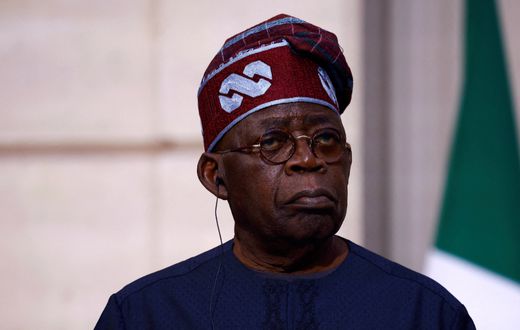
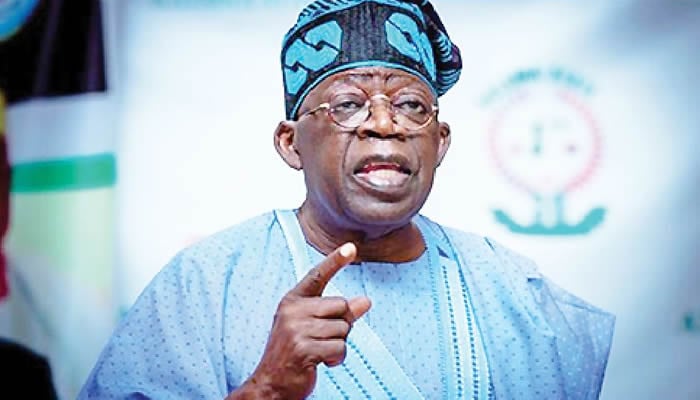
The peace process that enabled the restoration of normalcy was made possible by the intervention of President Bola Tinubu, leaders in the National Assembly, and other key figures. Fubara publicly thanked President Tinubu for his mediation, along with the Minister of the Federal Capital Territory, Chief Nyesom Wike; the Senate President, Godswill Akpabio; and Speaker of the House of Representatives, Dr. Abbas Tajudeen. Their collective efforts reportedly led to the compromise and reconciliation that underpin the current atmosphere of peace in Rivers.
Further credit was given to all parties who agreed to “bury the hatchet” and make the interests of the state paramount, including members of the Rivers State House of Assembly and Governor Fubara himself. “Our immediate responsibility is to resume the full business of governance—ensuring continued funding for ongoing projects, reviving the economy, safeguarding lives and property, and working to enhance the well-being of all.” The governor pledged closer collaboration with the State House of Assembly to make up for lost time and accelerate both social and economic progress, reiterating his commitment to serve with “the fear of God, humility, and a strong sense of duty.”
Fubara returned to Port Harcourt on Friday, accompanied by his wife, Lady Valerie, and Chief of Staff Rt. Hon. Edison Ehie, after the emergency was officially lifted. On arrival at the Port Harcourt International Airport, they were met by Deputy Governor Professor Ngozi Odu and a large crowd of supporters, many of whom had gathered as early as 6:00 am. The warm reception, however, appeared to be marked by some notable absences. According to local reports, only the chairman of Opobo/Nkoro local government area, Barrister James James, attended from among the LGA chairpersons. Members of the State House of Assembly were also absent at the airport welcome.
This underscores some lingering tensions in Rivers politics, where reconciliation, according to analysts like Port Harcourt-based political observer Adaeze Nduka, “will require ongoing dialogue and a focused commitment to unity.” As seen in many Nigerian states, healing rifts after a political crisis is rarely immediate or simple.
Legal experts and other stakeholders have called for the state to move forward constructively. Chief Onueze Okocha, former President of the Nigerian Bar Association (NBA), advised Governor Fubara to prioritize governance over grievances, telling reporters in Port Harcourt that reconciliation is paramount. “The governor must not bear grudges. It’s time to deliver quality governance to Rivers people,” Okocha urged, also calling on the State House of Assembly to work in tandem with the executive branch for the wider good of the state.
The need for unity among political leaders was echoed by other local figures, as tensions continue to simmer beneath the surface. All Progressives Congress (APC) chieftain, Eze Chukwuemeka Eze, critiqued what he described as impatience from some lawmakers, who reportedly pressed the governor to submit commissioner-nominee lists and a new Appropriation Bill soon after resuming office. In his statement to Port Harcourt media, Eze described such requests as “hasty,” cautioning that such moves could trigger renewed conflict between the legislative and executive arms of government. “Interference at this delicate stage risks inviting another cycle of crisis,” he stated, highlighting how delicate the current peace is.
To place the Rivers State experience in a broader context, emergency rule and political crises are not unique to Nigeria—they have occurred in Ghana, Liberia, and several other West African countries, often triggered by similar disputes over power and governance. In most cases, durable peace has only been achieved when political actors set aside partisanship for the sake of stability and development—a lesson with clear resonance in the current events in Rivers. According to research by the West Africa Network for Peacebuilding, post-crisis reconciliation is most successful when community leaders, civil society, and the media encourage public participation and institutional reform.
For Rivers residents, there is both relief and lingering uncertainty. Port Harcourt trader Blessing Chukwu told local journalists, “We just want the fighting to stop. People are tired. Let them work together and give us good roads, clinics, and schools.” Voices like hers reflect widespread sentiment across not just Rivers, but the wider Niger Delta and southern Nigeria—communities eager for leaders to deliver basic services and opportunities.
Experts, such as Lagos-based analyst Dr. Tunde Owolabi, warn that while executive-legislative cooperation is vital, restoring public trust after such a crisis will also depend on more transparent governance and visible progress in sectors like health, education, infrastructure, and job creation. “It’s not just about returning to normal, but raising the standard,” he notes.
As Rivers State stands at this vital juncture, the resolve of its leaders—and their ability to collaborate—will be decisive in determining whether this fresh beginning brings lasting peace and tangible benefits for all residents.
What are your thoughts on Rivers State’s journey from turmoil to reconciliation? Do you believe the state’s leaders will maintain this fragile peace and deliver on their promises? Drop your comments below and stay tuned for more in-depth updates on Rivers and other critical happenings across Nigeria and West Africa.
For help or general support, contact us at [email protected].
Connect with the conversation: follow us on Facebook, X (Twitter), and Instagram for the latest news and community stories! Share your opinions, join the discussion, and help shape the future of Nigerian discourse.