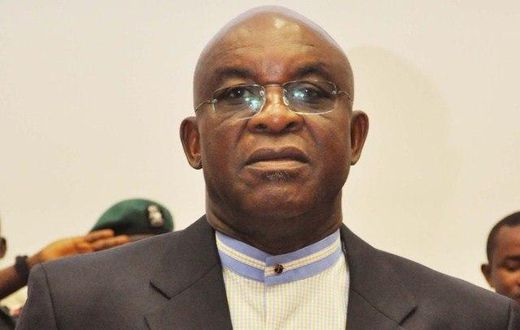


The Nigerian community and the wider law enforcement sector are in deep shock following the unexpected passing of Chief Narcotics Officer Ogbonna Uzoma, who served as the Commander of the National Drug Law Enforcement Agency (NDLEA) in Cross River State. His untimely death has brought a wave of grief, highlighting the relentless pressures often faced by security officers dedicated to combating drug trafficking and organized crime.
According to an official statement released on Friday by Femi Babafemi, Director of Media & Advocacy at the NDLEA Headquarters in Abuja, Commander Uzoma’s tenure was unfortunately very brief, as he only assumed his position on August 18, 2025. On the morning of Thursday, September 18, 2025, his absence from scheduled duties raised concerns among his fellow officers, who then discovered him unresponsive in his Calabar hotel room. He had reportedly failed to attend planned operational activities earlier in the day, a move that was immediately noticed by his colleagues given his usually active participation.
Detailing the events, Babafemi explained: “Chief Narcotics Officer Ogbonna had been very committed to his work since arriving at the Cross River Command and was to lead his team for an engagement scheduled at 10am on Thursday. When he was unreachable by 9am, his team, accompanied by hotel personnel, went to his room. After repeated unanswered knocks and calls, hotel staff had to use alternate means—eventually entering through the ceiling—to unlock the door. Sadly, they found him lifeless.”
In line with standard procedures, the police in Cross River State were promptly alerted. The Commissioner of Police personally visited the scene, and a thorough investigation has commenced to determine the cause of death. Although initial reports have not identified any suspicious circumstances, authorities assure the public that no possibility is being ruled out until the situation is fully understood.
To ensure a comprehensive inquiry, NDLEA Chairman/Chief Executive, Brigadier General Buba Marwa (retd.), immediately instructed the Zonal Commander of Zone 14, ACGN Mathew Ewah, to relocate to Calabar and support the ongoing investigation. This show of high-level commitment underscores the seriousness with which the agency treats the well-being and safety of its officers, as well as transparency regarding staff welfare matters.
In his official condolence message, Brigadier General Marwa emphasized the Agency’s solidarity with the bereaved family, stating: “We stand shoulder to shoulder with the family during this difficult period, and our thoughts and prayers are with them. We are committed to ensuring that the circumstances around this loss are fully investigated, and we trust that God grants the departed eternal rest.”
Commander Uzoma’s stint in Cross River, though short-lived, was marked by a tireless approach and strong leadership qualities. According to close associates within the NDLEA, Uzoma had already started operational planning with his officers and had hit the ground running immediately upon resumption. His reputation for professionalism and dedication was well acknowledged throughout Nigeria’s law enforcement community, resonating with those who have experienced the pressures of serving in frontline anti-drug operations.
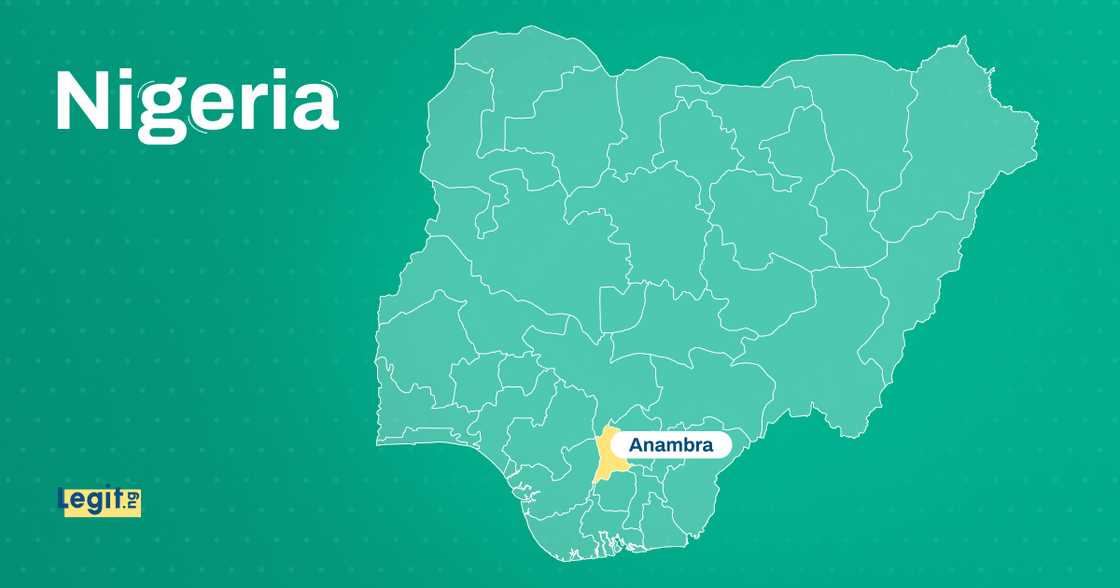
Cross River State has become a significant center in recent years for NDLEA’s anti-narcotics activities, given its proximity to key smuggling routes and fertile areas used for cannabis cultivation. In June 2025, NDLEA agents reportedly destroyed a 30-hectare cannabis farm in the region, preventing further distribution of illicit drugs. According to local news sources and the NDLEA’s public records, the state has witnessed increased crackdowns, with record seizures and arrests underlining the authority’s ongoing strategy to dismantle drug networks and protect communities from the associated harm.
For residents in Calabar and the wider Cross River area, NDLEA’s work is viewed both as a shield against criminal elements and a source of employment and mentorship for young Nigerians who aspire to serve. Community leaders, while expressing sorrow over Commander Uzoma’s sudden death, have reaffirmed their support for the agency’s efforts. According to Mrs. Gloria Effiom, a Calabar-based youth activist, “NDLEA presence in our state sends a strong message to traffickers that our communities are not safe havens for drugs. We mourn Officer Uzoma’s passing, but we also encourage the agency to keep up the fight.”
From a legal perspective, investigations into the unexplained deaths of security officers like Uzoma are conducted with utmost attention, given the sensitivity of their roles. Lagos-based criminologist Dr. Tunde Adeshina explained, “It is vital for agencies to protect not just the public but also their own personnel. Independent medical examinations, transparent reporting, and support for the family are standard in such cases. Transparency upholds public trust and morale within security services.”
Experts note that law enforcement officers in Nigeria and across West Africa often function under intense pressure, balancing high-stakes operations, risks of retaliation, and the logistical difficulties of working in remote or conflict-prone areas. Mental and physical health support, while now increasing in priority, remains an evolving area, with agencies urged to do more to minimize occupational hazards. According to data from regional security reports, incidents involving law enforcement personnel on assignment account for a small, but deeply felt, proportion of overall officer mortality each year.
Looking globally, the loss of a high-ranking anti-narcotics officer resonates beyond Nigeria’s borders, reflecting the broader struggle faced by counterparts across Africa, South America, and Asia. International collaborations among anti-drug agencies continue to be a cornerstone of regional security, and Nigerian officials are often praised for their resilience and leadership in cross-border partnerships. However, every such tragedy is a stark reminder of the human cost behind headlines and statistics.
As the NDLEA continues its investigations and the family of Commander Uzoma begins their mourning, conversations around officer welfare, transparency, and the future direction of Nigeria’s fight against drug crime must continue. The loss serves as a wake-up call for policymakers and community leaders to strengthen support structures, offer robust counseling services, and maintain the integrity of agencies that serve on the frontlines of national security.
How do you think agencies like NDLEA can better protect and support their officers across Nigeria and West Africa? What measures do you believe can improve morale and safety for those in high-risk roles? Drop your thoughts in the comments section below, and stay connected with us for further updates on this story and others impacting our communities.
For help or general inquiries, contact [email protected].
Join our community and never miss an update—follow us on Facebook, X (Twitter), and Instagram!