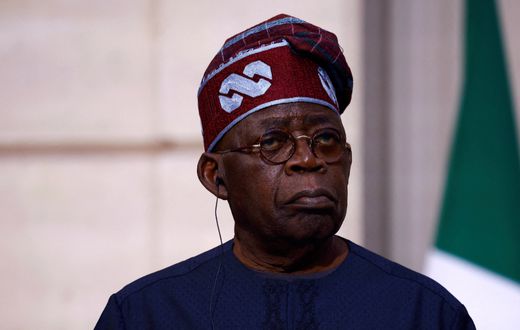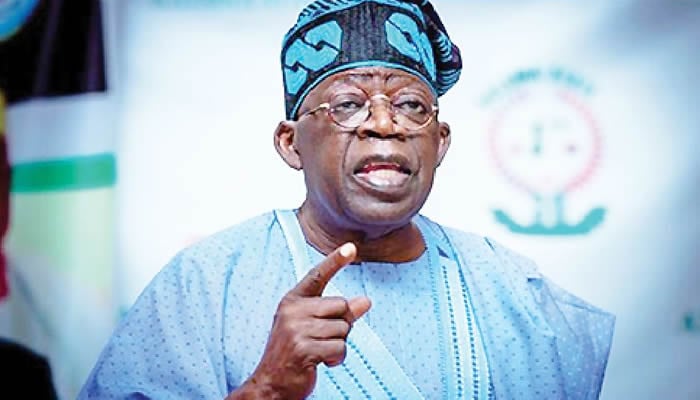


In a significant move aimed at supporting the education of young Nigerian women affected by insurgency, President Bola Tinubu has authorized the payment of tuition fees for several Chibok schoolgirls who survived abduction by Boko Haram in 2014 and are now enrolled at the American University of Nigeria (AUN). The private university, located in Yola, Adamawa State, is owned by former Vice President Atiku Abubakar.
This decision was announced on Thursday, September 4, by Dr. Tunji Alausa, Minister of Education. Alausa emphasized that President Tinubu’s support for the rescued Chibok girls demonstrates the administration’s commitment to Nigerian education at every level—and that the move goes beyond politics, focusing instead on long-term welfare and empowerment of vulnerable citizens, especially young women traumatized by insurgency.
When did the Chibok attack happen?
The horrific attack on Chibok, Borno State, occurred in April 2014 when the militant group Boko Haram stormed the Government Girls Secondary School, abducting over 270 students. The incident shocked Nigeria and drew global condemnation, becoming one of the most widely reported kidnapping crises in modern African history. Over the years, a number of girls have been rescued or released, and many continue their journey toward recovery.
According to a statement released by the Ministry of Education and signed by its Director of Press, Boriowo Folasade, the government acknowledges that even though more than ten years have passed since the abductions, the survivors’ healing and progress remain a priority. The ministry reiterated that the administration intends to continue taking full responsibility for their care and upliftment.
Minister Alausa noted that President Tinubu “is ensuring that the rescued 108 girls entrusted to the care of the Federal Ministry of Women Affairs continue to receive comprehensive rehabilitation and academic support.” This is being carried out under the framework of the government’s Renewed Hope Agenda, which places a special focus on the welfare of marginalized groups and survivors of conflict in Nigeria’s North-East.
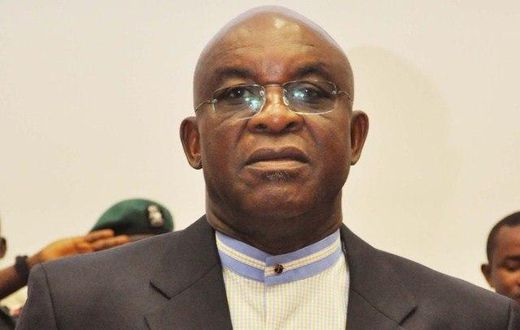
Despite ongoing political rivalries and criticism—particularly from former Vice President Atiku Abubakar, owner of the AUN—Dr. Alausa re-affirmed that the administration’s intervention is non-partisan. The federal government, according to him, has already covered tuition, housing, and other necessary expenses for 68 rescued girls now studying at AUN. This commitment illustrates a willingness to collaborate with stakeholders irrespective of political affiliations when it comes to national unity and the reintegration of survivors.
Alausa’s statement on Chibok girls at Atiku’s university
The official statement highlighted further financial commitments:
“Sixty-eight (68) of the girls remain enrolled at the American University of Nigeria (AUN), Yola, an institution owned by opposition politician and former Vice President, Alhaji Atiku Abubakar. Despite persistent criticisms of this administration by such figures, Mr. President has continued to approve the payment of tuition, accommodation, and associated fees to AUN to safeguard the education of these young women.”
President Tinubu approved the release of N1.8 billion to comprehensively complete intervention programmes for the Chibok girls. Minister Alausa further explained that these resources will be used to cover not just tuition but also accommodation, vocational training, psychosocial support, and various other rehabilitation activities up until 2027—ensuring holistic care throughout their studies.
He underscored that the administration’s commitment is as much moral as financial, calling the intervention “Nigeria’s pledge to turn a dark chapter in our nation’s history into a story of resilience, dignity, and hope.” This sentiment echoes the expectations of many rights advocates and observers who have long called for sustainable rehabilitation and education for survivors of conflict—beyond basic rescue operations.
For further details and updates on this intervention, see the official release at https://x.com/NigEducation/status/1963624528363286844/photo/1 here:
Broader Context: Nigeria’s Education Policies Under Tinubu
President Tinubu’s efforts to champion the rescued girls’ education come alongside more sweeping changes in Nigeria’s tertiary education landscape. The federal government recently announced a seven-year suspension on the creation of new federal universities and colleges. This move aims to stabilize funding and ensure that existing institutions receive adequate resources to operate efficiently, rather than stretching limited funds across new, unplanned projects.
Analyst Reacts as Tinubu Suspends Creation of New Universities
The administration’s decision to halt the establishment of new federal tertiary institutions has attracted both domestic and international attention. According to Lagos-based legal practitioner Titilope Anifowoshe, who spoke with Legit.ng, the government’s policy is a “welcome development.” She emphasized the need for Nigeria to focus on improving infrastructure, academic quality, and staff welfare in current institutions before embarking on further expansion.
Anifowoshe further suggested concrete next steps for the higher education sector. For her, the government should:
- Increase funding for laboratories, libraries, and technology in existing schools.
- Actively recruit and retain qualified staff to reduce brain drain.
- Regularly update curricula to meet global standards and local market needs.
- Ensure robust security in educational institutions, particularly in areas affected by insurgency or social unrest.
She added, “It is not just enough to rescue and enroll abducted children in schools. There must be a well-monitored system to guarantee that they thrive both psychologically and academically. This is how Nigeria can transform tragedy into hope and innovation.”
Nigeria, West Africa and Global Implications
The ongoing support for the Chibok girls stands as a symbol of Nigeria’s resolve in the face of persistent security threats. It also sends a powerful message across West Africa, where several countries face similar challenges posed by extremist groups and displacement. The international community continues to observe Nigeria’s handling of survivors’ rehabilitation as a benchmark for trauma recovery and women’s access to higher education.
For many observers, the holistic approach—combining tuition, housing, psychosocial care, and vocational training—is a step in the right direction. Challenges remain, such as ensuring the sustainability of funding, addressing deep-seated trauma, and providing dignified integration of survivors into society. Local advocates urge continued vigilance and transparency in the management of resources, as well as collaboration with NGOs, international partners, and host communities.
In a West African context, the Nigerian government’s intervention may inspire neighbouring countries like Cameroon, Niger, and Ghana to intensify their own efforts to protect and educate youth affected by conflict. Education experts note that success stories from the Chibok girls will encourage other survivors to return to the classroom—and enable entire communities to rebuild and grow stronger.
This development also contributes to global conversations on the right to education for girls, the responsibility of governments to citizens recovering from conflict, and the need for a collaborative approach across sectors—government, civil society, and the private sector—to yield lasting change.
As the story of the Chibok girls continues to unfold, Nigerians—and indeed, Africans and global observers—are watching to see how well promises are kept and whether educational access translates into empowerment after trauma. The narrative has moved beyond rescue to resilience, and the next chapter will be about results.
What are your thoughts on President Tinubu’s support for the Chibok girls’ education? Do you think this model of holistic rehabilitation should be adopted across West Africa? Drop a comment below and let us know what you think. For breaking news and updates, make sure to follow us and stay engaged with the conversation!
Join the conversation and connect with us on social media for the latest updates:
Facebook,
X (Twitter), and
Instagram.