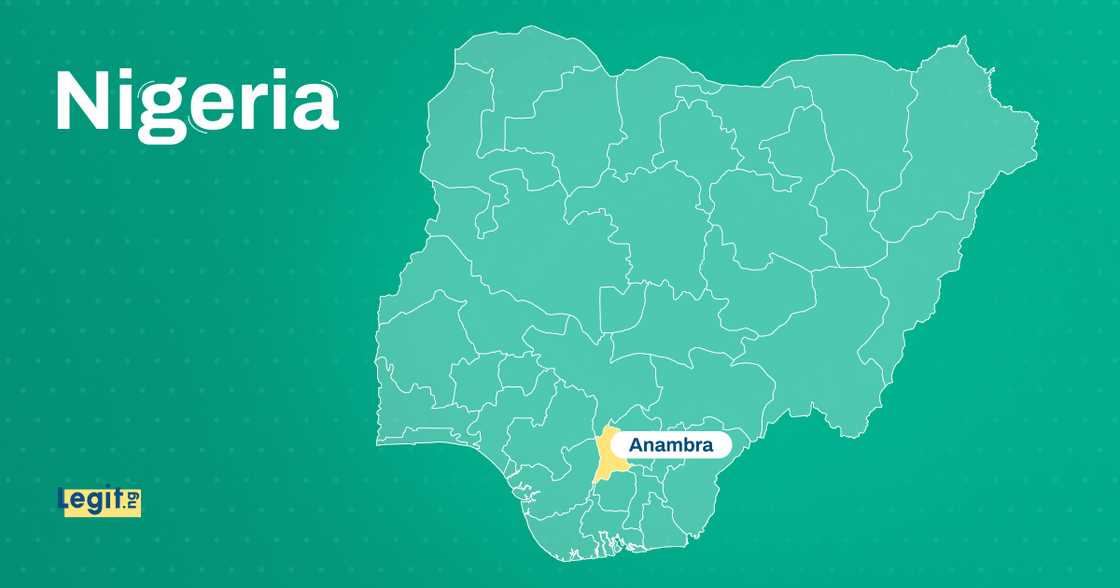


At a recent Stakeholders’ Consultative Forum on Skill Gaps in the Telecom Value Chain, convened by the Nigerian Communications Commission (NCC) in Lagos, industry leaders, regulators, academia, and start-up founders gathered to address one of Nigeria’s most urgent technological challenges: the growing deficit of local expertise across the telecommunications sector.
The event, spotlighting the theme, “Bridging the Telecom Value Chain Skill Gap: Empowering Indigenous Talents for Industry Growth,” highlighted a unified desire to bolster Nigeria’s position as a major player in Africa’s digital landscape. Participants examined sustainable strategies for empowering homegrown talent, ensuring robust sector growth that keeps pace with global innovation.
Why Reinforce DBI Instead of Establishing a New Academy?
Much of the forum’s debate centered on the future of skill development and innovation in telecom. Mr. Abraham Durosawo, Vice President of the Nigeria Infrastructure Fund at the Nigeria Sovereign Investment Authority (NSIA), asserted that significant progress can be made not by creating new institutions, but by supporting and expanding existing ones. He specifically referenced the Digital Bridge Institute (DBI), a center that has already demonstrated capacity in upskilling telecom professionals.
Durosawo reportedly advocated for broadening the DBI’s mandate, mobilizing fresh investment, and strengthening its partnerships as a more prudent solution than establishing a new National Telecom Academy—a move he warned might duplicate efforts and delay urgent progress in closing skill gaps.
“The DBI has done excellent work; we just need to strengthen it,” Durosawo said.
“The shareholders of DBI should be expanded. Let’s bring in long-term investors who have the capital and genuine interest in the industry.”
According to Durosawo, investing in DBI “would deliver faster and better-aligned results for Nigeria’s telecom sector, ensuring the industry keeps up with new global benchmarks and competitive pressures.” He was firm in rejecting proposals for a new national academy, calling for reform and reinforcement of what already exists. Such positions reflect broader global best practices, where leveraging and upgrading established infrastructure is typically more efficient than starting anew.
This viewpoint resonated with many at the forum, as stakeholders agreed that urgent action is essential to stem Nigeria’s “widening skills gap”—one that threatens to undermine ambitions for a thriving digital economy.
Several industry thought leaders shared their perspectives:
- Tony Izuagbe Emoekpere, President, Association of Telecommunications Companies of Nigeria (ATCON)
- Gbenga Adebayo, Chairman, Association of Licensed Telecom Operators of Nigeria (ALTON)
- Edoyemi Ogoh, Director of Technical Standards, NCC (representing Executive Vice Chairman Dr. Aminu Maida)
Their contributions underscored that the scarcity of qualified professionals now impacts areas such as telecom engineering, broadband network installation, cybersecurity, equipment maintenance, and digital financial services. These gaps put immense pressure on the sector, especially as Nigeria races to meet ambitious targets for 5G deployment, rural connectivity, and digital literacy.
ATCON’s Emoekpere emphasized that the industry’s skills shortage “remains a top challenge, restricting pace of expansion and forcing companies to often seek foreign expertise, which can be costly and unsustainable.”
Retention: A Crucial Piece of the Skills Puzzle
Another urgent topic was the increasing loss of telecom talent to countries promising greater economic rewards—a phenomenon long described as Nigeria’s “brain drain.” ALTON’s Chairman, Gbenga Adebayo, focused on retention, stating that training initiatives are insufficient unless complemented by strategies to keep local talent engaged and motivated.
Adebayo advocated for revamping the DBI’s curriculum to include hands-on, mid-level skill development. He called on telecom operators to play a proactive role by sponsoring DBI campuses, funding scholarships, running certification programmes, and creating tangible career pathways for graduates. This model, he argued, mirrors successful systems in countries like India and South Africa, where strong public-private partnerships yield a steady flow of qualified technical talent.
“In four years, I lost 12 skilled technicians to Canada, Germany, the U.S., and the UK,” Adebayo revealed.
“It’s not just about training people, but retaining them with better incentives and social guarantees.”
Addressing media at the event, Adebayo said, “It is no longer enough to simply train people; we must ensure they see a future here, through attractive jobs, clear advancement, and incentives that keep their skills within the sector, and within Nigeria.” Similar sentiments were echoed by other panelists, who cautioned that without a robust retention strategy, training investments might inadvertently benefit foreign markets rather than national development.
Strategies for Closing Telecommunications Skill Gaps
The forum concluded with a consensus: closing Nigeria’s telecom skill gaps is now essential for sustainable growth, reducing dependency on expatriate talent, and remaining relevant in a fiercely competitive global digital economy.
According to industry observers, some recommended strategies include:
- Expanding and modernizing DBI’s infrastructure and learning resources
- Securing more funding and private sector investment in telecom education
- Enhancing collaboration with international universities and training providers
- Quickly adapting curricula to changing technology trends (5G, IoT, AI, cybersecurity, and broadband deployment)
- Creating practical, industry-driven internship and mentorship programmes
- Ensuring certifications are widely recognised by employers, both locally and abroad
By focusing efforts and resources on reforming the Digital Bridge Institute, officials and industry insiders argue that Nigeria can build a pipeline of indigenous talent. This would elevate the nation’s workforce, reduce dependency on contract or expatriate hires, and drive innovation within the continent’s expanding telecom market.

Credit: Novatis
Source: UGC
Local experts such as Lagos-based digital skills trainer Opeyemi Adio told reporters, “Our young graduates are ambitious but need more structured, practical training and job placement support. Strengthening DBI will help ensure they’re ready for future technological demands.”
This strategy, participants felt, is especially relevant as Nigeria and West Africa try to capture a larger share of tech investment that has historically gone to South Africa and Kenya. The goal is to position West Africa as a regional leader in telecom innovation and business.
The Federal Government Lifts Telecom Tax—What’s Next for the Industry?
In a related development, the Federal Government has recently revoked the controversial 5% excise tax on voice and data telecommunications services, a measure that was widely criticized for increasing consumer costs and stifling digital adoption. This policy reversal—reportedly announced earlier this year—should bring relief to millions of Nigerians and make vital connectivity more affordable for households and small businesses across the country.
Industry analysts say scrapping the tax could further encourage innovation and make it easier for more citizens to participate in Nigeria’s booming digital economy. However, some experts warn that unless fundamental skill gaps are addressed, the sector may still fall short of its full potential—despite improved price accessibility.
Regional and Global Context
Nigeria’s push to empower local telecom talent comes at a time when many African countries are grappling with similar workforce shortages. In Ghana, for example, government efforts to expand technical and vocational training for ICT are ongoing, but digital transformation is frequently constrained by migration of skilled workers and gaps in university-industry collaboration. Meanwhile, South Africa has shown that sustained investment in STEM education and partnerships with private industry can yield robust job creation and help retain talent at home.
Globally, countries with thriving telecom and digital ecosystems—like India and China—have consistently prioritized workforce development, often through a combination of technical colleges, specialized certifications, and government-supported industry partnerships. The Nigerian approach discussed at the forum aligns with these success stories, suggesting that targeted investment in existing institutions can be more effective than building from scratch.
Looking Ahead: A Shared Responsibility
In closing, the Lagos summit demonstrated the value of continuous dialogue among government, industry, and civil society. There was a broad consensus that only a collaborative effort—combining regulatory reform, academic innovation, and private sector leadership—will deliver the skilled workforce Nigeria needs to fulfill its digital destiny.
As Africa’s most populous country, Nigeria’s choices on telecom education and workforce retention will likely shape the continent’s broader digital transformation. The decisions made now could mean the difference between relying on expensive expatriate expertise and creating long-term economic opportunities for millions of Nigerian—and West African—youth.
What do you think are the best ways to upskill and retain telecom talent in Nigeria and across West Africa? Share your views in the comments—your voice matters as we build an inclusive digital future!