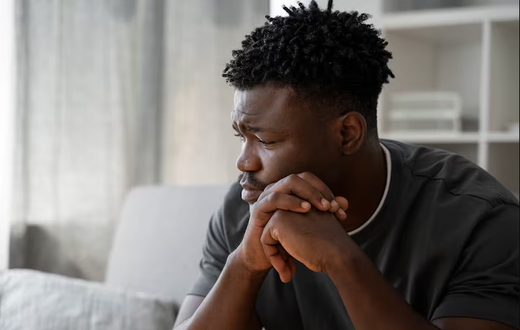


“You should marry your friend!” It’s a mantra commonly echoed by Nigerian parents, church elders, and trending Twitter threads alike. From Lagos to Accra, the advice feels almost universal—find a spouse who’s your closest companion, someone who truly “gets you,” and life will supposedly be smoother.
The reasoning feels solid. Who doesn’t want to share life with someone who knows all your quirks, finishes your jokes, and makes you feel truly at ease? For many in Nigeria, Ghana, and across West Africa, marriage built on friendship is often portrayed as an unbreakable formula for happiness.
But is it really that simple? Beneath the feel-good stories and social media advice threads, there’s a side to marrying your best friend that often goes unmentioned. While the foundation of friendship can add sweetness to a union, it can also bring its own unique set of challenges—sometimes awkward, sometimes surprising, and often under-discussed in our communities.
So, before you run off with your “person” at the next owambe or plan your joint relocation to Canada, it’s worth looking deeper. Let’s explore the less talked-about realities of marrying your friend—especially those aspects no one seems eager to bring up.
Settle in and perhaps grab a few puff-puffs. We’re breaking down the subtle downsides of tying the knot with your closest buddy. You may be surprised at what really lurks behind the advice.
Over-Familiarity Can Kill Romance
![The negative part of marrying your friend no one told you about [AdobeStock]](https://image.api.sportal365.com/process/smp-images-production/pulse.ng/05072025/e8d6c426-a199-4800-9f29-874693acc6be.jpg)
The negative part of marrying your friend no one told you about [AdobeStock]
When your spouse is also your best friend, it’s easy to slip into a comfortable routine that prioritizes friendship over romance. Suddenly, the person who once gave you butterflies also knows what you look like after five days of no makeup, wearing the same Atiku wrapper at home—no judgment, just facts!
According to relationship therapist Dr. Adaobi N., couples in Nigeria and Ghana report that after marrying someone they’ve been close friends with for years, romance can “shift into autopilot.” Instead of flirting or planning surprise date nights, evenings turn into chats about trending Netflix series or the latest WhatsApp family group drama.
What starts as comfort may slowly morph into monotony. Over-familiarity can make it easy for both partners to forget the little things that keep romance alive. As one Lagos-based newlywed put it, “We’re so used to each other that sometimes it feels like I’m running a business with my roommate instead of building a marriage.”
They Know Too Much About You

The negative part of marrying your friend no one told you about
One of the perks of friendship is vulnerability. You’ve probably shared your most embarrassing moments—maybe that dramatic fainting spell at NYSC camp (camp stories, anyone?), or that minor meltdown over “no Indomie left in the house.” But in marriage, all that history comes bundled together.
According to Abuja-based marriage counsellor Chinedu Okafor, spouses who were friends first often report feeling exposed during arguments: “Your partner remembers every tiny detail about your past. In moments of frustration, it’s tempting to use those stories as weapons—even when you don’t mean to.”
During heated quarrels, all those shared confidences can sneak into discussions, especially if emotions are running high. There’s a unique sting in hearing your own “receipts” used as ammo in disagreements. Many couples underestimate just how challenging it can be to safeguard old vulnerabilities after marriage.
Arguments Become Awkward

The negative part of marrying your friend no one told you about
Every relationship has disagreements. But with a friend-turned-spouse, arguments can get especially tricky. Before marriage, after squabbling with your partner, you could always vent to your “bestie”—someone impartial. Now, both roles are merged, leaving you with no neutral party to confide in.
Ngozi Ajayi, a relationship coach based in Ibadan, shares that this often results in bottling up emotions due to lack of safe “third party” support. “It’s common for couples who’ve always been each other’s confidantes to struggle with processing conflict once married,” she explains. This can lead to awkward silences, emotional withdrawal, or—worse—lingering resentment.
Harder to Maintain Boundaries
![The negative part of marrying your friend no one told you about [iStock]](https://image.api.sportal365.com/process/smp-images-production/pulse.ng/16022025/a0eed14a-22a5-4768-9c88-cd0e76d39563.jpg)
The negative part of marrying your friend no one told you about [iStock]
When you marry your friend, the boundary between “playmate” and “responsible spouse” can get fuzzy. For example, in times of stress—a sudden job loss, or an urgent family crisis—you might crave logic and structured support, but your partner may default to cracking jokes or casual banter out of habit.
This can also show up in areas like finances or parenting. According to a recent survey by the Marriage Registry Office in Lagos, over 40% of couples who were friends prior to marriage admitted that joking around can sometimes undermine serious conversations, making it hard to achieve their long-term goals. A friend’s playful attitude is lovable, but sometimes, a spouse needs firmness and clear lines, not just laughter and relaxation.
Global Trends, Local Realities
While the “marry your friend” advice is popular internationally—featured on platforms from BBC Africa to global relationship podcasts—the Nigerian and West African context adds distinctive nuances. Extended family dynamics, traditional values, and societal expectations can influence both the upsides and the challenges of such marriages. According to Dr. Nana Abena, a Ghanaian author on modern relationships, “What works abroad must always be adapted for our own culture, where marriage is a family-to-family affair and every ‘best friend’ spouse is still accountable to Auntie Ngozi and Uncle Kojo.”
How to Make It Work: Insights from Local Experts
Despite the hurdles, many Nigerians and Ghanaians are finding ways to nourish both friendship and romance in their marriages. Experts recommend:
- Intentional romance: Set aside regular “just us” time that isn’t about routine or errands, but about rekindling attraction.
- Respecting boundaries: Let old jokes and embarrassing stories remain private—never weaponise confidences, even in anger.
- Open communication: If conflict arises, consider reaching out to a trusted family elder, licensed counsellor, or faith-based support group instead of bottling things up.
- Balancing play and seriousness: Enjoy the comfort of friendship but recognise when your partner needs a supportive spouse, not just a pal.
A seasoned couple in Enugu shared, “The goal is not to lose friendship, but to grow into full partners—romantically, emotionally, and spiritually.”
Conclusion
No doubt, marrying your friend comes with plenty of laughter, shared memories, and emotional comfort. However, as many newlyweds in Nigeria and West Africa are discovering, that same intimacy can sometimes make it challenging to maintain boundaries, preserve romance, and handle conflict constructively.
To truly thrive, couples must strive to balance friendship and intimacy—intentionally nurturing closeness while keeping the spark alive. That means celebrating the inside jokes, but also exploring new adventures together and creating moments just for romance. Above all, remember that both laughter and love require care, attention, and respect.
What do you think—have you experienced the upsides or hidden downsides of marrying your friend? Is there something about friendship and romance in West African marriages that the global world should know about? Drop your thoughts in the comments, and follow us for more conversations that put African relationships in the spotlight!
Have your own story or relationship experience you’d like to share—or know someone who does? We’re inviting real voices from Nigeria, Ghana, and across Africa to help shape the conversation. To get your story featured or discuss story sales, email us at [email protected].
Want to connect with our team or need support? Reach out at [email protected].
Be part of the conversation! Follow us on Facebook, X (Twitter), and Instagram for the latest updates, discussions, and relationship insights. Your stories and opinions matter—join us!