

Across Nigeria, from viewing centres in Lagos to bustling sports lounges in Abuja, football fans are buzzing about the recent announcement from FIFA that has placed the South African Football Association (SAFA) and their midfielder, Teboho Mokoena, under the global spotlight. According to an official statement by FIFA, disciplinary proceedings have begun against both SAFA and Mokoena, stemming from allegations of breaching player eligibility regulations during the ongoing 2026 FIFA World Cup qualifiers. This development holds particular significance not just for South Africa, but also for Nigeria and the wider West African football community, as it could impact group standings and qualification prospects.
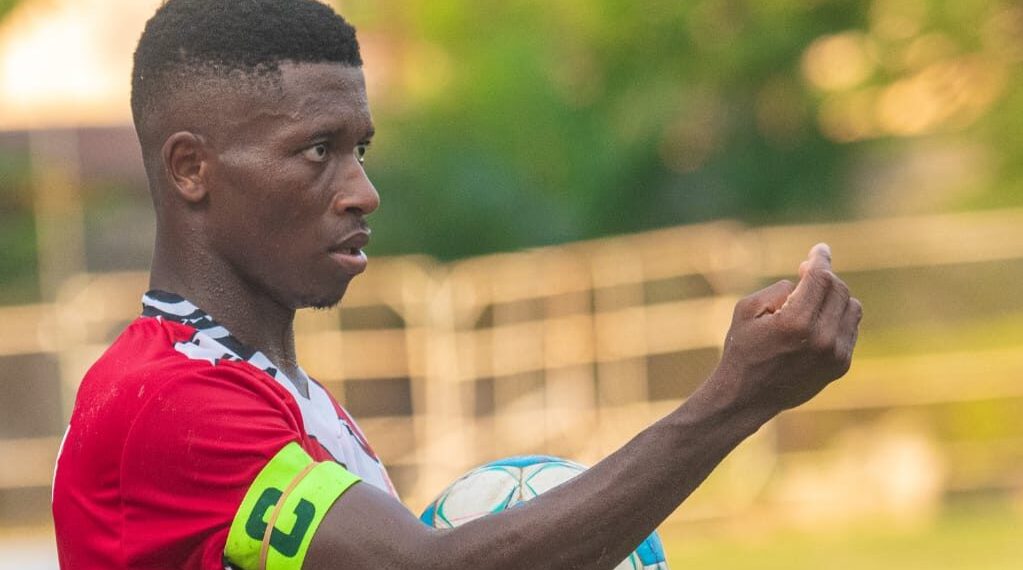
The central issue traces back to a qualifier held on 21 March in Polokwane, where South Africa secured a 2–0 victory over Lesotho. On the field that day, Teboho Mokoena appeared for South Africa, yet, according to the FIFA charge, Mokoena should have been serving a suspension due to accumulated yellow cards earlier in the qualifiers.
As reported by officials, Mokoena, 28, received bookings in matches against Benin in November 2023 and Zimbabwe in June 2024. Under FIFA’s competition rules, accumulating two yellow cards in separate matches automatically results in a one-match suspension. The case alleges that South Africa fielded Mokoena despite this regulation, prompting FIFA to initiate formal disciplinary action.
Confirmation of the charges arrived via official correspondence from FIFA, which was widely circulated among sports journalists and football associations, stating that both SAFA and the player are expected to submit their response within six days of notification, as is standard in such proceedings.

A Critical Moment for African Qualification – and Nigerian Hopes
The repercussions of this eligibility scandal could extend far beyond South Africa’s national team. FIFA has confirmed that the matter will be reviewed by its Disciplinary Committee, the authoritative body responsible for adjudicating regulatory breaches in global football.
Should the committee find SAFA and Mokoena in violation, precedent suggests South Africa’s win against Lesotho would be overturned. FIFA’s regulations typically award a 3–0 forfeit to the aggrieved team in such circumstances, which means Lesotho would gain the points from that encounter.
How Would a Forfeit Shake Up Group F?
Analyzing the likely outcomes if South Africa lose those points, major implications arise for Group F’s qualification race:
- South Africa would be docked three points, placing them on 14 points—tied with Benin but still at the summit of the group on goal difference.
- Lesotho would see their tally move to nine points, which keeps them fifth in the standings but significantly narrows the gap on both Nigeria and Rwanda (each at 11 points).
- With two matches left—against Zimbabwe and Rwanda—South Africa’s path to qualification could become more precarious, intensifying the race for the top spot.
According to Lagos-based football analyst Chukwudi Onuoha, “This decision could completely reshape the group dynamics. Nigerian fans, and indeed the Super Eagles players, are watching the situation closely because it could affect their qualification prospects.”
A forfeit might offer a lifeline to Nigeria, who have faced intense pressure amidst mixed results. “If Lesotho is awarded the win, it’s a game-changer. Every point matters now more than ever, and the new math could benefit not only Nigeria but also Rwanda and Benin,” Onuoha added.
Legal and Procedural Context: How FIFA Handles Eligibility Breaches
FIFA’s rulebook is explicit about cumulative bookings and suspensions. Regulatory frameworks stipulate:
- Any player who receives two yellow cards in separate matches during qualifiers is automatically suspended for the next match.
- Failure to observe the suspension results in an ineligible player, and the team risks forfeiting the match.
- Sanctions may also include fines, further suspensions, or other penalties deemed fit by the Disciplinary Committee.
FIFA routinely investigates alleged breaches through a transparent process offering the accused parties a chance to explain or contest the charge before any final sanctions are enacted. According to their official communications, the primary aim is to preserve the integrity of competitions at all levels.
Historical Precedents from Africa and Beyond
Cases of disqualification for fielding ineligible players are not uncommon in world football. Notably, Equatorial Guinea was disqualified from the 2018 FIFA Women’s World Cup qualifiers for a similar infraction. Closer to home, the Nigerian Football Federation has faced its share of regulatory scrutiny, including past eligibility protests lodged by opposing teams in continental tournaments. Each case further underscores the importance of rigid compliance with FIFA rules to uphold competition fairness.
Local and Regional Reactions: What Are Fans and Experts Saying?
The West African football community has reacted with keen interest. In Accra, Ghanaian journalist Kofi Boateng observed, “Such incidents highlight the high stakes in African qualifiers. The implications go beyond the pitch—they affect national pride, sponsorships, and even player transfers.”
Within Nigeria, social media has erupted with debate, as football enthusiasts weigh the chances of the Super Eagles compared to South Africa and other group rivals. Ogun State-based fan Ebunoluwa Lawal commented, “This is a wake-up call for our own NFF to double-check compliance. When margins are slim, administrative oversight can make all the difference.” She emphasized the need for strict record-keeping in all federations across the continent.
Expert Analysis: The View from the Rulebook
Samuel Eze, a legal expert in sports compliance, shared his perspective, stating, “Once FIFA’s Disciplinary Committee establishes a violation, the rules are usually enforced strictly. Appeals may delay implementation, but rarely reverse the initial outcome absent procedural errors or new evidence.” He points to the high-profile nature of World Cup qualifiers, which compels FIFA to act decisively to ensure equal opportunities for all teams.
Challenges and Counterpoints: Are Rules Too Harsh?
Despite the clear legal framework, some advocates for African football argue that stricter communication channels are needed between CAF and member associations to prevent mistakes rooted in administrative lapses rather than willful misconduct. “Sometimes the rules feel harsh, but the idea is to discourage negligence,” said FIFA-accredited journalist Suleiman Musa.
Others have called for technology-driven tracking systems to minimize such incidents. “We need more investment in digital player tracking—mistakes like this shouldn’t happen at this level,” noted a Ghanaian FA official, highlighting a concern that could affect any team across Africa or beyond.
Future Fixtures and the Road Ahead for South Africa, Nigeria, and Rivals
South Africa’s remaining games—against Zimbabwe and Rwanda, scheduled for October—will be closely followed not only by their own fans but also by supporters from Nigeria, Ghana, and across West Africa. The outcome of the disciplinary proceedings and any points deduction could set up a nail-biting conclusion to Group F, with every goal and every victory now potentially decisive for World Cup dreams.
As of the latest reports, SAFA has not released an official statement regarding the allegations. Efforts to reach their spokesperson were unsuccessful at the time of writing.
For ongoing updates and a deeper look at how the story unfolds, keep tuning in to credible sports news platforms, and follow official FIFA announcements and African football federation communications.
What do you think about the FIFA disciplinary case involving South Africa and the possible impact on African teams like Nigeria and Ghana? Should rules be more flexible, or is strict enforcement needed to maintain fairness? Share your thoughts below and don’t forget to follow us for the latest updates on this story and all things African football!
Join the conversation and never miss a beat! Follow us on Facebook, X (Twitter), and Instagram for real-time sports updates, analysis, and fan reactions.