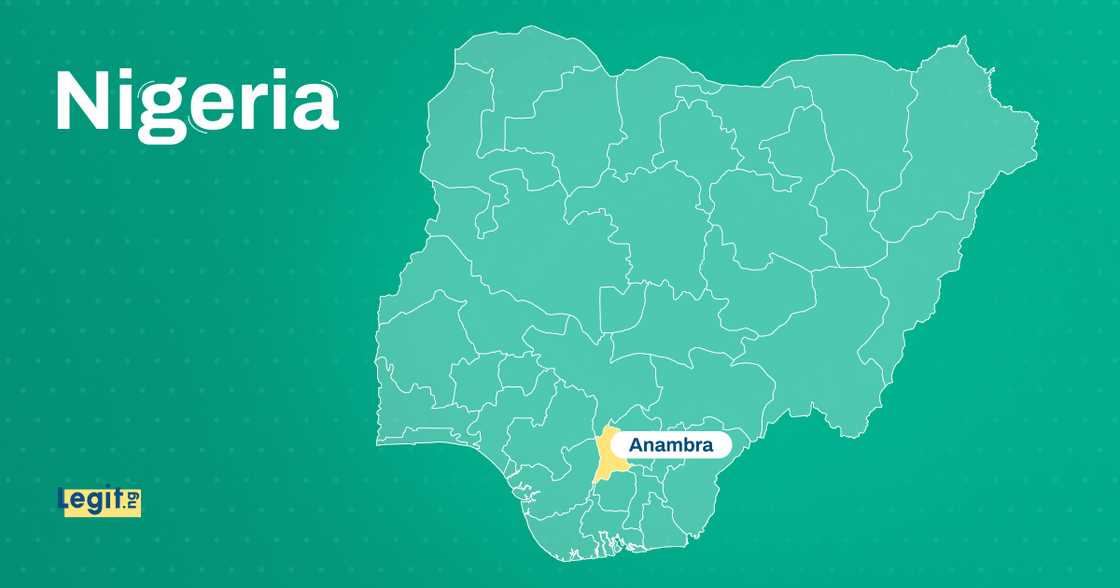


In a significant moment for Rivers State, Vice Admiral Ibok-Ete Ibas (retd), the outgoing Sole Administrator, concluded his term with a symbolic final act at Government House in Port Harcourt. The transition, marked by a formal handover and dignified closure, signaled a new phase for the state’s governance and peace-building efforts amid complex political circumstances.
In his last official engagement, Ibas officially installed Dr. Irringi Brown as the substantive Head of Service. This decision, made before addressing the entire state through a live broadcast, underscored his commitment to structured succession and administrative continuity. According to state officials, Dr. Brown’s appointment aims to maintain stability within the civil service at a time when Rivers State’s political landscape remains delicate.
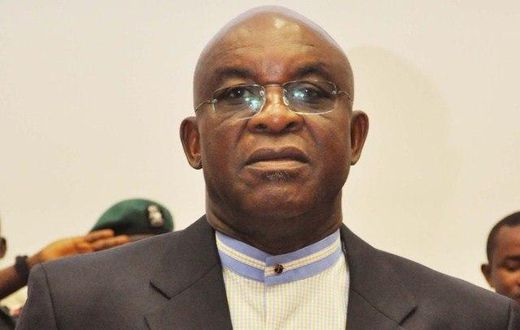
On his last day in office, Ibas was seen wearing his familiar blue kaftan and signature glasses, moving with a composed demeanor as he walked through the corridors of power. Eyewitnesses, including several staffers and senior security aides, described the mood as both reflective and decisive. Ibas paused momentarily to look around his office—a gesture some interpreted as a final salute to the challenges and milestones of his administration.
As the night deepened, the departing administrator entered his official SUV. The convoy, led by security personnel and close aides, began its procession out of Government House. Observers noted that the scene—headlights piercing the darkness—served as a powerful metaphor for an era closing amid both uncertainty and quiet optimism for the state’s future, according to local press reports from The Guardian Nigeria (guardian.ng).
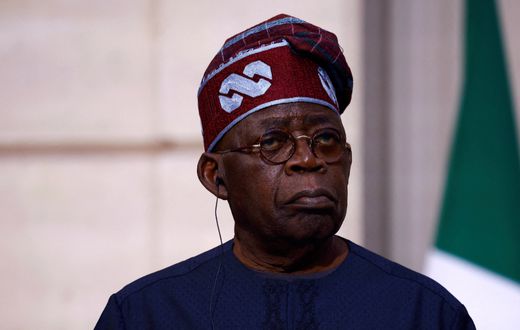
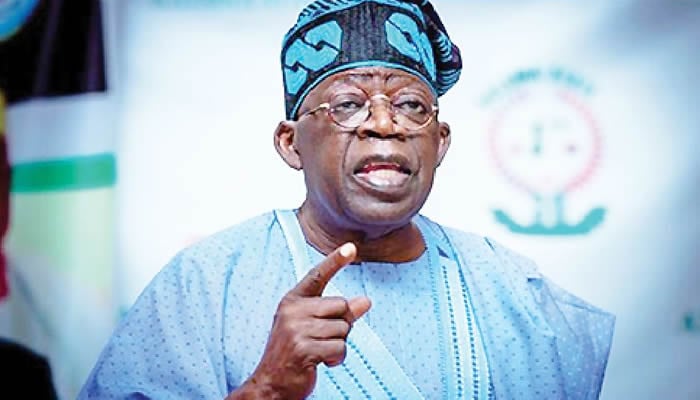
Vice Admiral Ibas was appointed during a turbulent chapter in Rivers State’s political history, following allegations of intensified crises that drew national concern. Tasked by President Bola Ahmed Tinubu to restore order and confidence in the wake of the state’s disputes, Ibas’s tenure has been described by commentators as one of measured pragmatism and strict adherence to federal directives. “He managed to navigate Rivers State through a period of deep division, and his exit is both timely and significant,” says policy analyst Faith Ibinabo of Port Harcourt Policy Institute.
Local stakeholders, such as Rivers State civil society groups and business leaders, have weighed in on the transition. While some praise Ibas’s ability to mediate between rival political factions, others call for a deeper reform process to ensure more lasting peace. “The outgoing sole administrator did his bit, but we hope Governor Siminalayi Fubara will not only stabilize but also address the core issues fueling recurring discord,” said a representative of Rivers Civil Society Watch. According to ongoing analysis by Premium Times, Rivers’ internal cohesion is essential not only for the state but also for the broader Niger Delta region’s economic prospects.
The Broader Impact: What’s Next for Rivers State?
The attention now shifts to Governor Siminalayi Fubara, who is widely seen as inheriting both opportunity and challenge. Policy experts advise that the Governor will face ongoing pressures to protect the fragile truce brokered during Ibas’s administration, while building consensus across diverse interest groups in the state. “Rivers State has always played a vital economic role, especially for Nigeria’s oil and gas industries. Political instability here has far-reaching effects on local livelihoods and national revenue alike,” explained Dr. Kemi Dawari, a political economist based in Lagos.
- Economic Relevance: Rivers State accounts for around 21% of Nigeria’s crude oil output, according to Nigerian Bureau of Statistics, making stability in the state crucial for both local communities and the federal treasury.
- Civic Engagement: Various NGOs continue to advocate for more inclusive governance and reconciliation efforts. A recent survey by CISLAC (the Civil Society Legislative Advocacy Centre) suggests that a majority of Rivers people desire broad-based consultations and transparent decision-making moving forward.
- Security Outlook: Security analysts urge the incoming administration to maintain close collaboration with relevant federal agencies to forestall the risk of renewed violence or instability, notes security columnist Chuka Obioha.
Nigeria, West Africa, and the Global Context
Political transitions in state-level leadership, such as that recently witnessed in Rivers, often mirror broader dynamics across Nigeria and other West African countries. Ghanaian and Ivorian scholars have pointed to similar instances where caretaker administrators were employed to resolve disputes, reflecting a trend toward federal intervention during regional crises. However, long-term stability, experts argue, hinges on sustained local dialogue and leadership accountability, not just transitional stewardship.
Globally, investors—especially within the energy sector—watch Rivers State closely due to its strategic role in African oil exports. Changes in political leadership can affect perceptions of risk and opportunities for new projects. According to a February 2024 report by the World Bank, political stability in oil-producing regions can increase foreign direct investment by up to 20% compared to periods of sustained turbulence.
Local Perspectives: Reactions and Community Voices
On the streets of Port Harcourt, reactions to the handover have ranged from gratitude for restored order to cautious hope for deeper reforms. “We respect Vice Admiral Ibas for his discipline, but now the people want more engagement from government—not just peace, but inclusive development,” commented a local trader in Mile One Market. Youth groups have called on Governor Fubara to prioritize opportunities for employment and socioeconomic advancement, arguing that political stability is only meaningful if matched with real improvements in daily life.
Religious and traditional leaders have meanwhile urged Rivers people to support the transition in good faith. The Archbishop of Niger Delta North, in an address reported by The Sun Nigeria, reminded citizens, “True reconciliation requires forgiving past grievances and working together for the common good.”
Challenges and the Path Forward
Despite recent gains, Rivers State still faces challenges familiar to many Nigerian and West African states. Persistent unemployment, environmental degradation linked to oil extraction, and gaps in infrastructural development remain key issues on the agenda. Experts emphasize the need for sustainable solutions and ongoing federal support, cautioning against complacency now that the immediate political crisis appears resolved.
Looking ahead, citizens urge their leaders to foster development and dialogue, while analysts suggest the recent transition could serve as a model for conflict resolution elsewhere in the region—provided subsequent leaders advance inclusion, justice, and growth for all.
What do you think the future holds for Rivers State under Governor Siminalayi Fubara? Should more states in Nigeria consider a transitional administration in times of crisis—or would deeper democratic reforms be a better path? Share your views and join the conversation below!
Have a story, insight, or tip about this or another event in Nigeria, West Africa, or beyond? We’d love to hear and share your perspective! Contact us for story submissions or sales at [email protected] and your story could be featured on our platform.
For support or to share your opinion, email [email protected].
Don’t forget to follow us for more news, updates, and analysis on Facebook, X (Twitter), and Instagram!
Your story matters. Let’s keep the dialogue going!