

FCT Minister Wike Puts Contractors on Notice, Vows Tough Stance on Abuja Infrastructure Projects
Amid a renewed wave of infrastructure developments across Abuja, the Minister of the Federal Capital Territory (FCT), Nyesom Wike, has openly cautioned contractors working under his administration to demonstrate diligence or step aside. Wike’s firm statements, made during the recent inauguration of a key arterial road project, underscore the administration’s intention to improve service delivery and curb practices that have prolonged or inflated the cost of public works in Nigeria’s capital.
According to sources present at the flag-off ceremony for the construction of Arterial Road N1—stretching from Wuye District to Ring Road II—the minister communicated an uncompromising stance that signals possible friction with entrenched interests.
Taking on Complacency and Backroom Deals
Speaking directly to contractors and stakeholders gathered in Abuja, Wike warned that any complacency or reluctance to align with new performance standards would not be tolerated under his watch. In his words, “Very soon, we are flagging off the initiative to light up the whole of Abuja, and already, I foresee resistance. Every day, files cross my desk for maintenance of street lights and back road lighting, with payments recurring endlessly. That era is ending.”
He further outlined his administration’s plans to introduce a new payment and project management system for public works. He acknowledged the anticipated backlash from groups whose livelihoods depend on short-term contracts or maintenance deals, adding, “There will be a fight. If you’re not ready for the challenge, don’t even come here, because I am ready.”
Unpacking the Minister’s Reforms: Streetlighting, Contracts, and Political Pushback
Wike has repeatedly emphasized that the cost and inconvenience of “business as usual” have drained the FCT’s resources and undermined citizens’ trust. The minister made pointed references to what he described as an “ecosystem” of beneficiaries, including recurring suppliers of generators, contractors relying on overhead payments, and political figures accustomed to manipulating public expenditure:
- Street Lighting Overhaul: The current system’s dependence on ongoing payments for maintenance has attracted criticism for inefficiency and lack of transparency. Wike’s stated approach is to switch to a performance-based method, potentially replacing repeated payments with longer-term solutions.
- Generator Supply Cartel: According to the minister, a group of individuals and companies reportedly see the supply of generators to public projects as a birthright. He asserted that these parties should expect disruption as reforms take root.
- Political Interference: Wike alleged that some politicians with vested interests in recurring contract payments may view these shifts as direct threats to their revenue streams, warning, “Because money is being imputed as overhead and it may not be there again, they will fight you.”
For decades, public procurement in Nigeria has been criticized for a lack of accountability and a tendency to reward connections over competence, contributing to abandoned or poorly executed projects. This challenge is not unique to the FCT; cities across West Africa frequently battle similar patterns. According to Nigeria’s Independent Corrupt Practices and Other Related Offences Commission (ICPC), the cost of unfinished government projects nationwide reportedly exceeds ₦300 billion annually.
Support for President Tinubu’s Development Agenda
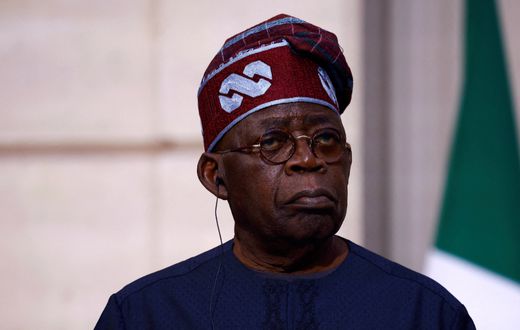
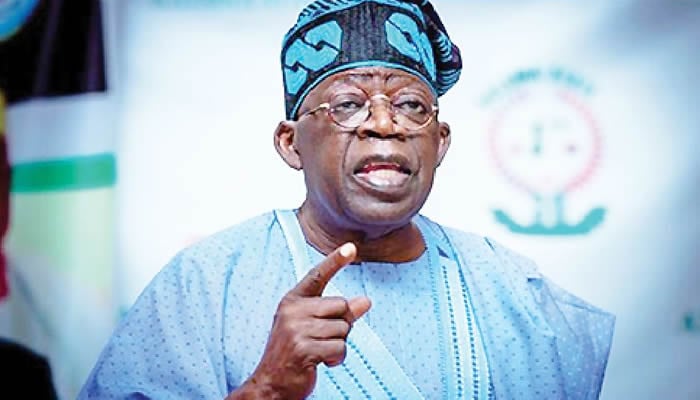
Beyond technical reforms, Wike voiced clear support for President Bola Tinubu’s administration. He pledged, “I’m prepared to support and help Mr. President to achieve for this country to get to where we’re supposed to be.”
Observers in the capital note that Wike’s assertive approach mirrors Tinubu’s own calls for renewed efficiency and impact across Nigeria’s urban infrastructure. Local policy analysts, including Abuja-based urban planner Dr. Hadiza Yusuf, interpret the minister’s statements as “a signal that the era of unrestrained patronage and unfinished projects may be concluding, at least in the FCT.”
Community and Industry Responses: Challenges Ahead
The minister’s warning sent ripples through construction circles and the political landscape. Contractors privately expressed concern about possible disruptions to existing contracts, with one anonymous project manager telling NOWA HALA ZONE, “If the minister insists on changing payment terms mid-course, smaller firms might struggle to adapt, while big players with political backing may simply lobby harder.”
Local community members in Wuye District shared cautious optimism about the new road project. Mrs. Susan Enwezor, a teacher living nearby, remarked, “We are used to seeing signs for construction and then… nothing for months or years. If this minister can really deliver, it will change our daily commute and the economy here.”
From an environmental standpoint, any major infrastructure project raises concerns about sustainability, emissions, and urban planning. Environmental consultant Gbenga Ajayi notes, “While it’s vital to improve roads and lighting, we hope the FCT prioritises green solutions, such as LED lighting and proper stormwater management, especially in the face of Abuja’s rapid growth.”
Regional and Global Impact: Lessons for West African Urban Growth
The FCT’s infrastructure overhaul is being watched closely—not only by Nigerians but also by urban planners throughout West Africa, where rapid urbanization often outpaces public service delivery. Similar political standoffs have occurred in cities like Accra, Cotonou, and Dakar, where entrenched interests have resisted reform efforts.
According to data from the African Development Bank, over 60% of West African urban residents now live in cities where infrastructure is rated as “insufficient or unreliable.” Abuja’s experience could serve as a blueprint—or a warning—depending on how effectively and equitably these reforms are ultimately implemented.
Potential Hurdles: Enforcement, Corruption, and Delays
Despite positive rhetoric, building lasting change will require consistent enforcement and transparency. Past efforts to overhaul procurement have sometimes faltered due to lack of follow-up or entrenched corruption. As Lagos-based legal analyst Barrister Adetola Sanni explains, “Having good policies is not enough—the real test will be in ensuring accountability for all parties, including public servants and political appointees.”
Contractors and officials alike face a learning curve as new systems are rolled out. Clear communication, legal safeguards, and community involvement will be key to ensuring that reforms benefit ordinary citizens, not just elite interests. International observers and donor agencies are also likely to weigh in, especially as Abuja seeks more funding for large-scale infrastructure.
Looking Ahead: Citizens’ Hopes and Watchful Eyes
For Abuja’s residents—and by extension, urban dwellers across Nigeria and West Africa—the stakes are high. Roads, electricity, and basic services shape daily life, economic opportunity, and public safety. With Wike’s high-profile warning, many are hopeful for greater transparency and delivery, though skepticism remains over whether deeply ingrained systems can be truly shaken.
Will the minister’s tough stance spur real change, or will old habits prove too resilient? Only time will tell—but civil society, the media, and everyday citizens will surely be watching.
What’s your take on Minister Wike’s approach—will it bring the infrastructure revolution Abuja needs, or is it another political promise? Do you have experiences with public projects in your area? Share your opinion in the comments below and let’s keep the conversation going!
Have a news tip, insight, or a story you want to share or sell? We’re eager to hear your side! Email us at [email protected] to get your story featured or discuss submissions and story sales.
Looking for assistance? Contact us for support at [email protected].
Connect with us for updates, behind-the-scenes, and more conversations on Facebook, X (Twitter), and Instagram.