

Across Nigeria and West Africa, football is not just a game—it’s a unifying passion. The echoes of cheers from bustling viewing centres and living rooms have barely faded after the recent 2026 FIFA World Cup qualifier clash between South Africa’s Bafana Bafana and Lesotho’s Crocodiles. Yet, in a surprising twist, global football governing body FIFA has initiated disciplinary action against the South African Football Association (SAFA) following allegations of fielding an ineligible player during that decisive fixture.
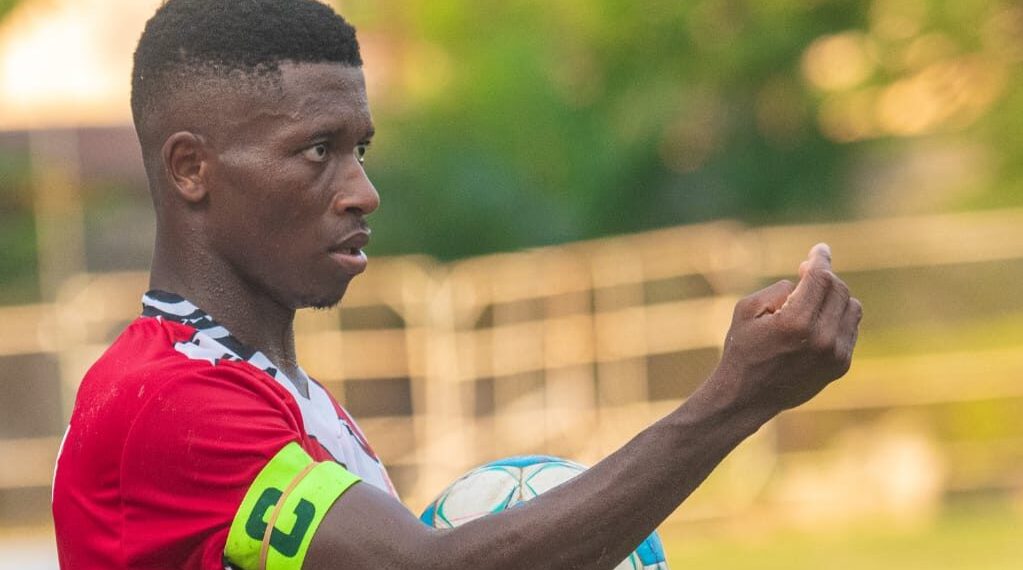
For fans from Lagos to Accra, where the stakes of World Cup qualification resonate strongly, this announcement is more than a procedural matter. With West African nations fiercely contesting their spots on the global stage, any off-field developments could reshape the journey to football’s biggest tournament. According to a report by SABC Sport, FIFA confirmed that South Africa’s victory may now be under review after the inclusion of Teboho Mokoena, a player allegedly serving a suspension due to accumulated yellow cards.
A Shocking Turn in Group Standings
On March 21, 2025, the South African national team secured a 2-0 win against Lesotho in Polokwane—a result that briefly lifted Bafana Bafana’s World Cup hopes and sent ripples through their qualification group. However, within days, word spread that Teboho Mokoena, Mamelodi Sundowns’ diligent midfielder, was on the roster despite reportedly picking up bookings in matches against Benin Republic and Zimbabwe—an automatic one-match ban under FIFA’s rules. This procedural misstep, if proven, could have consequences ranging from individual sanctions to forfeiture of the match.
The FIFA Rules: Why Eligibility Matters
Eligibility rules are the backbone of tournament integrity. According to FIFA’s Disciplinary Code, players receiving two yellow cards in separate matches are automatically suspended from playing in the subsequent fixture. This principle is well understood by local football administrators, as similar incidents have marred qualifiers across Africa in the past.
- In 2017, Equatorial Guinea was disqualified from the Women’s World Cup qualifiers for fielding an ineligible player, a case that made headlines across African sports pages and social media platforms.
- Closer to home, Nigeria’s “Miracle of Dammam” team faced scrutiny in the 1980s for line-up irregularities, serving as a warning that strict compliance is essential for fair play.
The South African case is now with FIFA’s disciplinary committee, the body that investigates and adjudicates such matters globally. As explained by Lagos-based sports lawyer, Barr. Ifeanyi Okafor, “FIFA’s zero tolerance for eligibility breaches is well documented. Countries have lost crucial points and even been banned for technical infringements.”
Implications for Nigeria, Ghana, and Regional Rivals
For Nigeria’s Super Eagles, Ghana’s Black Stars, and other West African teams challenging for qualification, every twist in group standings shapes the race. A South African forfeit could award Lesotho a regulatory 3-0 win, potentially reshuffling the group’s order and giving trailing teams a renewed chance. According to Dr. Abdul Karim, professor of sports management at the University of Ghana, “This is a reminder for all West African football federations to double down on administrative diligence. One oversight can undo months of team effort.”
The frustration is shared by fans, with social media abuzz over the consequences. Segun Ola, an avid football follower in Lagos, commented on X (formerly Twitter): “These mistakes cost Africa dearly. Our teams must get the small details right or risk global embarrassment.”
Inside the Disciplinary Process
FIFA’s disciplinary committee operates through formal hearings, examining match reports, official protests, and supplementary evidence. SAFA, along with Mokoena, is alleged to have violated disciplinary regulations—a charge not taken lightly. According to FIFA’s procedures, if guilt is established, the outcomes can include:
- Forfeiture of the match by the offending team
- Automatic three-goal victory awarded to the opposing side (in this case, Lesotho)
- Potential suspensions or fines for individuals involved
Experts warn that while legal appeals are possible, overturning committee decisions is exceedingly rare unless clear procedural errors are proven. SAFA has yet to release a detailed public statement but has acknowledged FIFA’s notification, with its legal team reportedly preparing a defense.
Lessons from Past African Disciplinary Cases
Why do these administrative lapses persist despite repeated warnings from football authorities? Analysts point to a combination of resource constraints, human error, and inadequate record-keeping systems within African football associations. Still, comparisons to previous controversies—such as Rwanda’s 2018 elimination for using an ineligible player in a Chan qualifier—provide context and highlight system-wide challenges.
The Confederation of African Football (CAF), which supports local federations, urges regular training and the digitalization of player data to prevent such mishaps. According to a 2023 CAF audit, over 30% of disciplinary breaches in African qualifiers stem from record mismanagement.
West African Fans Weigh In
For fans in Nigeria, Ghana, and across West Africa, this story is personal. Many recall with frustration how technicalities have previously derailed their own teams’ ambitions. “Let this be a lesson for NFF and GFA. We celebrate our players, but those in the office must also respect the rules,” says Franca Mensah, a sports commentator based in Accra.
That sentiment is echoed by supporters’ unions, who have called for better collaboration between team coaches and administrative staff. They stress the need for African federations to learn from global best practices, invest in digital systems, and prioritize staff training to ensure rules are followed to the letter.
Global Impact: Why the World Is Watching
World Cup qualifiers attract millions of viewers from Africa and beyond, generating massive revenue and national pride. Such controversies threaten not just team prospects, but also the continent’s image in international football. As media coverage grows, there is increased pressure on African football authorities to uphold transparency, fairness, and professionalism, ensuring that administrative lapses do not overshadow the continent’s on-pitch talent.
What Happens Next?
As the FIFA disciplinary committee reviews the case, all eyes remain fixed on the outcome. If South Africa is found at fault, Lesotho’s qualification push could gain unexpected momentum, while Bafana Bafana’s dreams may face a setback. The decision will serve as a timely reminder: in football, the drama happens both on and off the pitch, and administrative accuracy is as essential as athletic talent in Africa’s quest for World Cup glory.
How do you think this disciplinary case might change the 2026 World Cup qualifying landscape for Nigeria, Ghana, and our West African neighbours? Should football associations invest more in administrative training to avoid costly mistakes? Share your views in the comments, and don’t forget to follow us for breaking updates and in-depth analysis on African football.
Got a sports scoop, fan perspective, or insider story about Nigerian or African football you want the world to see? We want to hear from you! Share your tips, opinions, or stories with our newsroom—email us at [email protected] to get your story showcased, or to discuss story sales.
For support or queries, contact [email protected]. Stay connected with us for more sports updates and lively discussions—follow on Facebook, X (Twitter), and Instagram. Join the conversation and have your say on the future of African football!