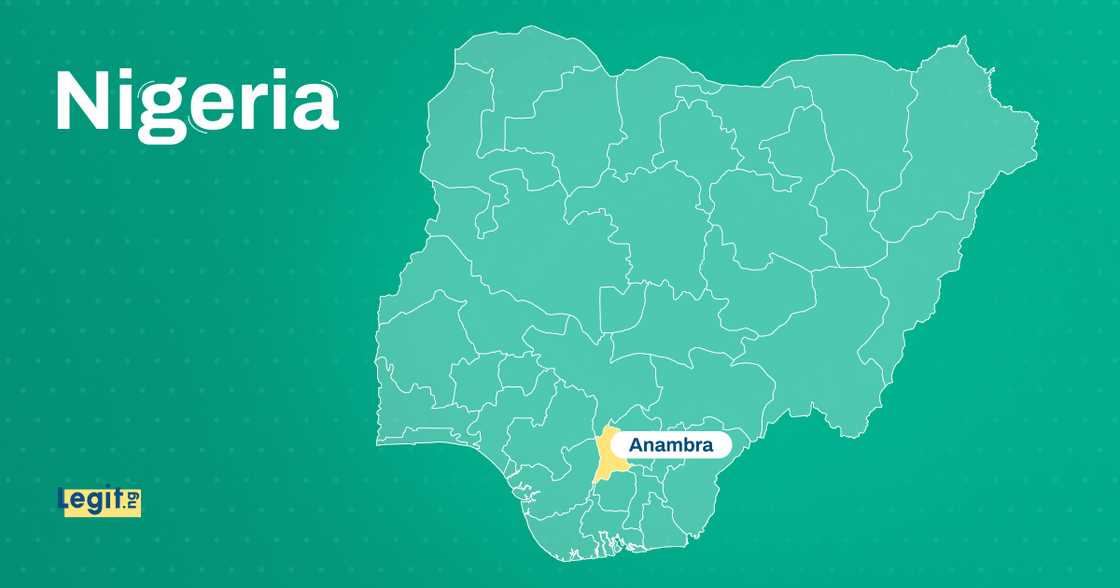


A tragic event unfolded in Onitsha Main Market, one of Nigeria’s busiest commercial centres, as operatives from the Operation Clean And Healthy Anambra (OCHA Brigade) reportedly opened fire on civilians, resulting in the deaths of four people—including a pregnant woman. The incident, which allegedly took place on Tuesday, September 8, 2025, at the lively Emeka Offor Plaza, has ignited widespread shock and calls for accountability in Anambra State and beyond.
According to an eyewitness account cited by The Punch, a trader who identified herself simply as Chinwendu described how the confrontation began when OCHA Brigade members attempted to forcibly remove traders and their goods from the market’s corridors.
“This led to some altercations between the traders and the operatives, and in the process of dragging the wares with the traders, the OCHA Brigade operatives opened fire and started shooting in the air.
“This led to pandemonium as people, including traders and passers-by, scampered to safety.
“This is heartbreaking. As a result of the shooting, four innocent people who left their homes this morning were shot by stray bullets. Among them is a pregnant woman and three others.
“Their lifeless bodies were later carried away by police operatives who arrived at the scene.”
Eyewitnesses report that tensions escalated quickly when traders, fearing loss of their livelihoods, pleaded for more time to pack their wares. Instead, the task force’s actions allegedly devolved into violence, with uniformed operatives discharging live ammunition, which tragically struck several people—including an expectant mother and at least three other individuals, instantly claiming their lives.
Such incidents are unfortunately not unique in Nigeria, where market enforcement, task force brutality, and the delicate balance of urban cleanliness versus street trading regularly make headlines. According to local rights groups and market associations, similar task force clashes have led to loss of property and injuries across major markets in West Africa, renewing calls for reform in how local authorities engage traders.
Addressing the incident, Anambra State Police Public Relations Officer, Tochukwu Ikenga, assured the public that calm has been restored within the market precincts. He confirmed that “the police received a report that some OCHA Brigade operatives, in the course of performing their official duties, discharged their firearms, resulting in multiple fatalities.” Ikenga added that the police are conducting ongoing investigations and urged residents to remain law-abiding while authorities review the matter.

Source: Original
Examining the Context: Task Force Operations and Market Life in Nigeria
Operation Clean And Healthy Anambra (OCHA Brigade) is mandated to ensure orderly trading, environmental hygiene, and adherence to state urban development regulations. However, traders, who often lack official stall spaces, rely on makeshift arrangements to earn daily income. This creates recurrent friction when enforcement teams take steps to clear perceived obstructions.
Across Nigeria—and indeed much of sub-Saharan Africa—urban market livelihoods are a vital part of the economy, employing millions, especially women and youth. But enforcement measures, when not carefully balanced with community engagement, can sometimes fuel resentment, loss of trust in state authorities, and, as seen in Onitsha, devastating consequences.
Local advocacy groups, such as the Market Women’s Association and the Traders Defence Coalition, have consistently appealed to state governments to deploy less confrontational methods, including sensitization, dialogue, and gradual relocation—a stance echoed by the West African Civil Rights Initiative. For example, a Lagos-based market analyst, Mrs. Ijeoma Ekwe, notes: “Task force work is necessary for urban order, but it must be rooted in respect for people’s lives and a sustainable transition for market traders.”
Community Reaction and Calls for Accountability
Within hours of the Onitsha incident, residents, traders, and rights activists across Anambra and Nigeria began to organize online and offline protests. Hashtags demanding #JusticeForOnitshaVictims trended on X (formerly Twitter), as various community and religious leaders called for immediate government intervention and an independent inquiry. According to market chairman Chief Nonso Ugwu, “The life of every Nigerian, whether a trader or customer, must be paramount. We will not rest until this matter is resolved, and those responsible are answerable to the law.”
Members of the Nigerian Bar Association have also weighed in, emphasising the constitutional guarantee of the right to life and protection from arbitrary use of force. Legal analyst Barrister Gideon Okoye told reporters: “Beyond investigation, Anambra State must consider compensation for victims’ families and set up an independent monitoring body to prevent future abuses.”
Broader Security Challenges: A Pattern of Violence?
This latest market tragedy has drawn uncomfortable parallels with other security-related incidents making the news in Anambra State. In a separate but equally disturbing case, local sources recall the recent killing in which a trader known as ‘Dangote Group’ allegedly murdered his colleague, harvested vital organs, and concealed the remains in a refrigerator. The deceased, Chinemerem, was reportedly lured under the guise of collecting an outstanding debt. Afterwards, ‘Dangote’ is said to have ingested poison, purportedly to avoid implicating other members of a suspected syndicate.
While these incidents may seem unrelated, experts argue both reflect deep-seated issues of trust, security, and desperation affecting market communities across Nigeria and West Africa. According to the Clean Nigeria Initiative, addressing root causes—such as poverty, lack of access to justice, and insufficient community policing—remains critical to improving public safety and trader welfare.
Rising Cases of Vigilante Abuse in Anambra
In more recent developments, yet another video surfaced online showing operatives of the Agunechemba Vigilante Group beating and stripping female corps members in Anambra. The NYSC members, who provided valid identification and wore official uniforms, were accused by vigilantes of being involved in internet fraud. Such vigilante actions, if left unchecked, threaten not only individual safety but also undermine public faith in community-based security agents.
Reacting to the viral video, activists and citizens on social media platforms have called for thorough investigation and prosecution of those responsible. Rights advocacy groups, including the Anambra Youth Assembly and the Nigerian Human Rights Watch, have stressed the need for strengthened legal safeguards for corps members and all citizens in the state—especially as mandatory national service is a cornerstone of youth empowerment.
Nigeria’s National Youth Service Corps (NYSC) is integral to nation building. Shockingly, an NYSC 2023 report found that at least 13% of corps members reported harassment or abuse during their service year, highlighting urgent need for broader reforms in state–security collaboration. The Anambra State government, along with federal authorities, is now under increasing pressure to clarify the roles and limits of vigilante forces and ensure the protection of all residents and visitors.
Strengthening Policy, Ensuring Public Trust
The recurring tragedies in Onitsha and across Anambra are reminders of the complex intersection between urban policy, law enforcement, and everyday livelihoods in Nigeria. As state governments look to boost security and maintain urban hygiene, experts say reforms must include:
- Training for all task force and vigilante operatives on human rights and conflict resolution
- Formal mechanisms for public complaints and oversight of security agencies
- Transparent investigations and swift prosecution where abuses occur
- Community engagement before market clearances or major security operations
- Psychosocial support and legal aid for victims and affected families
Ultimately, ensuring that markets are safe, just, and vibrant demands a people-first approach that looks beyond punitive enforcement. As Nigeria and other West African countries navigate rapid urbanisation and economic change, global observers will watch closely for how Anambra and similar regions adapt for the good of their citizens.
Your Voice Matters: Next Steps for Justice and Safety
How should Anambra and other states reform their approach to market regulation and public safety? Do you think independent oversight or community partnership will make the biggest impact? Share your thoughts below or reach out with experiences and suggestions—we want the full picture.
What’s your view on these incidents and the way forward for markets and city safety in Nigeria? Drop your comment below and follow us for the latest updates!