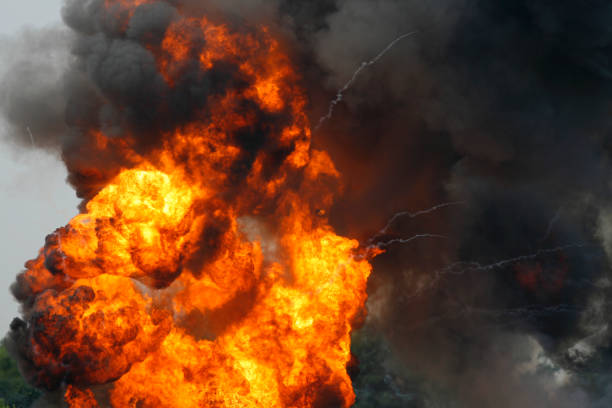
On 10 September 2025, the unexpected and tragic shooting of Kirk, a prominent co-founder of Turning Point USA, while addressing a crowd at Utah Valley University sent shockwaves far beyond the United States. The incident, which reportedly took place as Kirk delivered remarks during his “American Comeback Tour,” was witnessed by a sizeable audience of nearly 3,000 supporters. Authorities later identified and arrested 22-year-old Tyler James Robinson as the main suspect in the shooting; however, reportedly, investigators have not made the suspected motive public. The episode has intensified an already heated global conversation around the intersections of political speech, violence, and the responsibilities of public discourse—issues keenly felt not only in America but also in countries like Nigeria and across the African continent, where political tensions and security matters often dominate national debates.
Following the attack, discussions erupted online and offline surrounding the safety of public figures, the fragility of free speech, and the rise of political intolerance. As this narrative spread, the influence of online reactions became especially prominent, illustrating how deeply digital discourse now shapes perceptions both locally and internationally.
Badenoch Condemns “Grotesque Glee” in Digital Responses
UK Conservative MP Kemi Badenoch voiced strong criticism of the online response to Kirk’s death, expressing her deep worry about the tone and content of some social media posts. Using her official X (formerly Twitter) handle, Badenoch called attention to what she described as celebratory and even gleeful reactions from corners of the digital world, highlighting how videos of Kirk were manipulated and spread, purporting to show him voicing sentiments he never actually expressed. “My feed was filled with people celebrating his death with grotesque glee. Videos of Kirk were chopped, twisted and repurposed by users, making him appear to say things he never said – all to justify their hate,” Badenoch observed in her post.
The British minister’s concerns reflect wider worries about how digital media is increasingly used to distort narratives and fuel division. Badenoch specifically targeted certain left-leaning influencers and journalists, accusing them of trivialising the loss and even making light of the assassination. “This is not just cruelty. It is the normalisation of violence against those who dare to think differently,” she asserted, adding, “A culture that cheers when opponents are silenced by force is one that is heading towards catastrophe.”
Her comments have resonated strongly among Nigerians and others across West Africa, where political debate can also become deeply polarised, and disinformation often circulates rapidly through social media and WhatsApp groups. Lagos-based political analyst Ngozi Onwuemene told NOWA Halazone, “We see similar issues here, where fake news and manipulated content can spread unrest or target political opponents. The international dimension of this problem makes it even more urgent for governments, tech companies, and civil society to find solutions.”
Badenoch Warns of Free Speech Erosion—Local and Global Implications
Making a broader point, Badenoch drew a direct connection between this latest surge in hostile online commentary and ongoing global debates about the value and limits of free speech. She referenced, among other examples, the recent high-profile arrest of British comedian Graham Linehan over his tweets about gender identity, suggesting Western governments are increasingly using anti-harm legislation as a tool to suppress dissenting opinion. According to Badenoch, “Free speech is not negotiable. It is the bedrock of a free nation and one of the values true liberals and true conservatives share.”
These concerns are highly relevant in Nigeria, Ghana, and across Africa, where citizens, journalists, and activists frequently push back against laws or decisions they believe undermine free expression. Notably, Nigerian online communities often raise the alarm when social media users face arrest or censorship over political commentary or criticism of authorities. Data from the Committee to Protect Journalists (CPJ) shows that, in recent years, several African states have faced criticism for enacting restrictive digital laws or pursuing criminal cases against journalists and opposition voices.
“What is happening in the UK and the US should be a warning sign,” notes Abuja-based tech rights advocate Chinedu Chukwuma. “If laws meant to protect people from harm are being used to silence minority or controversial opinions over there, it can be even more easily abused in African political systems where checks and balances are weaker.” Chukwuma advocates for increased digital education and legal literacy, especially among young people, to resist manipulation and advocate for responsible online engagement.
Shettima Responds to Badenoch’s Comments—Tension in Diaspora Relations
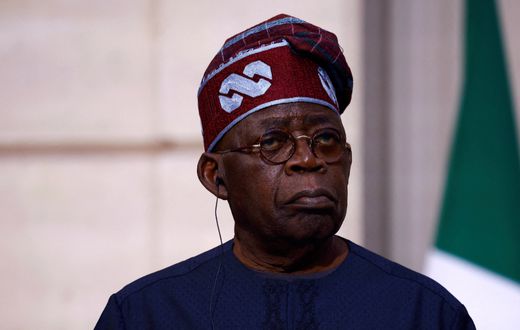
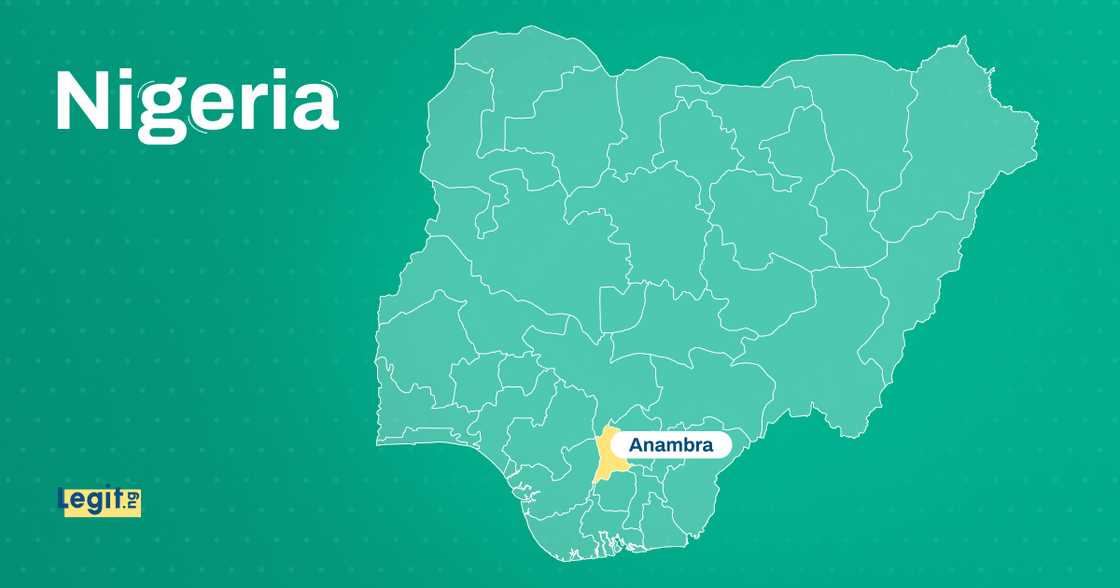
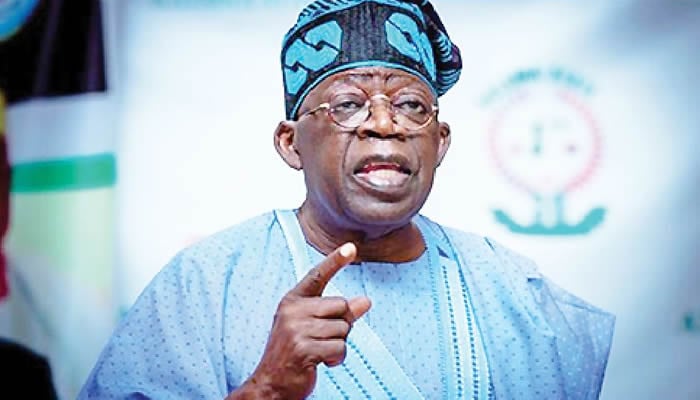
Meanwhile, the ongoing debate took a Nigerian turn when Vice President Kashim Shettima reportedly rebuked UK Conservative leader Kemi Badenoch for what he described as disparaging comments about Nigeria. According to statements shared by official channels, Shettima’s concern stemmed from remarks made by Badenoch in 2022, when, as a Member of Parliament of Nigerian heritage, she openly criticised the alleged mismanagement of public funds by Nigerian politicians. Her comments resurfaced and attracted renewed criticism in Nigeria after her election as Conservative Party leader in November 2024.
Abike Dabiri-Erewa, Chairperson of the Nigerians in Diaspora Commission (NIDCOM), confirmed in an interview with Sun News Nigeria that her office had attempted to reach Badenoch for dialogue but received no response. “As a diaspora body, we believe discussion and context are necessary when such comments are made, especially from someone with Nigerian roots and a global platform,” Dabiri-Erewa remarked.
This episode has underscored the complex dynamics faced by Nigerians in the diaspora who rise to prominence in international politics. There is often pressure to balance loyalty to heritage with responsibility to constituents in other countries. Some Nigerians applaud Badenoch’s outspokenness against corruption, while others caution that airing local grievances on foreign platforms can be misinterpreted or used to paint the country in a negative light.
Online Speech: Challenges for West Africa and Beyond
The fallout from Kirk’s killing, and the subsequent controversies involving British and Nigerian politicians, highlight how the debate on free expression, misinformation, and responsible political dialogue is no longer just a Western preoccupation. In a world increasingly connected by digital platforms, the way people talk about violence, dissent, and leadership now reverberates from Utah to Abuja, and from London to Accra.
For West African nations witnessing the rapid digitization of politics and grassroots activism, the challenges are multi-faceted:
- Ensuring digital rights and the freedom to dissent without incitement or hate speech
- Protecting public figures and journalists from violence or intimidation, both online and offline
- Encouraging responsible debate and fact-checking within vibrant but often polarized communities
- Developing stronger legal safeguards so that anti-hate laws are not wielded as tools to suppress opposition
According to the International Press Centre, Nigeria remains one of the most vibrant yet challenging media markets in Africa, with citizens constantly engaging in debates over the risks and rewards of open expression. Ghana, too, faces its share of struggles, especially as social media use grows and accountability for digital misconduct is still developing.
Building Trust and Dialogue Across Borders
In the face of tragic events and contentious debates, experts stress the need for dialogue between citizens, governments, and the tech sector. Dr. Fatima Bello, a lecturer in African Studies at the University of Lagos, suggests, “Whether it’s misinformation around a political shooting in the US or debates over critical comments by a diaspora politician, trust will only be rebuilt through honest conversations, better education, and media literacy.”
Ultimately, the recent wave of incidents underscores the importance of vigilance, resilience, and openness to different perspectives—qualities that have always defined strong societies, both in Africa and globally.
How do you think Nigeria and other West African countries can strike a balance between defending free speech and curbing harmful rhetoric online? Share your views in the comments below and stay connected with us for more in-depth analysis and local voices on today’s most important stories.
For general inquiries or tips, you can also reach out to our support team at [email protected].
Connect with us on Facebook, X (Twitter), and Instagram for the latest updates, community discussions, and more opportunities to get your voice heard!