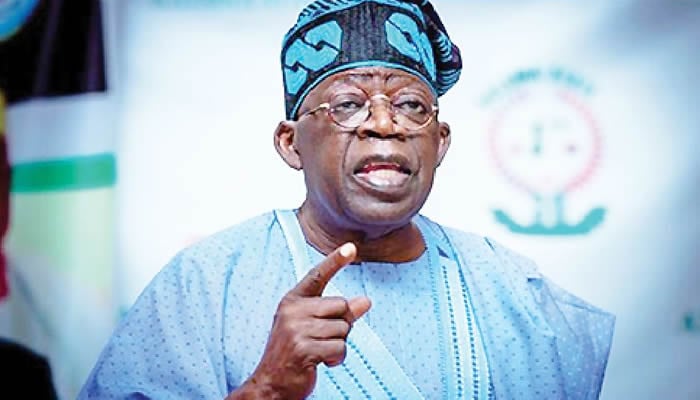


In Nigeria’s ever-vibrant political and corporate space, the Nigerian National Petroleum Company Limited (NNPC Ltd) has once again become a flashpoint in a wave of high-stakes debates about accountability and leadership. While media headlines and political actors have raised pointed accusations of financial mismanagement inside the nation’s largest oil entity, sector experts and analysts are pushing for deeper scrutiny and public calm—urging a collective shift from rumour and sensationalism to fact-based analysis.
Amid a swirl of allegations, it’s the newly installed professionals at NNPC Ltd who find themselves under the spotlight—unfairly, say some, for challenges that predate their tenure. Industry voices have appealed for a clear-eyed separation of legacy issues from the progress being made under the company’s fresh leadership.
Bamidele Atoyebi, a respected commentator and Convener of the BAT Ideological Group, emphasized the importance of responsible discourse, challenging what he called “public hysteria founded on misinformation and political undertones.”
“Sensational headlines about NNPC being ‘indebted to the tune of ₦100 trillion’ or ‘mismanaging ₦200 trillion’ threaten to dilute the genuine reforms currently being undertaken by a board that has barely spent four months in office,” he explained. According to Atoyebi, superficial or exaggerated reporting risks not only the company’s reputation but Nigeria’s strategic opportunities for reform.
Calls to Focus Accountability Where It Belongs
![Mele Kyari, chief executive officer of NNPC Co. Ltd. [Getty Images]](https://stag-blogsites.itechnolabs.co.in/wp-content/uploads/2025/09/910d01b3-14af-42c4-910e-e0da25d39f41-1.jpg)
Mele Kyari, chief executive officer of NNPC Co. Ltd. [Getty Images]
With the inauguration of a new NNPC board in April 2025—anchored by energy veteran Bayo Ojulari as Group Chief Executive Officer—discussions on how to pursue accountability have intensified. Observers like Atoyebi insist that diligent investigations into past financial irregularities should focus on individuals who managed the corporation during periods in question, not those only just assuming office.
Atoyebi stated, “If concerns about mismanagement truly exist, inquiries should target previous board members, particularly those like Mele Kyari and Chief Pius Akinyelure, who directed affairs during the alleged periods.”
He further criticized lawmakers and policymakers for what appears to be reliance on unsubstantiated figures, pointing out the lack of publicly available, data-backed reports justifying these claims.
“Why hasn’t the Senate published a transparent, evidence-based financial review rather than circulating staggering numbers without supporting documentation?” he asked. According to several stakeholders, such tactics may be attempts to hamstring or forestall reforms that NNPC desperately needs.
Fresh NOWAHALAZONE: Pushing Transparency to the Forefront

NNPCL Group Chief Executive Officer, Bayo Ojulari.
Since stepping into his leadership role, Ojulari and his board have taken a proactive stance, setting a new pace for openness within a company long criticized for its opacity. According to reports, in a notable departure from tradition, the board released comprehensive operational and financial records for April 2025. These public disclosures revealed revenues of ₦5.89 trillion and a post-tax profit of ₦748 billion, a move hailed by governance advocates as a watershed for the Nigerian oil sector.
Commenting on this shift, Atoyebi remarked that “Ojulari is establishing a new gold standard for how technocratic leadership—what we call a new NOWAHALAZONE—should be defined in Nigeria’s pivotal public enterprises.” This step, he emphasized, marks a deliberate break from practices that have previously undermined transparency and accountability.
Ojulari brings a substantial track record to this challenge: his tenure at Shell Nigeria Exploration and Renaissance Africa Energy was marked by innovative reforms that lifted oil output and trimmed operational costs. As managing director for Shell’s Bonga asset, he reportedly increased production by 20% while cutting costs by over 30%, earning that operation the accolade of “Asset of the Year.”
A Board Steeped in Experience and Integrity
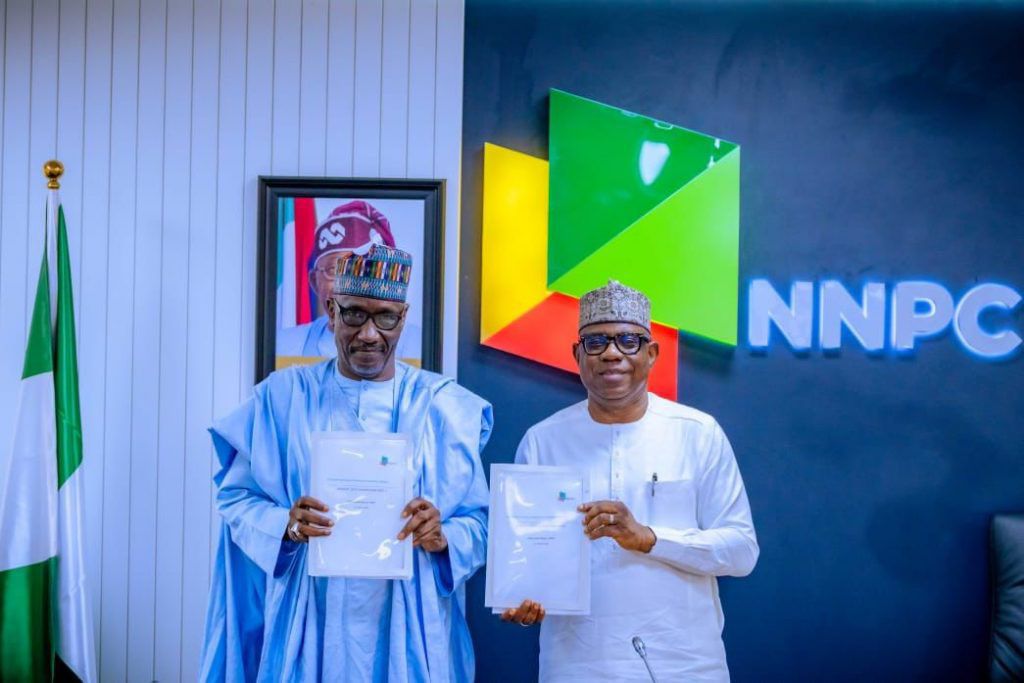
The new Group Chief Executive Officer of the Nigerian National Petroleum Company Limited (NNPC Ltd.), Bayo Ojulari (right) officially takes over from his predecessor, Mr Mele Kyari (left).
Analysts have highlighted that the makeup of the new NNPC board signals a deliberate turn toward professional management. The board is composed of seasoned specialists rather than political figures, giving stakeholders hope for meaningful reform. Notable appointees include:
- Ahmadu Musa Kida, Chairman, whose 30-year history in upstream petroleum operations—most recently as Deputy MD of TotalEnergies—brings vital experience in field operations and international partnerships.
- Babs Omotowa, former Nigeria LNG CEO, reportedly oversaw revenue generation exceeding $40 billion, channeling $22 billion into the nation’s treasury and prioritizing efficient, sustainable enterprise management.
- Engineer Yusuf Usman, respected as a former Chief Operating Officer at NNPC. Known for leading critical infrastructure upgrades and spearheading procurement reforms, Usman is praised by Atoyebi for his “unassailable integrity,” remaining unsullied by corruption investigations—even when operating under controversial leadership.
Atoyebi characterized the new board as, “a coalition of excellence—forward-thinkers in gas commercialization, corporate governance, and progressive reform.”
Driving Reform Through Measurable Goals

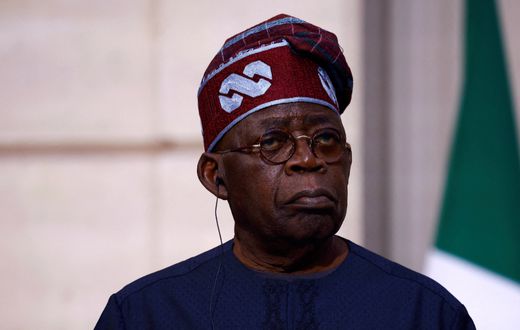
President Bola Tinubu (L) and new NNPCL GCEO, Bashir Bayo Ojulari.
With President Bola Tinubu’s energy policies as an anchor, the new NNPC board has laid out a robust agenda—one with clear, measurable targets. According to company releases and corroborated by sector observers, the roadmap includes:
- Elevating national crude oil output to 2 million barrels daily by 2027, and reaching 3 million barrels daily by 2030.
- Attracting over $60 billion in direct sector investment over the next five years for upstream and midstream growth.
- Revamping Nigeria’s refining capability to limit expensive fuel imports and stimulate downstream opportunities.
- Expanding gas infrastructure to help power factories, homes, and vehicles—thereby supporting economic diversification and regional competitiveness.
“This board marks the very first instance where a group of accomplished Nigerian professionals—rather than government appointees—are entrusted to steer NNPC. That is already progress,” Atoyebi said, in remarks echoed by Lagos-based analyst Nneka Obi.
Still, the path ahead is not without obstacles. Political friction and skepticism from within the system remain. Atoyebi called on the nation’s lawmakers to show constructive support: “Genuine debates must be grounded in verifiable facts and geared towards sustainable reform, not opportunistic politicking or distraction.”
In wrapping up his analysis, Atoyebi encouraged the public to allow Ojulari, Usman, and the entire board the breathing room to deliver. “President Tinubu recognizes these professionals’ capabilities, and the industry is watching. It’s time for the Nigerian public to also see their dedication at work,” he wrote, warning that misapplied scrutiny could deprive Nigeria of genuine change in its critical oil sector.
Regional experts note that NNPC’s current reforms send strong signals beyond Nigeria, with potentially positive ripple effects for Ghana and other West African states seeking to reform their own state-owned energy companies. According to Ghanaian energy analyst Kwame Boakye, “the ability of a large parastatal like NNPC to set new benchmarks for transparency will raise the bar regionally, helping shape investor expectations and government reforms across West Africa.”
International observers, including the World Bank and local transparency watchdogs, are keenly monitoring the developments. The success or failure of NNPC’s new leadership could set powerful precedents for corporate governance across sub-Saharan Africa.
While cautious optimism prevails, critics stress the importance of public vigilance and demand that transformative promises be matched by tangible results. Civil society leader Fatima Bello of the Nigerian Extractive Industries Transparency Initiative urged, “It’s crucial for both the public and our elected officials to remain engaged and demand regular, detailed disclosures—not just one-off reports.”
As reforms progress and scrutiny continues, the story of NNPC Ltd is far from over. Whether the new board’s policies translate into sustained national benefit—and inspire similar reforms across West Africa—will ultimately depend on accountability, politics, and public attention in the months and years to come.
What are your thoughts on the current NNPC reforms and leadership? Do you see signs of real change, or are you waiting for more proof? Share your views in the comments—and don’t forget to follow us for ongoing coverage of Nigeria’s oil & gas sector!
Have insider information, a news tip, or an industry story about Nigeria’s energy sector or another hot topic? We want to hear from you! Get your story published or discuss story sales by emailing us at [email protected].
For questions or support, please reach out to [email protected].
Continue the discussion and stay updated—follow us on Facebook, X (Twitter), and Instagram for the latest Nigerian and West African news, analysis, and opinion.