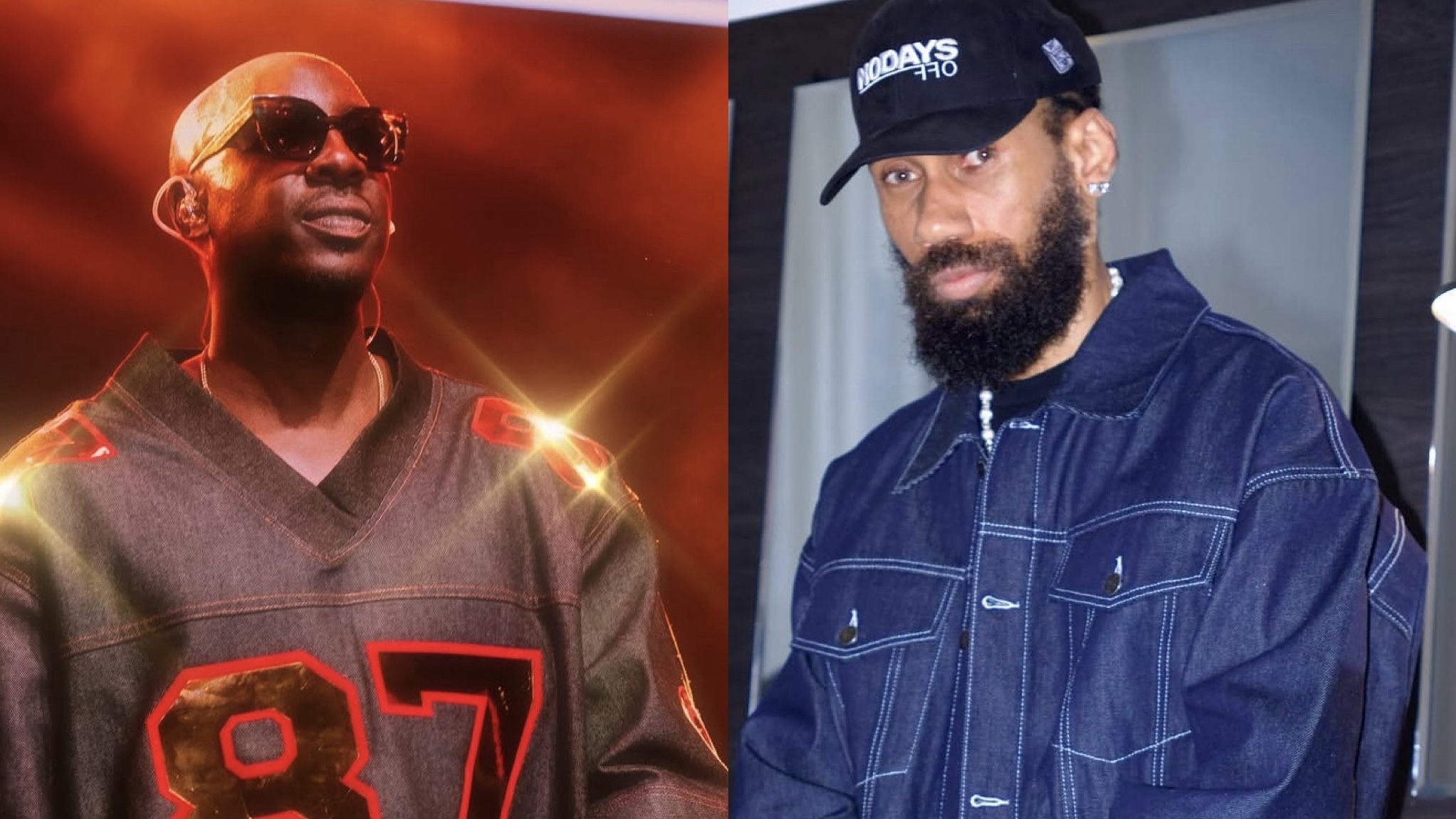


In the fast-evolving landscape of African hip-hop and entertainment, few stories capture the continent’s spirit of resilience, creativity, and self-determination quite like Nasty C’s newest album, Free. Following his departure from major labels, the South African rapper (real name: Nsikayesizwe David Junior Ngcobo) is reportedly relishing this newfound freedom—and fans across Nigeria, Ghana, and throughout West Africa are taking notice. The album has sparked discussions far beyond its native South Africa, shining a light on what artistic autonomy can achieve in an age of globalized music.
A New Chapter: The Meaning Behind Free
According to an interview with Apple Music, Nasty C shared, “This album was inspired by feeling free to be creative and do all sorts of different new stuff, and experience some new things.” For many African artists, the battle between creative freedom and commercial pressures has long been a challenging one. Nasty C’s decision to chart his course without interference from record labels is both bold and relatable for African musicians who have reportedly faced similar crossroads.
The album’s emotional journey is a testament to this autonomy. It traverses a spectrum of feelings—defiance, vulnerability, joy, and reflection—resonating with a generation that seeks authenticity. The opening track, Intro, is playful and rhythmic, a compelling start that sets the tone for what’s to follow. Meanwhile, Selfish is a sincere ode to love and loyalty, speaking directly to listeners navigating personal relationships. The energetic Shmokin taps into the popular African sentiment of being “back outside,” especially relevant in a post-pandemic world where many are reclaiming lost freedoms. Through That’s Whassup, Nasty C reflects on his meteoric rise in South Africa’s music scene, offering inspiration for ambitious young talents in Nigeria, Ghana, and beyond.
Embracing Diversity: A Sonic Mosaic
Free distinguishes itself as a rich musical tapestry—a deliberate showcase of range and versatility. No two tracks mirror the other, with sounds flowing seamlessly from trap and Afrobeats to maskandi, the traditional Zulu genre. According to Lagos-based music journalist Tosin Adebisi, this blend appeals particularly to West African audiences used to genre hybridization. “There’s a kind of musical curiosity emerging in Nigeria’s youth scene—artists and fans alike want to push boundaries, and Nasty C is doing that on a continental and global stage,” Adebisi notes.
The album’s soundscape benefits from a collaborative production team, reportedly including Cxdy, DoppyBeatz, and Spaced Time, who move fluidly between club-ready anthems and soulful compositions. Collaborations enrich this diversity: Blxckie brings infectious energy to Leftie (Dlala Ngcobo), which is making waves in Lagos nightclubs and trending on Accra’s radio stations. Usimamane’s raw contribution on Soft provides an edge, while DJ Speedsta’s work on MSP incorporates local South African slang and biting social commentary—parallels Nigerian street culture, where language is ever-evolving and potent.
Other features, such as Tellaman’s melodic touch and Tshego’s appearance on Not Tonight, inject further flavor, making the album accessible to a diverse audience, including Nigerians who appreciate collaborations reminiscent of local supergroups.
The Visual Statement: Artwork and Narrative Arcs
Free is packaged with vivid crimson artwork and succinct track titles that reinforce the project’s central theme—personal and creative liberation. According to art critic Chimdi Amadi, based in Abuja, “Minimalist cover design has become a subtle marker of authenticity for many African musicians. It’s less about excess and more about signaling a return to roots and substance.” The album hosts 16 tracks, moving through themes of defiance (like in MSP, which playfully confronts detractors using local slang), control, and vulnerability.
Tracks such as FTW and Not Tonight act as bookends with assertive lyrical statements, while entries like Evidence and Other Plans (Interlude) subtly gesture toward new beginnings and unconventional narratives—mirroring the experiences of many young Africans striving for autonomy in creative and professional spaces.
Reception Across West Africa and Beyond
Following its release, Free quickly earned positive reviews from critics and fans across the continent.
- Nigerians on X (formerly Twitter) and Facebook commended the album’s experimentation, likening Nasty C’s genre-bending to that of Burna Boy and Tems.
- A Ghanaian music blogger, Kwadwo Mensah, wrote, “Nasty C’s project could be a blueprint for the next crop of African artists who want to do things differently.”
- According to Billboard Africa (June 2024), “The album has redefined the possibilities for what a South African export can be, primed for global attention without losing its roots.”
Fans responded enthusiastically to major endorsements, including U.S. rapper Kid Cudi’s celebratory post. The project’s position as Nasty C’s alleged last major-label album before his new independent era adds to its significance. In Nigeria’s competitive music terrain—where young, independent artists increasingly prioritize ownership—Nasty C’s journey has offered a source of motivation and healthy debate. Some local music pundits argue that cross-border collaborations, like those featured throughout Free, could bolster pan-African connectivity and open new avenues for joint ventures.
Challenges and Debates: The Road to True Independence
While the album’s launch has been largely celebrated, there is an ongoing debate among West African music industry experts about the sustainability of such independence. According to industry analyst Femi Aluko, “True independence is more than creative freedom—it involves taking on the risks of distribution, marketing, and financial management, which can be daunting in the absence of label support.” Some critics question whether every artist is ready for that leap, especially with challenges like piracy, streaming revenue splits, and promotional costs in Africa’s unique market dynamics.
Nevertheless, Nasty C’s efforts are part of a broader continental trend. Nigerian acts such as Olamide, Simi, and Davido have each experimented with going independent or forming their own labels, showing that the appetite for autonomy—and its potential pitfalls—is shared across West Africa’s vibrant scenes.
Global Recognition and Industry Impact
The album’s global reach is amplified by digital platforms and marketing partnerships—Switch, for example, was previewed through a Doritos South Africa campaign, instantly giving it cross-market buzz. According to data from Spotify Africa’s June 2024 update, streams of Free spiked in Lagos and Accra within the first week, reflecting a continental hunger for stories and sounds that cross linguistic and national lines.
Critics also note the album’s emotional resonance. Tracks delve deeply into themes of independence, fatherhood, and partnership—all relatable for Nigerians and Ghanaians balancing ambitious careers with personal commitments. Reportedly, this narrative approach has inspired a fresh wave of young artists to pursue originality, with many citing Nasty C’s example as a model for transforming personal stories into universal anthems.
Looking Ahead: What Does Free Mean for Africa’s Music Future?
As Free cements its place as one of 2024’s most influential African albums, it raises important questions about the future of music on the continent. The rise of homegrown, independent talents signals a sea change in the industry—one that prizes artistic control but also demands resilience and business savvy from artists themselves.
For Nigerians, Ghanaians, and fans across Africa, Nasty C’s project invites reflection: Are local artists prepared to embrace the challenges and rewards of true independence? How can fans and industry players support such transitions?
Ready to listen? Stream and explore Nasty C’s Free here.
Have you experienced Free yet? What message do you think independent artists in Nigeria and West Africa should take from Nasty C’s journey? Share your thoughts in the comments and let us know who else you think is changing the sound of Africa!
If you have an inspiring story about music, creativity, or independence—or want your voice featured here—email us at [email protected].
For general support and feedback, reach out at [email protected].
Stay in the loop: follow us on Facebook, X (Twitter), and Instagram for updates on African entertainment, exclusive interviews, and community stories!