

The Abia State government has set its sights on enhancing childhood health outcomes by preparing to roll out a comprehensive measles and rubella vaccination campaign in the coming year. This initiative, which will target communities across the state, underscores a renewed commitment to tackling vaccine-preventable diseases that continue to pose risks to children and young people in Nigeria, West Africa, and beyond.
Mobilising Communities for Immunisation: Stakeholders Take the Lead
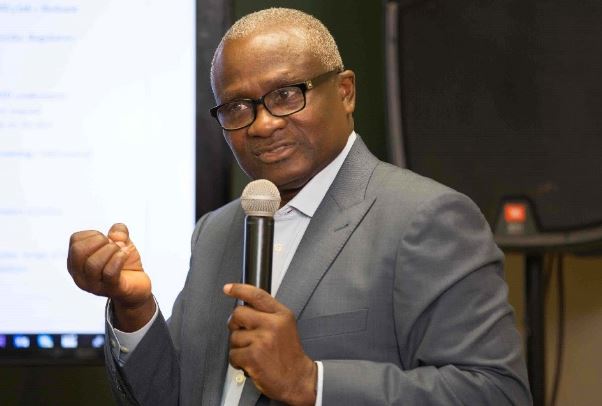
During a recently convened technical working group meeting in Umuahia, Dr. Kalu Ulu-Kalu, Executive Secretary of the Abia State Primary Healthcare Development Agency, urged health professionals and local stakeholders to take proactive steps in raising vaccine awareness. He emphasised the need for concerted effort from all fronts — from government officials to grassroots volunteers — to ensure the success of the upcoming vaccination campaign.
“Our government remains fully committed to the health and well-being of our citizens,” Dr. Ulu-Kalu noted. “But that alone is not enough. We must work collaboratively with community groups, traditional rulers, and parent-teacher associations to ensure every child is protected against preventable diseases like measles and rubella.”
Health Experts Reaffirm Support: Educating Over 31,000 Mothers
At the meeting, key health experts including Chinwe Eke (State Immunisation Officer), Chidinma Amuzie (Consultant with John Snow Incorporated), and Hygenus Egbelu (UNICEF representative), outlined strategic efforts to bolster vaccine uptake across Abia state. They reported having reached more than 31,000 mothers across various local government areas during the widely-attended 2025 August Meeting Conference. Their focus: highlighting the importance of routine childhood immunizations and the direct benefits to children, families, and society at large.
- Door-to-door public health education campaigns, with attention to remote villages
- Utilization of churches, markets, and town-hall meetings for wider outreach
- Distribution of informative materials in local languages to address vaccine hesitancy and myths
According to the UNICEF representative, “Our approach is to centre mothers as change agents, equipping them with both information and a sense of responsibility to ensure their children receive all necessary vaccines.”
HPV Vaccination: Focus on Prevention for Adolescent Girls
The campaign’s reach does not stop at early childhood vaccinations. Stakeholders highlighted the ongoing Human Papilloma Virus (HPV) vaccination initiative, specifically targeting girls aged nine, as a critical step in the long-term fight against cervical cancer. Addressing questions from parents and educators, officials explained not only the science behind the vaccine, but also the need for girls who have received the shot to keep their HPV vaccination cards and bring them to school starting from the 29th of this month for monitoring and data validation.
“Preventing cervical cancer in our daughters starts from vaccination, and documenting who has been immunised helps us assess our progress,” explained Ms. Amuzie, representing John Snow Incorporated. This emphasis on verification and follow-up is seen as a progressive step in tracking immunisation rates and measuring the impact of public health interventions in real-time.
Disease Surveillance: Keeping an Eye on Emerging Health Threats
Other pressing public health concerns were also addressed during the working group session. Caroline Iwuoha, representing the World Health Organization (WHO), and Chukwudi Ukpabi, State Mobilisation Officer, spoke about ongoing surveillance efforts for additional infectious diseases such as M-pox. Their aim is to ensure that Abia State is proactively monitoring for potential outbreaks and responding swiftly to protect vulnerable populations.
“Effective disease surveillance is central to early detection and containment,” said Ms. Iwuoha. “Our teams are working tirelessly in the field, often in challenging conditions, to collect data and raise rapid alerts when necessary.”
Challenges and Opportunities: Bridging Gaps in Public Health
Despite notable progress, stakeholders acknowledged several challenges. Low trust in vaccines, misinformation spread via social media, limited transport in rural regions, and occasional vaccine supply constraints can slow down progress. However, successes from past campaigns — such as polio eradication efforts in Nigeria — offer hope and a model for what can be achieved with persistent collaboration. Experts pointed to the importance of involving community leaders, local media, and civil society groups in combating rumours and strengthening advocacy around immunisation.
- Training more community health workers to ensure every ward is covered
- Partnering with religious and traditional institutions to debunk myths and encourage wide participation
- Leveraging mobile technology for reminders and tracking vaccine delivery in hard-to-reach areas
Regional and Global Implications: Health Security Across Borders
Abia State’s upcoming measles and rubella immunisation drive is part of a broader regional push to improve health outcomes and curb outbreaks that can easily cross borders. Across West Africa, efforts are underway to achieve higher routine immunisation rates and head off potential epidemics seen in previous decades.
According to UNICEF data, Nigeria still accounts for a significant proportion of global measles cases. Experts warn that regional gaps in immunisation coverage can have ripple effects across West Africa and further afield. The World Health Organization continues to work with country partners, including Ghana and Nigeria, to strengthen surveillance, vaccination campaigns, and public education efforts — actions seen as critical to achieving the WHO’s global targets for eliminating measles and rubella as public health threats by 2030.
Looking Forward: Building Resilience in Local Healthcare Systems
As preparations for the 2024 mass vaccination campaign gather momentum, all eyes are on the ability of local actors to sustain progress, even as they adapt to evolving challenges. Key indicators of future success will include not just the number of children vaccinated, but also the level of community engagement, drop-out rates among vaccination schedules, and the ability of health authorities to quickly detect and respond to new disease threats.
Health leaders say the next year will serve as a test of both government commitment and community resolve in the face of ongoing public health challenges. With collaboration between government, international partners, and everyday citizens, Abia State hopes to set an example for other regions in Nigeria and West Africa on how collective action can drive lasting change in public health.
How Can You Get Involved?
If you’re a parent, community leader, student, or concerned resident, there are several ways to support this vital public health effort:
- Help spread accurate information about the benefits and safety of vaccines
- Encourage eligible children and adolescents to participate in immunisation campaigns
- Volunteer with local health teams or NGOs during outreach programs
- Report suspected disease symptoms or outbreaks promptly to authorities
What’s your take on immunisation efforts in your community? Do you think the upcoming vaccination drive will reach more children than before, or are there challenges that still need to be addressed? Drop your thoughts in the comments and let’s foster a healthier future together!
We want to hear your story! Have you or someone you know been impacted by vaccination campaigns, or do you have insights about child healthcare initiatives in your area? Get your perspectives featured — email us at [email protected] to share your experience or discuss having your story published.
For questions, additional support, or tips on local health news, reach out at [email protected].
Be part of our vibrant community — follow us on
Facebook,
X (Twitter), and
Instagram
for the latest health updates, stories, and news from across Nigeria and West Africa.