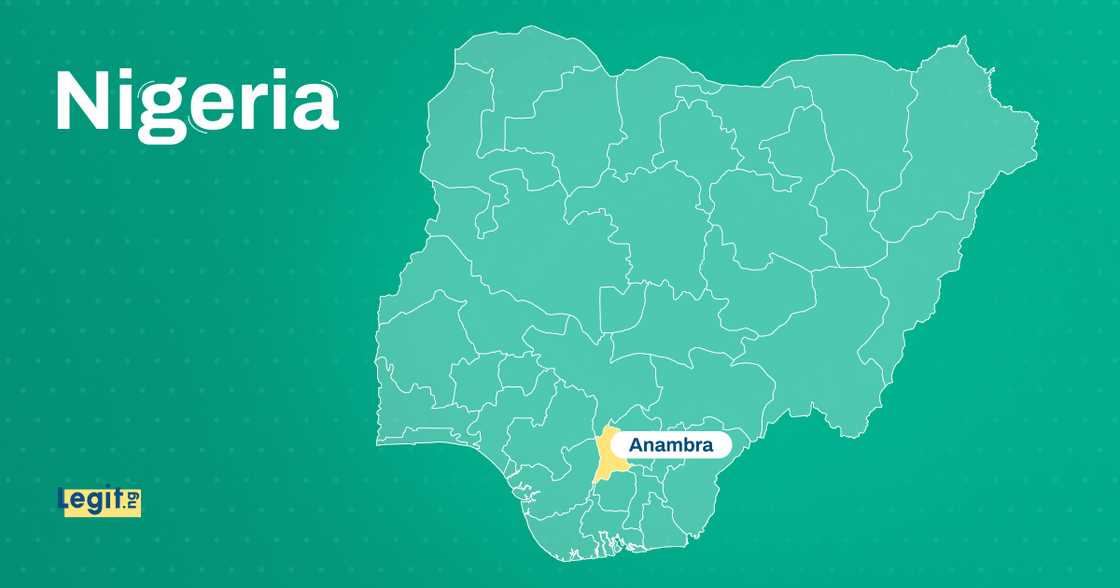


After three arduous weeks in captivity, Katsina businessman Anas Ahmadu, his heavily pregnant wife, Halimatu, and their toddler daughter have finally been reunited with their family, according to multiple sources familiar with the situation.
Their release, which occurred on Wednesday night, marks the end of a harrowing ordeal that began in late August and drew attention to the ongoing issue of banditry and kidnapping in northern Nigeria.
The Ordeal: Timeline of the Abduction
According to reports provided by individuals close to the family and the local outlet NOWAHALAZONE, the family was taken from their residence at Filin Canada Quarters, Katsina metropolis, on August 26, 2025. The abduction, orchestrated by armed individuals, shook the community and spurred urgent calls for action from families and local authorities alike.
“We thank God, Anas, Halimatu, and their daughter were released last night and are en route home,” a source told NOWAHALAZONE, asking not to be named due to security concerns.
Negotiations and Ransom Demand
The ordeal quickly spiraled into a protracted negotiation over ransom. Initially, the kidnappers demanded an extraordinary N600 million for the family’s safe return, placing immense pressure on their relatives. In the weeks that followed, determined bargaining took place, with the kidnappers reportedly lowering their Sum to N100 million by September 3. After further discussions and desperate efforts to gather funds, the ransom was ultimately reduced to N50 million—a figure that still represents a massive financial burden for most Nigerian families.
The source confirmed that “N50 million was handed over to the abductors before they agreed to release the victims.” Details on the exact location of the handover remain undisclosed for security reasons.
Impact on Community and Family
News of their return has brought relief not only to their immediate family but also to the wider Katsina community, where kidnappings have instilled fear and disrupted daily life. “It’s a miracle that they are back. We have barely slept since the incident,” said a neighbor, reflecting a sentiment shared by many locals.
Concerns had run especially high for Halimatu, who was reportedly seven months pregnant during the ordeal, as well as for their young daughter. Community leaders and health professionals have called for urgent medical checks for the mother and child following their prolonged ordeal to ensure their wellbeing.
The Broader Security Challenge
The Ahmadu family’s captivity is one of many such incidents reported in Katsina State and across northern Nigeria. Banditry, particularly kidnapping for ransom, has become a pressing issue. According to a Lagos-based security analyst, “Criminal syndicates are emboldened by the lucrative nature of these crimes. Until there’s a comprehensive approach involving intelligence, policing, and community engagement, incidents like this may persist.”
- Nigeria’s National Bureau of Statistics has reported an uptick in kidnappings in recent years, with hundreds of cases reported monthly across northern states.
- Many families must negotiate directly with kidnappers, often selling assets, seeking community fundraising, or taking loans to secure their loved ones’ freedom.
- The psychological toll on survivors, particularly children and pregnant women, is a growing concern for mental health advocates.
Official Response and Security Efforts
While security agencies have conducted operations to disrupt kidnapping rings, families and local communities often feel they are left on their own. During this recent incident, there was no official comment on progress in securing the victims’ release from either the police or state government, a silence that has drawn criticism from some quarters.
The state government has repeatedly promised to improve security and invest in community resilience, but critics argue progress is slow. “It’s not just about more patrols; it’s about intelligence sharing, trust-building, and addressing the poverty that underpins much of this crime,” noted a civil society activist in Katsina.
Reactions and Way Forward
Social media and local news outlets have been awash with expressions of relief and joy as word of the family’s release spread, but there is widespread acknowledgement that the root causes of such incidents must be addressed.
- Community leaders have called for increased collaboration between residents and security agencies to identify suspicious activities early.
- Some have advocated for psychological support services for victims and their families after trauma of this nature.
- Policy experts suggest tougher enforcement of anti-kidnapping laws and renewed attention on socioeconomic conditions contributing to crime.
Globally, incidents like these put a spotlight on Nigeria’s ongoing security challenges and the need for solutions that balance rapid response with long-term reform. With West Africa increasingly facing cross-border security threats, experts are urging governments across the region to work together and share information to curb bandit networks.
What’s Next for the Family and Community?
For the Ahmadu family, attention now turns to their recovery—the physical, emotional, and financial losses endured during their three-week ordeal are incalculable. Community members are raising funds and calling for counseling services for the family, highlighting grassroots resilience even in the face of adversity.
As Katsina and other northern Nigerian communities grapple with similar threats, many are asking: How can society break the cycle of ransom payments and prevent future kidnappings? Will current security measures be sufficient, or is a new, community-driven approach needed?
What are your thoughts on the rising cases of kidnappings and ransom payments in Nigeria and West Africa? What more do you think communities and authorities can do to tackle this challenge? Share your views below and stay updated with us for the latest on this and other important stories.
For general support, reach us at [email protected].
Connect with our community on Facebook, X (Twitter), and Instagram for more news, updates, and local insights!