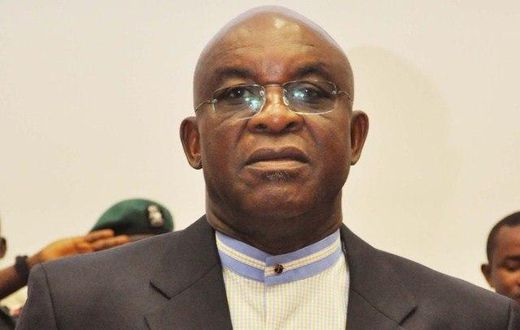


The Economic and Financial Crimes Commission (EFCC) is under renewed pressure to pursue its investigation and prosecution of Mele Kyari, former Group Chief Executive Officer of the Nigerian National Petroleum Company (NNPC) Limited, over his alleged involvement in a $4 billion refinery rehabilitation scandal.
On Wednesday, September 17, 2025, the headquarters of the EFCC in Abuja became the site of a large demonstration, as over 500 lawyers, civil society advocates, and concerned professionals rallied, calling for justice and transparency in the so-called refinery funds saga.
Operating under the umbrella body, Concerned Lawyers and Citizens Network (CLCN), the participants accused Kyari of compromising Nigeria’s economic future through alleged mismanagement of funds dedicated to refinery repairs.
Describing the loss of $4 billion allocated for failed refinery upgrades as an act of “economic treason,” the group demanded urgent rectification measures, including a comprehensive forensic audit to track down all misappropriated resources.
According to the network, immediate action is critical—not only should Kyari be arrested, but investigators should pursue his suspected collaborators and seize any assets linked to proceeds of the alleged scheme.
Barrister Theophilus Ojonugwa, spokesperson for CLCN, issued a formal statement on the network’s behalf, which was shared with Legit.ng and echoed by multiple national dailies.
Ojonugwa was particularly critical of Kyari’s ongoing public presence, arguing that he should not present himself “as a statesman” while ordinary Nigerians continue to deal with the hardships created by poorly managed national assets.
“This is not merely a financial crime; it is an assault on human dignity and a subversion of national development.”
The group also expressed concern over MSM Oil & Gas Nigeria Limited, which they allege is owned by Kyari’s in-law and could have served as a front to launder proceeds from the refinery deals. They insisted that all parties and companies connected to the probe should face strict scrutiny.
Protesters did not hold back in their critique of the EFCC itself, accusing the commission of “romancing corruption” and practicing selective prosecution—claims that have often dogged the agency in past high-profile cases.
The CLCN further pointed out a disparity in the pursuit of justice, noting that while many young Nigerians are harshly punished for minor economic offences, high-ranking figures like Kyari seem to escape serious consequences for alleged much larger infractions.
“Justice must be blind and uncompromising.”
In his remarks, Ojonugwa warned that handling Kyari’s case gently could reinforce the notion that Nigeria has become a “sanctuary for looters,” undermining progress in the fight against systemic corruption.
For a higher standard of transparency, the group called for independent forensic audits performed by reputable international consultants, arguing that only such oversight would restore public trust in the recovery process.
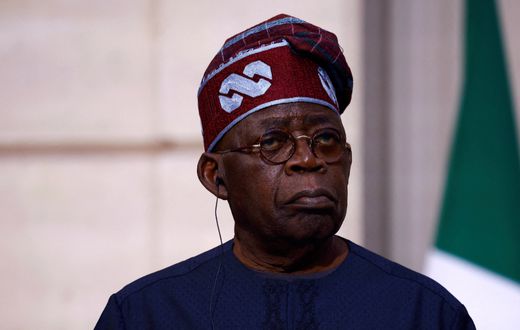
Their statement also appealed directly to President Bola Ahmed Tinubu, urging him to use the Kyari investigation as a “watershed moment” in Nigeria’s effort to end impunity among public officeholders.
“If $4 billion had been properly invested, Nigeria would be self-sufficient in refining today,”

Photo credit: EFCC
Source: Original
Background: Mele Kyari’s Detention and the NNPC Shake-Up
The roots of the current controversy trace back to September 10, 2025, when Kyari was taken into custody by the EFCC for questioning. This came after President Tinubu had replaced Kyari with Bashir Ojulari as head of the NNPC Limited—an action that signaled a shift at the top of Nigeria’s oil sector.
Sources within the EFCC indicated that Kyari’s invitation for questioning was related to allegations of financial mismanagement and questionable contracts in the oil and gas sector, particularly around stalled refinery rehabilitation projects. This development has intensified public calls for accountability, given the scale of investment and economic impact of the refinery collapse.
EFCC’s Crackdown on Refinery Management: Questions and Reactions
Earlier this year, the EFCC made headlines for the arrest of several recently sacked managing directors of Nigeria’s major refineries. The individuals were detained in connection with allegations that funds allocated for critical refinery upgrades were mishandled, going against the spirit and letter of public procurement policies.
In the midst of these investigations, Kyari publicly refuted claims that he had been arrested by the NNPC itself, highlighting a web of accusation and counterclaim that underscores the opacity of operations within Nigeria’s oil sector.
These events have sparked debate among Nigerians—both at home and across the region—about the challenges of holding high-ranking officials accountable, the effectiveness of anti-graft agencies, and broader questions about the future of Nigeria’s critical energy infrastructure.
Local Impact: Trust, Energy, and the Nigerian Economy
Nigerian refineries have long been a flashpoint for public frustration, as billions in rehabilitation funds have not translated to stable fuel supply or lower prices at the pump. The CLCN protest and the EFCC’s actions come against a backdrop of rising economic hardship, erratic fuel supply, and growing calls for structural reform in the energy sector.
According to energy sector analyst Sola Ogunbiyi, “Every naira that goes missing in the refinery sector means higher costs for ordinary Nigerians, especially as we import more fuel instead of refining locally.”
For many West African onlookers—from Ghana to Côte d’Ivoire—Nigeria’s struggle with refinery corruption offers both warnings and lessons, as similar resource management issues emerge across the region. The hope remains that lessons learned from Nigeria’s high-profile probes could inspire policy reforms and greater accountability continent-wide.
Global Perspectives: Anti-Corruption and the “Nigerian Example”
International anti-corruption organizations have shown keen interest in the ongoing developments, with agencies such as Transparency International repeatedly calling for African governments to prioritize transparency in public spending, particularly in lucrative sectors like oil and gas.
The way forward, some experts suggest, requires not only legal prosecutions but the establishment of independent audit bodies, stronger whistleblower protection, and meaningful involvement of civil society groups—recommendations echoed by the CLCN in their Abuja demonstration.
Challenges, Opportunities, and the Fight for Integrity
While the allegations around Kyari and broader refinery funding loom large, the bigger challenge for Nigeria remains in building robust systems that prevent future abuse, restore investor confidence, and ensure ordinary citizens benefit from the country’s natural resources.
Balancing the call for justice with due process and transparency, many Nigerians are watching closely to see whether this case will truly become the transformative “watershed moment” pledged by civic groups.
What’s your take on the EFCC’s investigation into refinery fraud—and will this lead to lasting change in the fight against corruption in Nigeria and West Africa?
Share your thoughts in the comments below and follow us for continuing coverage as the story unfolds.
Have information, tips, or personal stories about corruption, governance, or the energy sector in Nigeria or across Africa? Your voice matters—let it be heard! Email us at [email protected] to get your story featured or discuss story sales.
For general support, reach out at [email protected]. We encourage thoughtful debate—drop your opinions below and connect with us for updates on Nigeria’s fight for economic justice!
Follow us on Facebook, X (Twitter), and Instagram for more news, insights, and stories from Nigeria, West Africa, and beyond.