

Nigeria’s upstream oil sector is experiencing a remarkable shift as crude oil losses—once a persistent drain on national revenues—have plummeted to their lowest point in nearly 16 years. According to recent data from the Nigerian Upstream Petroleum Regulatory Commission (NUPRC), the country lost just 9,600 barrels per day (bpd) to theft and metering discrepancies in July 2025, a figure not seen since 2009 when losses dipped to 8,500 bpd.
A Dramatic Turnaround
Between January and July 2025, Nigeria recorded total crude oil losses of 2.04 million barrels—roughly 9,600 bpd on average. Compared to 2024, which saw 4.1 million barrels lost throughout the year, this represents a staggering reduction of over 50%.
To put this in perspective, 2021 was a particularly challenging year for Nigeria’s oil industry. Over 37.6 million barrels vanished to theft and operational lapses, averaging more than 100,000 bpd—one of the highest in the country’s recent history.
Fast forward to 2025, and the picture could not be more different. The 2.04 million barrels lost in the first seven months of this year signal a dramatic 94.57% decline from 2021, underscoring a renewed sense of oversight, governance, and enforcement in Nigeria’s oil fields.
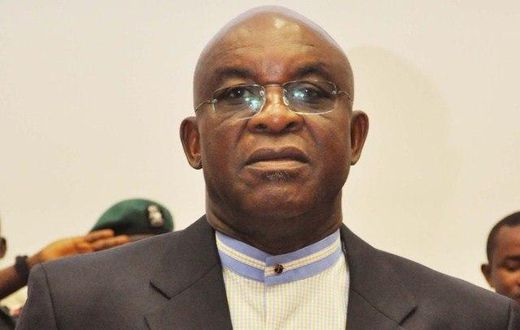
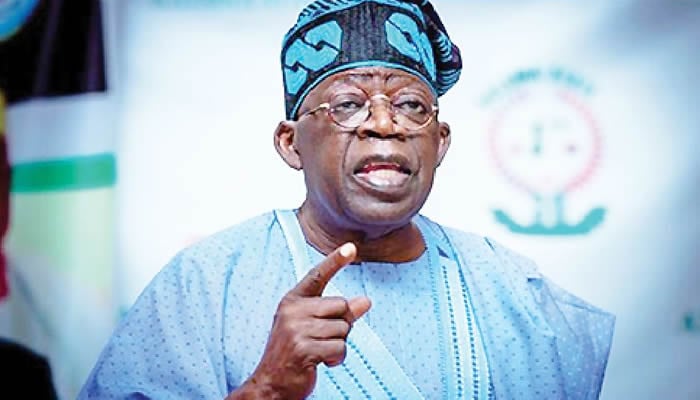
“This significant reduction reflects our commitment to eliminating theft and inefficiencies,” said Gbenga Komolafe, Chief Executive of the NUPRC. “Collaboration with security agencies, operators, and communities, alongside regulatory reforms, is paying off.”
The Petroleum Industry Act: Catalyst for Change
A key driver behind these improvements is the enforcement of the Petroleum Industry Act (PIA) of 2021. The PIA introduced a host of reforms aimed at creating a more transparent, accountable, and efficient oil sector. Since its enactment, Nigeria has seen a steady contraction in annual oil losses, demonstrating the power of comprehensive regulation to transform a critical national industry.
This steady downward trajectory in losses not only speaks to more rigorous oversight, but also highlights the effectiveness of policy reforms when combined with practical field-level strategies. The progress strengthens one of Nigeria’s most significant sources of revenue and positions the country as a more reliable oil supplier on the global stage.
Approach: Combining Force and Reform
Turning the tide against oil theft and pipeline sabotage took a strategic mixture of direct action and regulatory overhauls.
- Security Collaboration: The NUPRC enhanced surveillance of pipelines and production assets by partnering with the military, private oil operators, and crucially, host communities. Strengthened relationships have encouraged local buy-in, making sabotage and theft riskier for would-be perpetrators.
- Regulatory Reforms: The commission enacted wide-ranging metering audits for upstream facilities. By improving measurement accuracy, these audits prevent siphoning and unauthorized sales, ensuring every barrel is accounted for.
- New Evacuation Routes: More than three dozen approved alternative crude evacuation routes have complicated criminal efforts to intercept and divert oil flows, reducing points of vulnerability across the logistics chain.
Boosting Oil Revenues and Strengthening Nigeria’s Position
These positive trends come at a critical moment for the Nigerian economy. Recent NUPRC data shows that output rebounded to 1.7 million bpd in July 2025—a significant leap that coincided with global increases in oil demand. Experts believe that slashing theft not only shores up government revenues, but also increases foreign investor confidence and enhances Nigeria’s reputation as a consistent supplier.
Industry analysts have repeatedly noted that a secure and transparent oil export framework is vital for Nigeria’s fiscal health, given that hydrocarbons are responsible for the bulk of government earnings and foreign exchange inflows.
“The numbers speak for themselves,” said Dr. Aisha Mohammed, an energy analyst in Lagos.
“Nigeria is showing the world that reforms and enforcement can work. Sustaining this progress will depend on continuous vigilance and investment in technology.”
What’s Next for Nigeria’s Oil Sector?
For policymakers, investors, and ordinary Nigerians alike, the dramatic fall in crude oil losses signals more than effective policing or industry regulation—it marks a chance to revive faith in the sector. By significantly reducing leakages, Nigeria is working to rebuild the trust of international oil buyers and global partners who rely on steady, transparent supplies.

Credit: NUPRC
Source: Twitter
With production up and losses down, many Nigerians are now hopeful that the country will re-establish itself as Africa’s foremost oil powerhouse—leaner, more efficient, and more secure than ever before. The onus will be on industry leaders and regulators to sustain this momentum, deepen reforms, and ensure that oil wealth better translates into broad-based economic development.
Latest Regulatory Action: Oritsemeyin Rig Licence Revoked
In line with ongoing efforts to enforce industry standards, the NUPRC has revoked the operating licence of the Oritsemeyin Rig. The commission has instructed that all ongoing well operations be completed before the rig is fully shut down.
This directive was formally communicated to Selective Marine Services Limited (SMSL), the rig’s operator, in a letter dated September 11, 2025. The move highlights the commission’s commitment to strict regulatory compliance and industry accountability.
What do you think about the progress in Nigeria’s oil sector—are these changes enough to inspire long-term investor confidence? Do you have insights or experiences about the impact of oil reforms in your community? Share your thoughts below, engage with us online, and join the conversation about Nigeria’s economic transformation.
Have a story you want to share or sell? We’d love to hear from you! Email us at [email protected] to get your story featured, or discuss story sales.
For general support, reach out to [email protected].
Keep up with the latest news, business analysis, and industry trends—follow us on Facebook, X (Twitter), and Instagram!