

Reports emerging from Ghana’s northern city of Tamale indicate that numerous students at Tamale Technical University (TaTU) sustained injuries after a clash with the Ghana Police Service on Tuesday, September 16. This development has sparked widespread debate and drawn attention from across West Africa, with many watching closely due to similar student activism trends observed in Nigeria and across the region.
According to eyewitnesses and local news sources, the situation escalated dramatically during what started as a peaceful student demonstration. Students initially assembled on campus to protest a series of longstanding grievances, ranging from perceived neglect of student welfare to concerns about how university finances are managed, with particular ire directed at recent increases in tuition and fees.
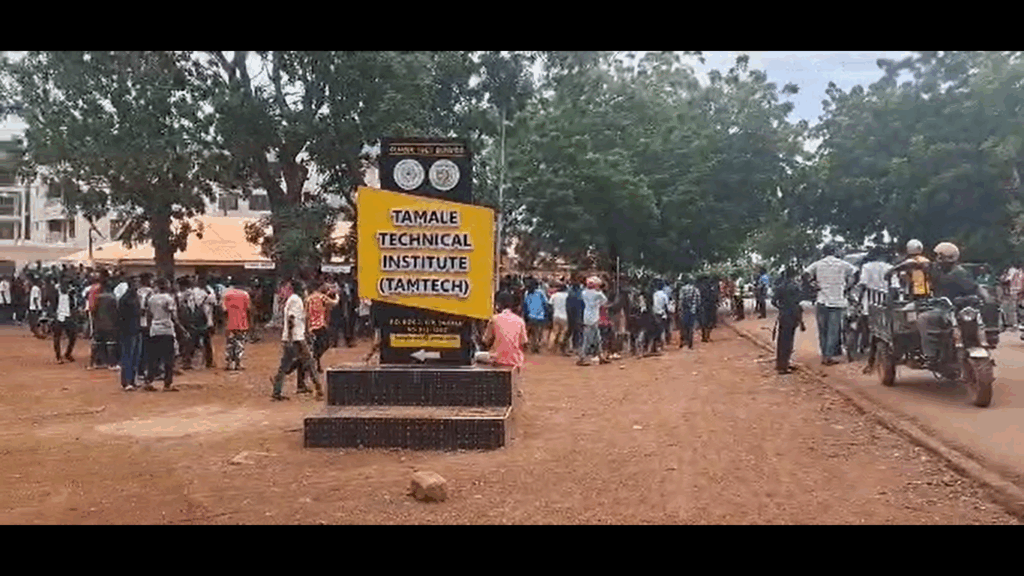
Central to the students’ list of complaints were poor sanitation on campus despite the payment of related fees, the lack of accessible medical services—even though students were charged compulsory medical examination levies—and underdeveloped infrastructure in spite of development levies. Allegations also arose about examination fees being diverted for purposes unrelated to students’ education.
The demonstration took a turn when a segment of protesters set tyres alight and began hurling stones, prompting a forceful response from the police. According to multiple reports, law enforcement discharged warning shots to scatter the gathering crowd. At least three students reportedly suffered injuries—two sustained blows to the head, and one was treated for a leg wound, highlighting risks that often accompany student–police confrontations anywhere in West Africa.
Reactions from Youth Leadership and Calls for Investigations
The aftermath of the incident has reverberated far beyond Tamale, drawing a strong reaction from the National Youth Wing of Ghana’s New Patriotic Party (NPP). The Youth Wing swiftly condemned the police’s handling of the situation and called for restraint from all parties.
In an official statement signed by Salam Mustapha, the National Youth Organiser, the NPP Youth described the police use of force against protesting students as “unacceptable and undemocratic.” Their position echoes widespread criticism from students, alumni, and the public, both within Ghana and among the Ghanaian diaspora across West Africa.
The group’s statement further asserted:

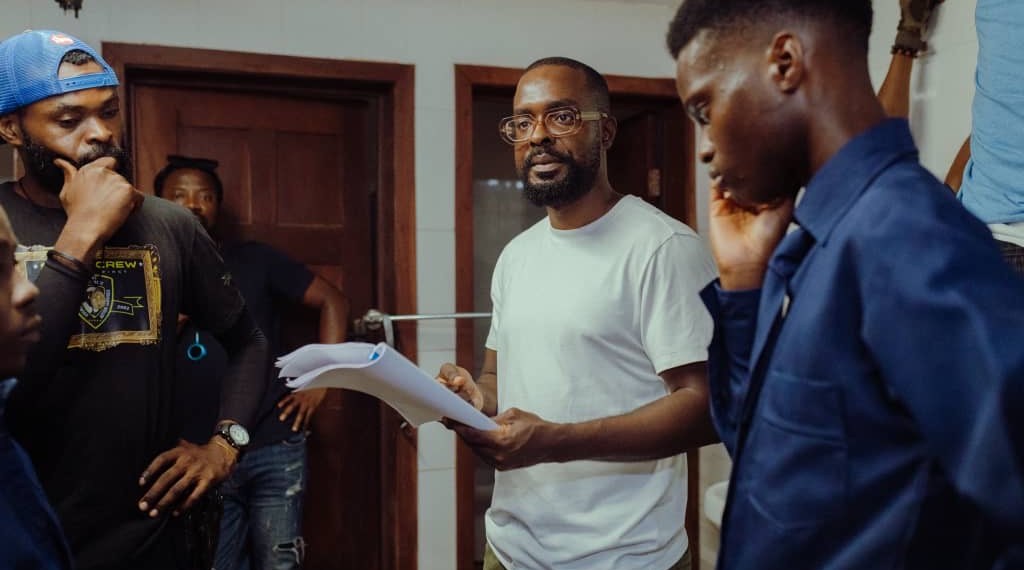
Salam Mustapha
As a youth wing, we believe that a well-trained and adequately equipped police force in riot control should have acted professionally in calming down the students without resorting to brutalisation. Tamale Technical University is a citadel of knowledge and such matters should be handled with diligence.
Emphasizing the need for constructive dialogue, the NPP Youth Wing urged all stakeholders—including university authorities and student bodies—to pursue peaceful avenues in addressing the root causes of the unrest. Their appeal for calm comes amid mounting tensions, with many students feeling compelled to take collective action due to a lack of adequate response to their ongoing concerns.
The group also appealed directly to Ghana’s Inspector-General of Police, asking for urgent intervention in the Northern Regional Police Command’s approach. The Youth Wing called for those officers alleged to be involved in “sordid and despicable violence” during the protest to be held responsible for their actions. This demand has ignited further public debate, as calls for police accountability have become a rallying cry not just in Ghana but in countries like Nigeria, where students have also faced similar challenges during demonstrations.
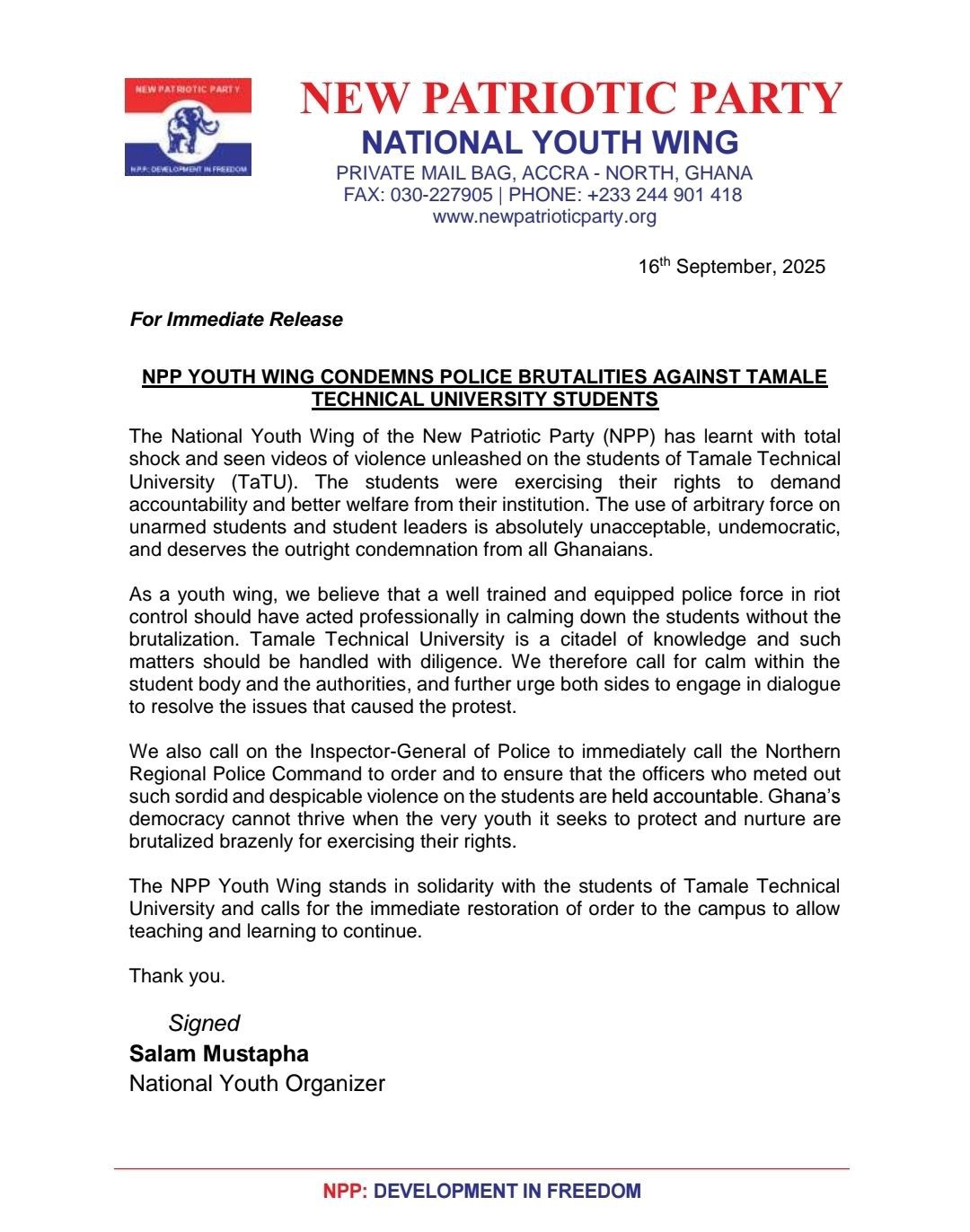
National Youth Wing of the New Patriotic Party (NPP) statement
Widespread Lessons and Local Context: What’s at Stake?
Students raising their voices is not unique to Ghana. From Nigerian campuses where #EndSARS protests brought attention to police violence, to recurring student strikes over fees in Benin, Togo, and even South Africa, youth activism remains a significant driving force for social change across Africa.
Experts in educational policy note that the space for peaceful protest and constructive engagement is vital for democracy. As Dr. T. Nnaji, an education analyst based in Lagos, told our correspondent, “What unfolds in Tamale should be a lesson for all universities in West Africa: Students’ complaints must be taken seriously, and responses should prioritize dialogue, transparency, and support—not just enforcement.”
Comparing Student–Police Tensions in Nigeria and Ghana
Students and activists in Nigeria may find the Tamale developments strikingly familiar. In the past decade, universities from Lagos to Ibadan have seen tension escalate during protests over tuition increases or management decisions. Calls for government oversight and reform in campus security protocols have become louder, particularly after incidents involving excessive force.
Next Steps: Dialogue, Reform, and Accountability
For Nigerian and Ghanaian readers alike, the Tamale Technical University protest is a call to re-examine how authorities respond to youth activism and the mechanisms available for students to air their grievances. The situation continues to unfold, but one lesson is clear: lasting solutions require a shift away from force and towards communication, accountability, and a genuine focus on student welfare.
As more details emerge, observers across West Africa are watching to see whether university administrators and police authorities will engage in transparent, meaningful dialogue—or repeat patterns that spark further unrest.
Region-Wide Reflections and Your Voice
Do you think student activism is being responsibly addressed in West African universities, or is heavy-handed policing still too common? How can authorities across the continent build lasting trust and reform campus policies to better support young people’s rights and development?
Share your thoughts below, and let’s keep the conversation going—for the future of students, campuses, and communities in Nigeria, Ghana, and beyond.
We’re eager to amplify authentic voices from Nigeria, Ghana, and across Africa. If you have a story to share or sell, email us at [email protected] and let’s get your perspective heard.
For general questions or support, reach out at [email protected].
Stay updated and join the conversation by following us on
Facebook,
X (Twitter), and
Instagram.
We’re here for your stories, your tips, and your voice—don’t miss out!