Harmattan has swept across Nigeria and much of West Africa once again, bringing a familiar blend of dry wind, chilly mornings, and that signature dusty haze blanketing streets from Lagos to Accra. For many, this season demands more than just bracing for the weather—it’s about adjusting your wardrobe to strike a balance between comfort, health, and style.
Getting your Harmattan clothing right can make the difference between facing the day with ease or feeling underdressed and exposed. Whether you’re off to work, heading to the market, attending classes, or relaxing at home, strategic clothing choices help you stay protected from harsh winds and floating dust, all while keeping you looking sharp.
If you’re wondering how to dress smartly this season, here’s a detailed wardrobe guide tailored to help Nigerians, Ghanaians, and West Africans—and anyone else facing the Harmattan—manage the elements without compromising style.
1. Mastering the Art of Layering
Mornings during Harmattan can feel surprisingly cold, only to warm up dramatically by midday. The trick is to dress in adaptable, lightweight layers that you can peel off or put on as the temperature shifts.
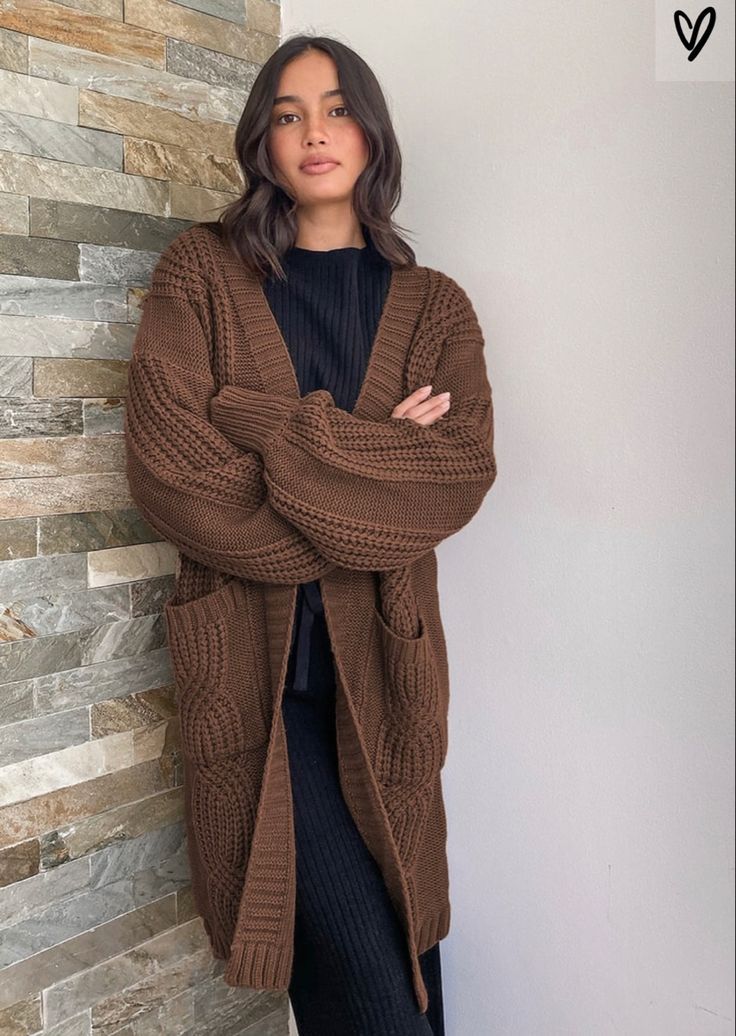
Start with a comfortable, breathable cotton shirt as your base. Over that, a cardigan, sweater, or light jacket helps you stay cosy during chilly hours. Scarves and shawls aren’t just stylish, they can trap heat and also double as shields against blowing dust. “As a lecturer, I always keep a shawl in my car for the unpredictable Lagos weather,” shares Yetunde, a university instructor based in Surulere.
2. Select Dust-Resistant, Easy-Care Fabrics
The Harmattan breeze often carries fine, persistent dust that clings to clothing and everything else. To minimise cleanup hassles, choose fabrics that don’t attract dust and can withstand frequent washing.
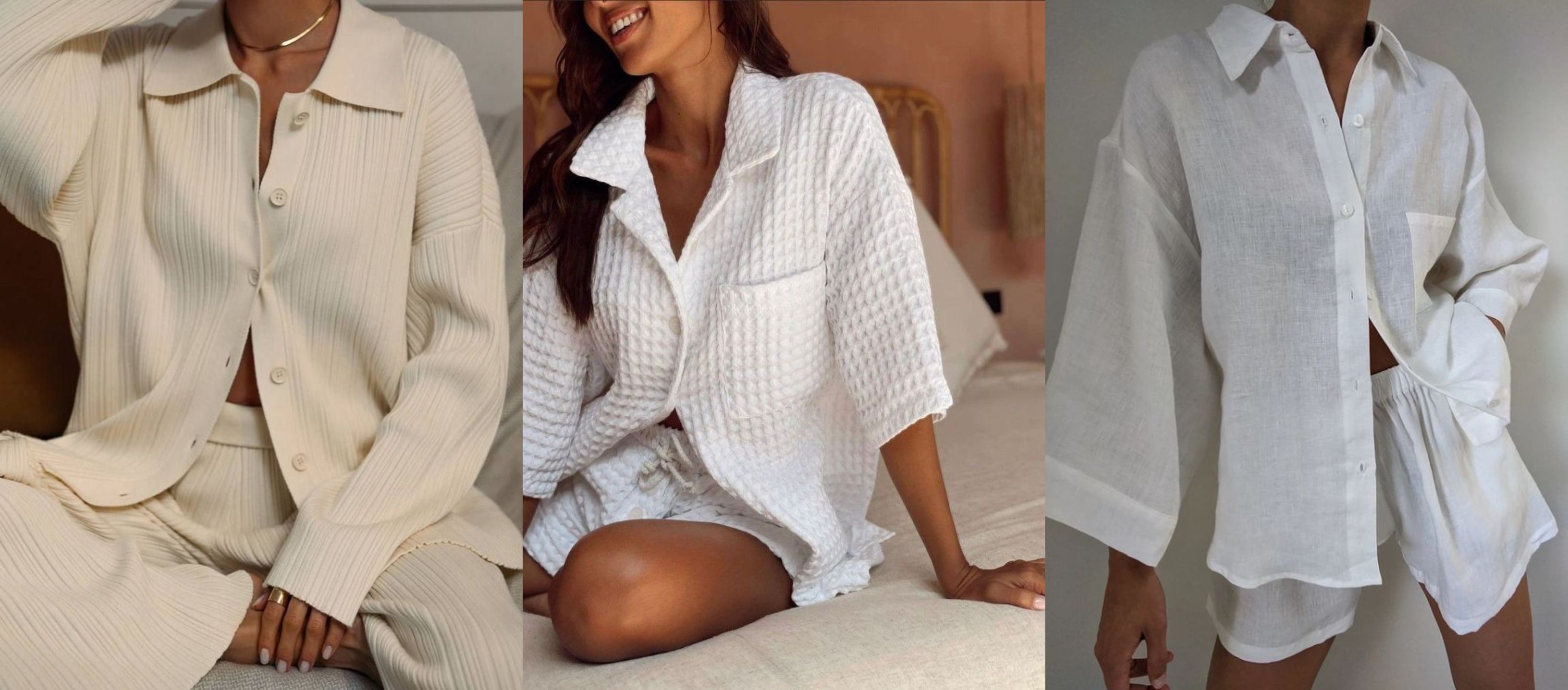
Natural fibers like cotton and linen are excellent for their breathability and resistance to dust. They’re also easy to clean, which is crucial when you might be laundering your clothes more frequently. Avoid plush textiles such as velvet and suede during this period—they’re notorious for trapping dust and can be difficult to maintain.
3. Cover Up with Long-Sleeved Clothing
One reliable method to shield your skin from harsh wind and airborne dust is by wearing long-sleeved tops and full-length trousers. In addition to offering protection, these help your body retain heat in the mornings and evenings when temperatures plummet.
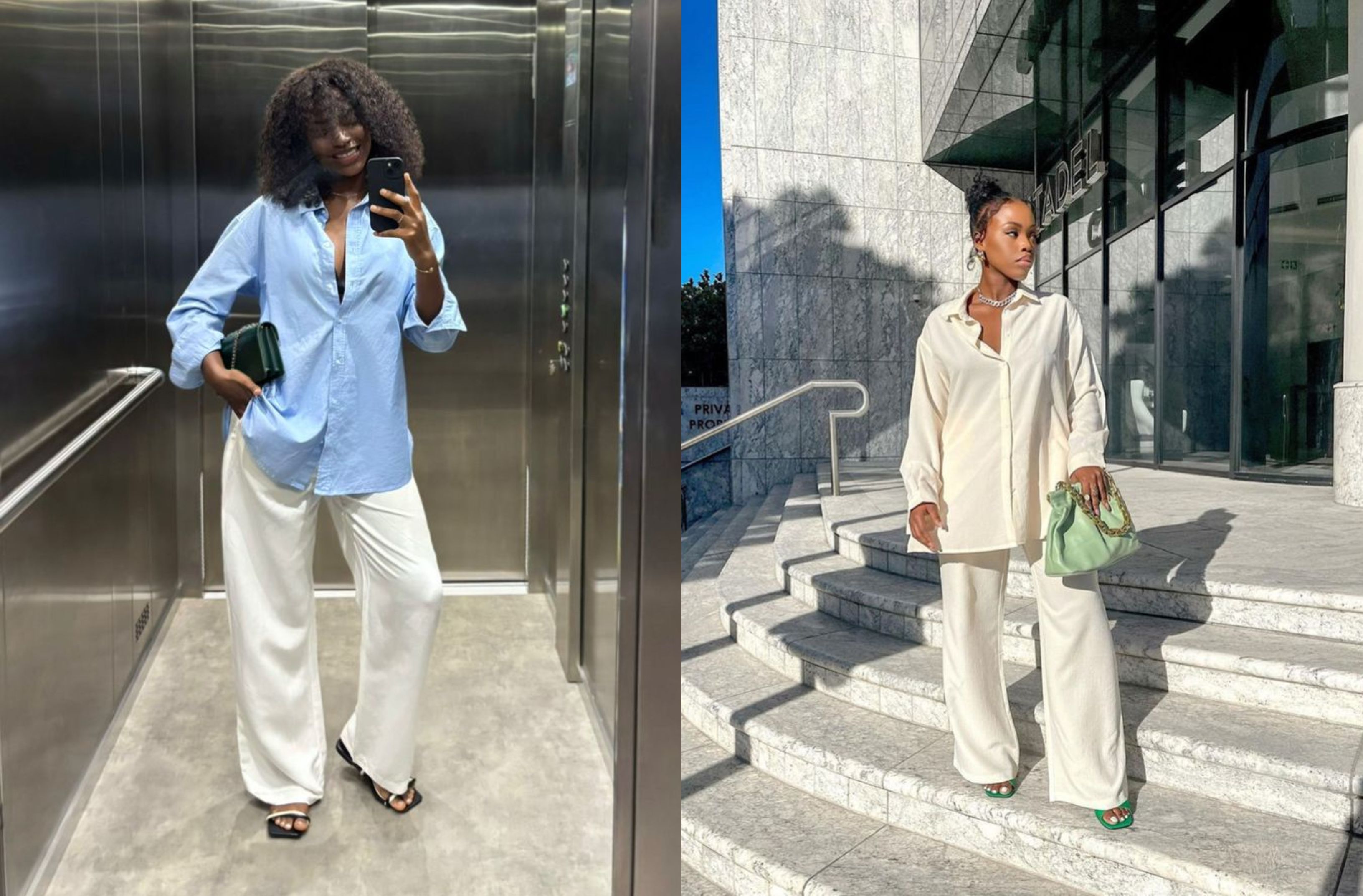
Neutral colours such as greys, browns, and olives are practical, as they mask dust stains better than bright white or vibrant colours. “I like to wear classic Ankara prints in subtle colours. They hide the dust and still make a statement,” says Michael, a creative designer based in Abuja.
4. Prioritise Protective Footwear
Dust often settles at ground level, so your choice of shoes matters just as much as your choice of clothing. Closed-toe footwear like trainers, loafers, or ankle boots can help keep your feet safe from dryness and dust.
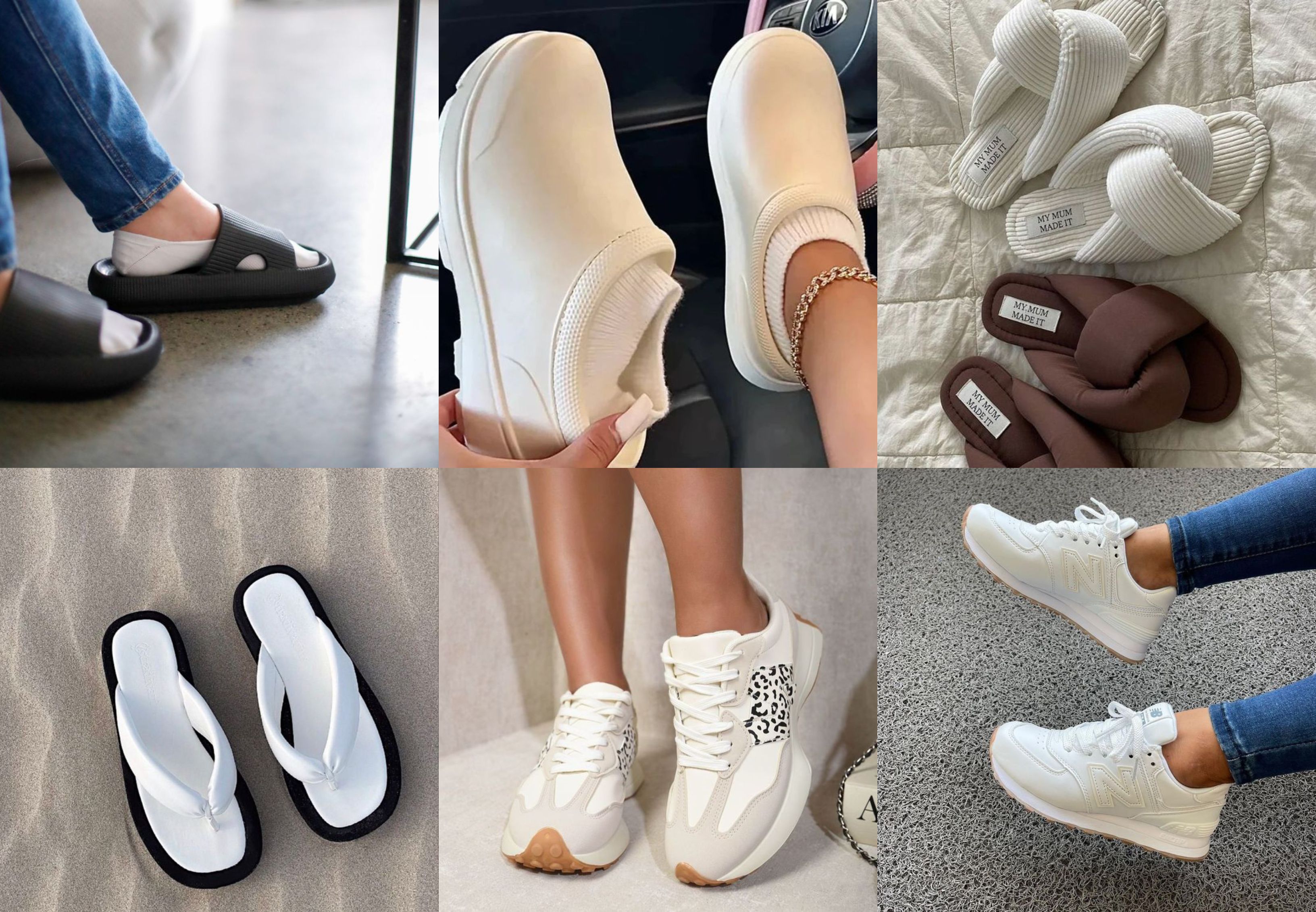
Pair your shoes with comfortable, moisture-wicking socks to trap warmth and prevent accumulation of dust. This combination is particularly helpful if you commute by public transport or do a lot of walking during the day.
5. Choose Your Accessories Wisely
Accessories in Harmattan go beyond mere style—they’re essential for protection. Scarves, hats, and sunglasses become daily must-haves during these months.
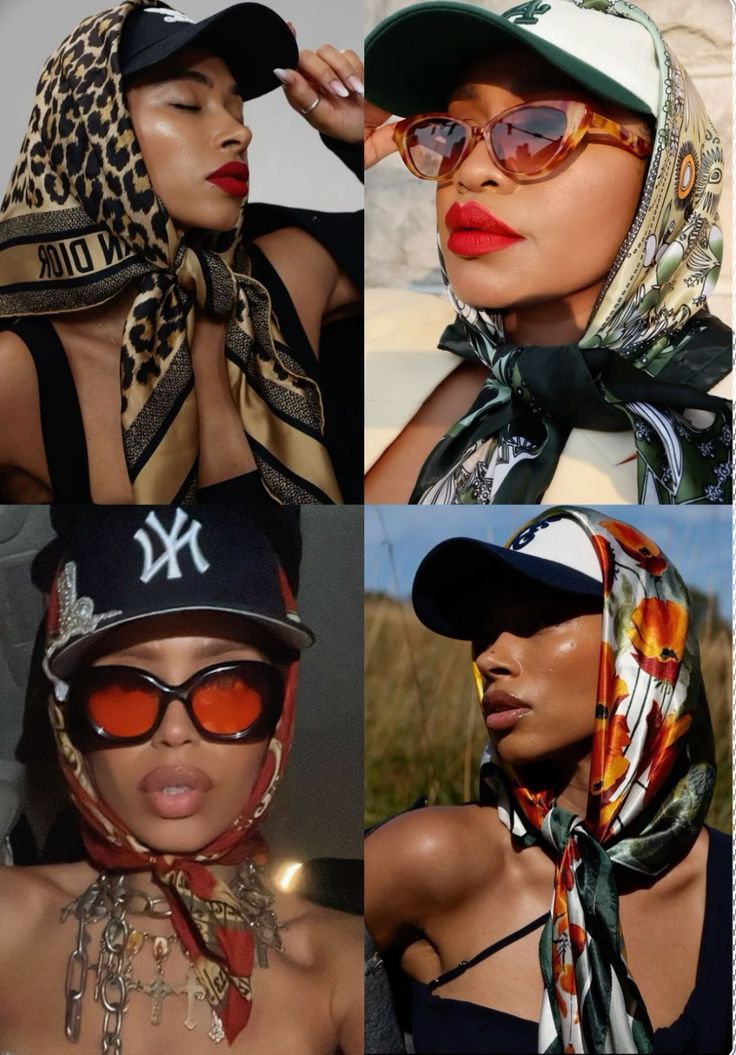
A broad-brimmed hat shields your face, while sunglasses defend your eyes from glare and dust particles. Lightweight, easy-wash scarves can be wrapped around your neck or used to cover your nose and mouth when needed, especially on those days when visibility drops and the air feels heavy with dust.
6. Be Prepared with Smart Outerwear
As day turns into evening, you might experience a sharp drop in temperature. A practical outer layer such as a windbreaker, bomber, or even a classic denim jacket is perfect for these conditions, providing much-needed warmth without being inconveniently bulky on the move.
7. Don’t Overlook Your Undergarments
Dry Harmattan winds can sap your skin’s moisture, leaving it feeling tight and uncomfortable. Moisture-wicking undergarments crafted from soft, breathable materials help maintain comfort and give your skin a layer of defence against the elements.
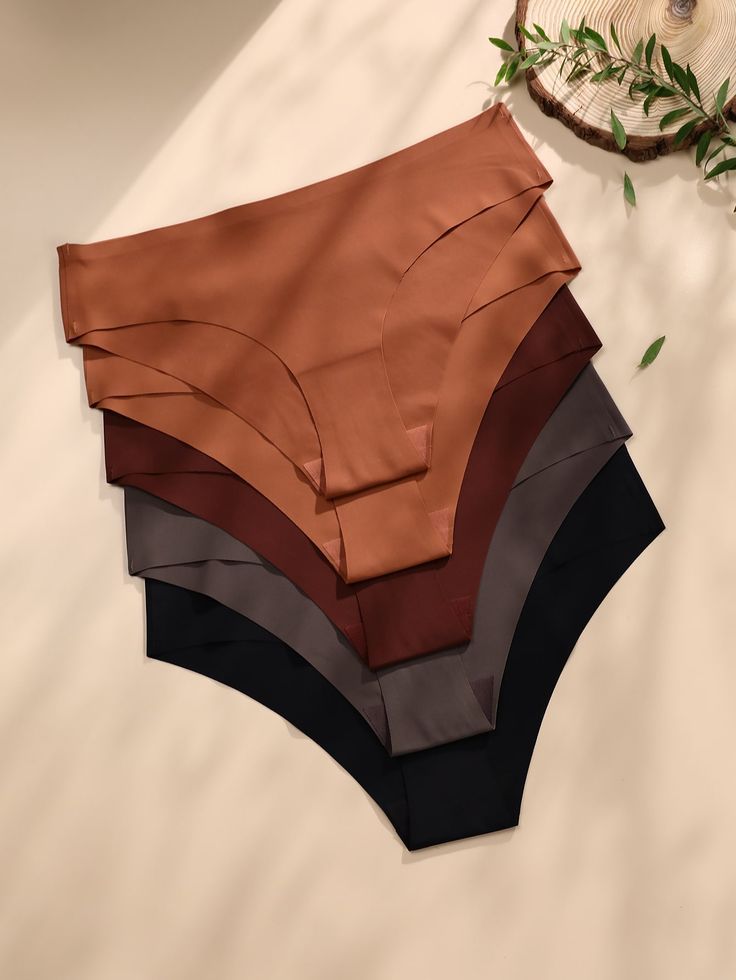
Brands with moisture-managing fabrics are especially useful, and they often dry faster after washing—a real bonus given the frequency with which many West Africans launder clothes in Harmattan.
Local Perspectives: Living with Harmattan
For many Nigerians, Harmattan is more than just a weather event—it’s a seasonal experience. Lagos-based fabric merchant Mrs. Oluchi notes, “During Harmattan, I see more customers ask for cotton and linen. Everyone’s looking for materials that are easy to wash and comfortable to wear.”
Tailors across the region also report an uptick in requests for custom jackets and dust-shielding accessories, as more people seek ways to combine style with practicality.
Health and Practical Wisdom
Medical professionals regularly caution that Harmattan can trigger respiratory problems, especially among children, the elderly, and those with asthma. Nigerian family physician Dr. Aisha Abdullahi advises, “Wearing long sleeves and covering facial areas reduces your exposure to dust. Sunglasses help protect against irritants and even reduce the risk of conjunctivitis, which sometimes spikes in Harmattan.”
- Stay hydrated and moisturise your skin to counter dryness.
- Wash clothes, beddings, and accessories often to remove dust residues.
- Consider keeping an air purifier or wet towels indoors to help minimise airborne dust at home.
Navigating Style Challenges: What to Avoid
While Harmattan invites creativity, it’s wise to skip certain fashion picks:
- Avoid open sandals and flip-flops as they leave feet exposed to dryness and dust.
- Steer clear of dark, heavy fabrics that trap heat or light, billowing garments that could catch dust easily.
- Minimise makeup or heavy face creams that might clog pores and interact poorly with the pervasive dust.
Broader African Trends and Global Attention
West Africa’s unique seasonal trends have even caught the attention of global fashion watchers. Local designers like Ozwald Boateng and Lisa Folawiyo often incorporate Harmattan-inspired looks into their collections, blending tradition, weather adaptation, and contemporary fashion. This season, we are seeing a rise in wrap jackets, bold scarves, and heritage prints adapted for functionality—showcasing how African style continues to influence worldwide trends.
Whether you’re walking through Ibadan’s brown-tinted avenues or navigating Accra’s busy markets, Harmattan style today is about being proactive, health-conscious, and reflective of local ingenuity.
Conclusion: Style, Comfort, and Health
Harmattan doesn’t have to dampen your routine or style. By embracing practical layering, picking dust-friendly fabrics, and suiting up with thoughtful accessories, you can fully enjoy the season’s opportunities—whether it’s that early morning jog, bustling city commute, or sunset hangout with friends. The right wardrobe is more than a barrier against the elements; it’s a celebration of adaptability and African creativity.
How do you adapt your wardrobe for Harmattan? Which style tips have worked best for you—any fashion hacks to share? Drop your thoughts in the comments, and join the conversation as we champion smart and stylish living through every season!