

A fresh wave of legal drama is unfolding at Nigeria’s Federal High Court in Abuja as Omoyele Sowore, former presidential candidate of the African Action Congress (AAC), finds himself at the center of a headline-grabbing case. The Department of State Services (DSS) has brought Sowore, along with social media giants X (previously known as Twitter) and Facebook, before the court on allegations of publishing false and defamatory statements about President Bola Tinubu. The case, filed on Tuesday, is drawing intense public and legal scrutiny across Nigeria and beyond.
Details of the Charges and Allegations
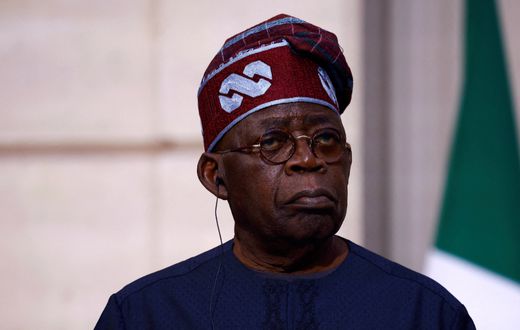
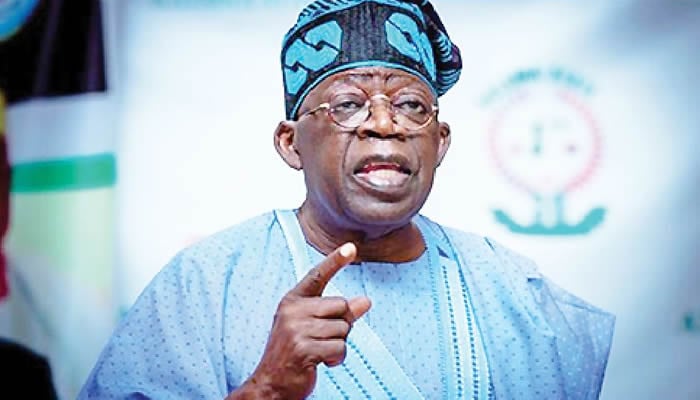
According to official court documents, Sowore is facing a five-count charge. The heart of the matter revolves around posts he made on social media platforms X and Facebook on August 25 and 26, 2025. Prosecutors allege these posts described President Tinubu as a “criminal” and claimed Tinubu misrepresented Nigeria’s progress on corruption while visiting Brazil. Specifically, the posts accuse the President of declaring that corruption had virtually ended under his administration—a statement prosecutors argue is both false and defamatory.
Prosecution’s Perspective
On count one, the indictment cites Sowore’s X handle, @YeleSowore, where he allegedly posted: “ ‘THIS CRIMINAL @ OFFICIAL PBAT ACTUALLY WENT TO BRAZIL TO STATE THAT THERE IS NO MORE CORRUPTION UNDER HIS REGIME IN NIGERIA. WHAT AUDACITY TO LIE SHAMELESSLY!’.” Officials from the prosecution contend that Sowore purposely spread information he knew was untrue, aiming to “cause a breakdown of law and order in the country, especially among individuals who hold divergent views on the personality of Tinubu.”
A similar allegation forms count two, focused on a Facebook post echoing the message shared on X. Here, the prosecution asserts that the intended effect was to stir public unrest and heighten tension among citizens critical of the President.
Legal Framework: Nigeria’s Cybercrimes Act in Focus
Central to this case is Section 24 (1) (b) of the Cybercrimes (Prohibition, Prevention, etc) Amendment Act, 2024. This section criminalizes the deliberate publication of false statements with the potential to incite “a breakdown of law and order.” The authorities argue Sowore’s posts were not simply expressions of dissent but calculated actions to provoke instability.
Legal experts note that cases under this section require proof of both falsehood and intent to cause public harm or disorder—a high bar in terms of evidence. According to Abuja-based human rights lawyer, Femi Oduwole, “The prosecution must establish not just that a statement is untrue, but also that it was disseminated with the motive of triggering unrest.”
The Role of Social Media Platforms
An unusual aspect of this case is the inclusion of X and Facebook as co-defendants. Legal analysts suggest Nigerian authorities may be testing the boundaries of platform liability for third-party content—a hot-button issue worldwide. Drawing social media giants into Nigerian legal proceedings raises questions about content moderation, enforcement of local laws, and expectations for global tech companies operating on the continent.
As Lagos-based digital policy analyst Nana Mensah explained, “While Nigeria is not alone in seeking to hold social networks accountable, the way these global platforms respond could have far-reaching implications for free speech, privacy, and online activism across Africa.”
Public Reactions and Local Impact
News of Sowore’s arraignment has ignited conversation both online and off, sparking debate about freedom of expression, accountability, and government transparency. For many Nigerians—especially those critical of government actions—the case is seen as a test of media freedoms and the state’s approach to dissenting voices.
- Supporters of Sowore and press freedom activists argue that the right to criticize government officials is fundamental, especially in a democracy still consolidating its gains.
- Proponents of the government’s stance contend that false accusations, particularly against sitting leaders, threaten stability and social cohesion.
The matter has even drawn regional interest, with observers in Ghana and across West Africa watching the outcome for signals on how similar cases might unfold locally. Media literacy groups in Accra and Dakar are already referencing the Sowore case in workshops on digital responsibility and free speech.
Comparisons, Context, and Global Significance
Globally, several countries are struggling to balance the rights to free speech with the need to combat misinformation and, by extension, potential unrest. Nigeria’s legal tussle with Sowore sharply resonates with recent prosecutions of activists and journalists elsewhere in Africa, such as the high-profile cases in Uganda and Kenya involving online defamation and cyber offenses.
However, critics warn against using cybercrime laws to stifle dissent. According to Human Rights Watch, “Sweeping or vague legislation can be misapplied to muzzle opposition and reduce government accountability.” The Sowore case places Nigeria at the center of a continental debate on where to draw the line between legitimate criticism and criminal speech.
Sowore’s Response and the Path Ahead
While full details of Sowore’s legal defense have not yet emerged, he remains vocal and defiant. In a recent statement, he said, “It’s hard to believe there’s anyone sensible left in these offices that should be making Nigeria work. Regardless, I will be present whenever this case is assigned for trial.” His stance is resonating with supporters who see the confrontation as emblematic of broader struggles for open political discourse in Nigeria.
Legal timelines could stretch, and experts predict the case may set important precedents for the boundaries of free expression—and for how foreign tech platforms interact with national courts in Africa. As proceedings continue, Nigerians await both the immediate verdict and broader ramifications for online speech, civic participation, and digital rights.
Expert Views: What Could Happen Next?
- Potential for Legal Precedent: If the court sides with the prosecution, this may embolden more aggressive enforcement of cybercrime statutes—and put further pressure on social media companies to police local content.
- Chilling Effect on Online Discourse: Some observers fear a wave of self-censorship as activists and journalists weigh the risks of criticizing authorities online.
- Push for Reform: Civil society organizations are likely to intensify their campaigns for clearer, more narrowly tailored laws protecting freedom of speech and political debate.
Ultimately, this case is about more than one activist or one set of social media posts—it’s about the future of digital citizenship in Nigeria, and what role online platforms should play in mediating political debate in Africa’s largest democracy.
What’s your take on high-profile digital speech trials like this? Should social media posts be subject to such prosecution—or does this cross a line for press freedom and democracy? Share your thoughts below and keep the conversation going.
Do you have a tip, opinion, or story about press freedom, online activism, or digital rights in Nigeria? We want to hear from you! To get your story posted or to sell a story, email us at [email protected].
For general inquiries or support, contact [email protected].
Stay connected for more updates by following us on Facebook, X (Twitter), and Instagram.
Your voice matters in shaping Nigeria’s digital future!