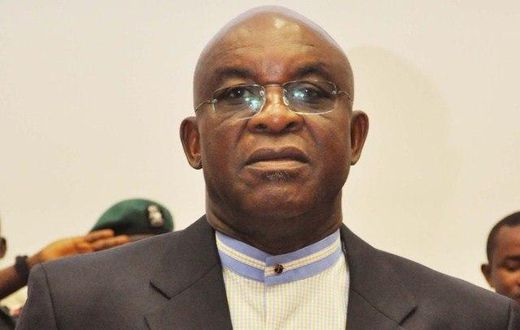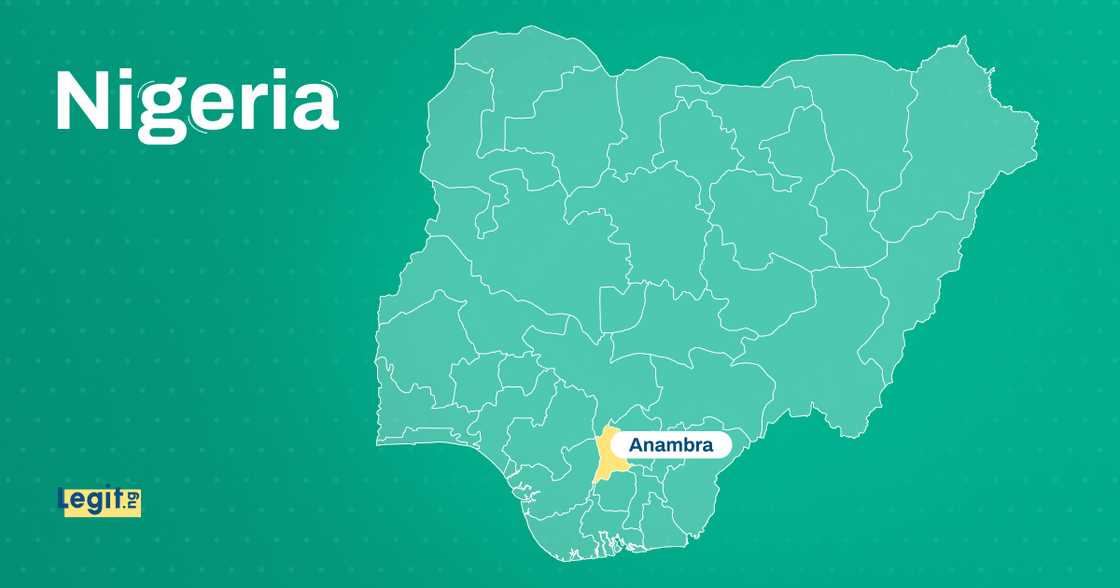


The Kaduna State government, led by Governor Uba Sani, has issued a firm reminder to private school proprietors: school fee hikes are not to be carried out without government sanction. This announcement, released by the Kaduna State Schools Quality Assurance Authority (KSSQAA), comes amidst growing concerns regarding unapproved fee increases in private institutions—a trend reportedly at odds with existing regulations.
A circular dated Sunday, September 7, and distributed across social media by former Kaduna Central senator Shehu Sani, detailed the state government’s observations. Officials allege that several proprietors have adjusted fees outside the formal process, directly contravening government rules designed to protect parents and students from abrupt financial strain.
According to Governor Sani’s administration, when private schools originally received approval to operate, clear stipulations were made: any plans for infrastructural upgrades or increases in fees require advance notice and regulatory clearance. The intention, according to state sources, is to establish transparency and prevent arbitrary charges in the educational sector.
Rules for private schools in Kaduna
Further clarifying the procedures, Mercy Bainta Kude, director of the private schools department, outlined a checklist of requirements that private schools must adhere to before any fee increases are implemented. The directive is structured to guarantee accountability and stakeholder involvement.
Private institutions must comply with the following steps before any adjustment in tuition:
- The previous school fee increment must have been maintained for at least three years before any new increase is proposed.
- The decision to increase fees must arise from a meeting of the school’s Parent-Teacher Association (PTA), attended by a quorum deemed acceptable by the regulator.
- Schools are required to formally apply for permission, stating the precise amount of the intended increment. This application must secure approval from the Director-General, KSSQAA.
- Typed minutes from the PTA meeting(s) and handwritten attendance sheets should be submitted alongside the official application to document transparency and stakeholder engagement.
- The rationale behind the proposed fee increment must be well-justified and explained within the application letter.
- The application must provide up-to-date enrollment numbers for each educational level offered by the school (Pre-Basic, Lower/Middle Basic, Upper Basic, and/or Post-Basic Schools).
- Both the existing and proposed new fee structures for all levels must be clearly stated in the application.
For additional details, refer to the circular as shared by Senator Shehu Sani here:
https://web.facebook.com/shehu.sani/posts/pfbid0Zr2yP6xhmanpdtJm3HEMzSSx597XToZtnxztgsKSqmNvbBsypmGnv5K3FhCeqJsbl
here:
FG announces review of school curriculum
In related educational news, the federal government has unveiled a comprehensive review of both primary and secondary school curricula, with aims to elevate Nigeria’s education system to international standards. This update was made public by Minister of Education, Tunji Alausa, and has sparked widespread conversations among educators, parents, and students alike.
According to the Ministry of Education’s recent social media communication dated Sunday, September 7, 2025, the new curriculum is set to take effect for pupils who are preparing to resume classes. The update has been branded with the tagline: “lighter load, stronger minds—Nigeria’s new school curriculum (2025/26),” emphasizing an intention to ease academic burdens while enhancing learning outcomes.
The reforms have been publicly endorsed by Binzak Azeez, a legal practitioner, during an interview with Legit.ng. Azeez commended the government for its forward-looking approach, noting that updating the curriculum is a critical step for Nigeria’s competitiveness in a rapidly changing world. He added:
“I am impressed with the interview of the Minister of Education, where he explained that the newly introduced subjects are pertaining to “digital literacy, robotics and artificial intelligence, new technologies and subject-based skills.”

Photo Credit: @ubasanius
Source: Twitter
Tinubu suspends creation of new universities
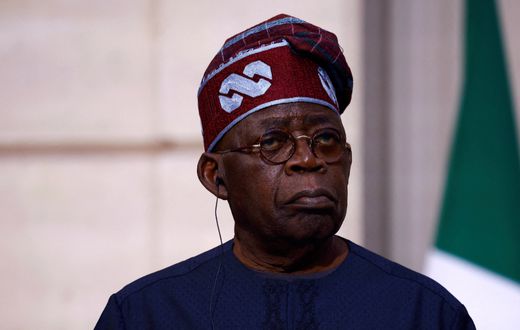
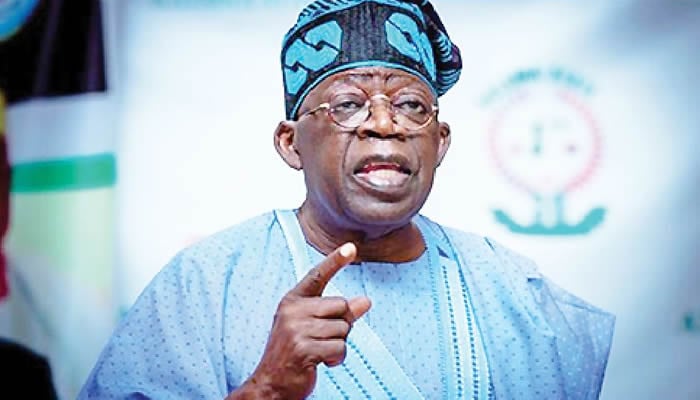
In a further move addressing Nigeria’s educational landscape, President Bola Tinubu’s administration has temporarily halted the creation of new federal tertiary institutions—including universities, polytechnics, and colleges of education—over the next seven years. This policy has been largely welcomed as a step toward improving the quality and sustainability of current institutions, rather than stretching government resources more thinly.
Reacting to this development, legal practitioner Titilope Anifowoshe told Legit.ng that the suspension of new institution approvals could help ensure better management and resources for existing schools. Anifowoshe further advised that the government’s next steps should include addressing infrastructure gaps, educator welfare, and curriculum delivery in already established institutions, thereby tackling root challenges within the system.
These recent changes across federal and state education policies underscore a broader push toward accountability, sustainability, and quality improvement in Nigerian education. How effectively these reforms will be implemented—and whether they will address the key concerns of parents and students—remains to be closely watched by stakeholders across the region.
What do you think about the government’s new rules for private schools and the overhaul of Nigeria’s education system? Are these steps enough to guarantee quality and affordability, or do you see other challenges ahead for Nigerian families and students?
Join the conversation in the comments below, and share your thoughts or school experiences with us! If you have tips, opinions, or stories about education reforms in your state, we want to hear from you—reach out and let your voice be heard.
Got a story, opinion, or tip about education, business, or community life in Nigeria or West Africa? We’re keen to highlight local voices and real-life experiences!
Share or sell your story by emailing: [email protected]
For general support or questions, contact: [email protected]
Stay part of the dialogue—follow us for news and community stories on
Facebook,
X (Twitter), and
Instagram.
We value your insights—drop a comment, share your views, and keep the conversation alive!