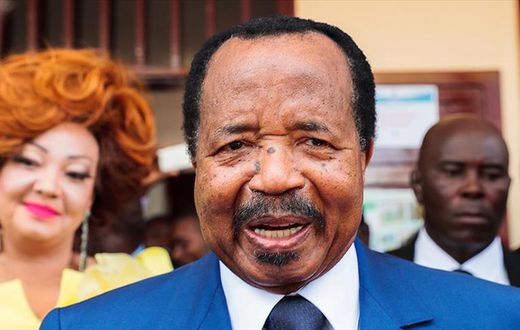


A recent disclosure by President John Mahama has kicked off heated debates in Ghana and across West Africa. During a media briefing on 10 September, Mahama stated that Ghana has entered into an agreement with the United States to receive West African nationals who have been deported from the US. Fourteen individuals—mostly from Nigeria and Gambia—have already been accepted under this deal, according to the president’s remarks.
Seeking to clarify the situation, Ghana’s Minister for Foreign Affairs, Samuel Okudzeto Ablakwa, addressed the nation on 15 September during the Government Accountability Series. Ablakwa stressed that Ghana’s commitment to human rights and Pan-African solidarity lies at the core of this arrangement. He noted that many deportees had experienced extremely difficult conditions while being detained in the US before their return.
Importantly, Ablakwa was clear that Ghana has not received—and is not seeking—any form of financial payment or material incentives from the US for participating in the agreement. He stated that the decision was deliberated at the highest level, including Cabinet and consultation with the Attorney General.
The issue is gaining traction both domestically and across the continent. Other African countries have also joined similar programs with the US, especially following tougher American immigration enforcement policies initiated under former President Donald Trump. These third-country deportation agreements are now reshaping conversations around migration, sovereignty, and human rights in Africa.
Rwanda
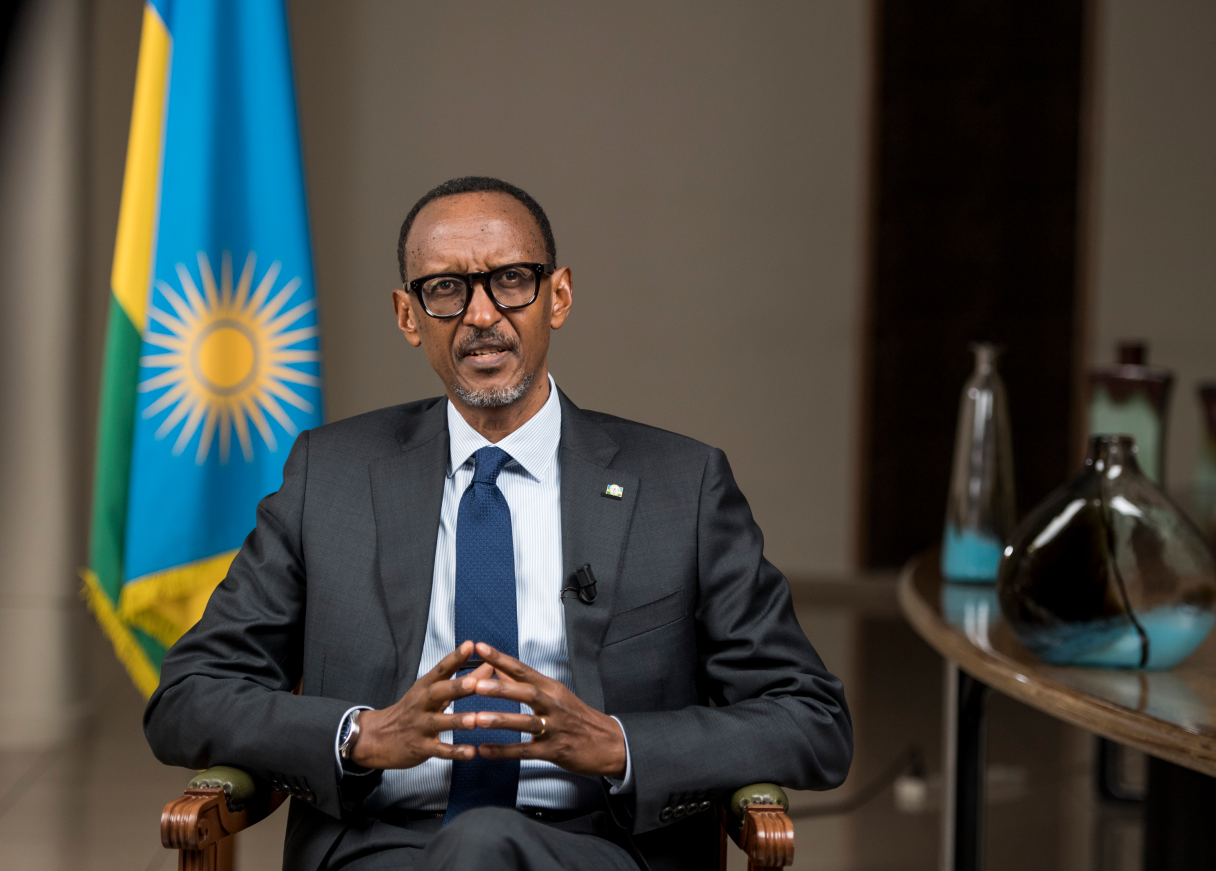
Rwanda’s government has openly acknowledged its operational agreement with the US, which allows it to welcome up to 250 deportees. The country began implementing the policy in August 2025, admitting the first batch of seven individuals. Rwanda’s approach stands out for its structured screening process: the government explicitly refuses to accept child sex offenders and limits entry to persons with little or no criminal history, or to those who have completed their sentences. Each deportee’s background is examined on a case-by-case basis.
Deportees accepted by Rwanda are given support packages, including job training, healthcare, and housing assistance, aimed at helping them integrate into Rwandan society. While the specifics of any compensation for Rwanda’s cooperation remain undisclosed, most reports suggest the government has negotiated considerable financial support as part of its broader strategy to attract international partnerships. Nigerian and West African policy watchers are closely observing whether such models might be adapted or resisted in their own countries.
Uganda

President Museveni
Uganda has entered into a temporary readmission arrangement with the US but, as of yet, no deportees have arrived. The Ugandan authorities have spelled out their policy: only African-origin deportees without criminal records are eligible, and unaccompanied minors are explicitly excluded. They have reserved the right to individually review each case. Some observers, including Kampala-based analyst John Okello, argue that Uganda’s willingness reflects an interest in fostering trade and diplomatic benefits with Washington.
However, Uganda’s commitment has not come without domestic turmoil. Opposition leaders and human rights groups in Uganda have voiced sharp criticism, arguing that the practice subverts national sovereignty and may expose the country to unforeseen challenges. Nigerian migration experts have noted that similar concerns are likely to arise if such bilateral deals are considered in West African nations like Nigeria or Ghana.
Eswatini

His Majesty King Mswati III, Ingwenyama of the Kingdom of Eswatini
Eswatini was ahead of the curve among African nations, putting its third-country deportation agreement into practice long before many others. The US, according to multiple reports, has already transferred five men to Eswatini—these men originated from outside Africa, including Vietnam, Cuba, and Yemen, highlighting the global reach of America’s deportation strategies.
Media outlets have reported that Eswatini may have received as much as $500 million for its participation, but this number is unconfirmed and the actual terms of the deal are closely guarded by both governments. The limited transparency surrounding Eswatini’s arrangement has prompted questions from civil society actors and journalists, both about the ethical use of funds and the welfare of resettled deportees.
South Sudan

South Sudan’s President Salva Kiir Mayardit. REUTERS/Tiksa Negeri/
South Sudan—Africa’s youngest nation—has also taken part in these arrangements, though details about its agreement with the US are particularly scarce. Reports indicate that while South Sudan has admitted only a small number of deportees, questions remain over how deportees are selected and if the country is receiving any financial compensation.
Transparency advocates argue that South Sudan’s own humanitarian and governance troubles make these agreements highly controversial. Critics contend that accepting deportees could strain the nation’s already limited resources—leading to growing debate not just inside South Sudan, but also in policy circles across Africa.
Controversy and Criticism

Donald Trump Photographer: Ken Cedeno/UPI/Bloomberg
Civil society organizations and opposition leaders from various participating countries have condemned these deportation deals as exploitative and politically motivated. International groups warn that these arrangements risk setting a dangerous precedent in global migration management, where vulnerable populations could be exchanged for economic gains or political leverage.
In Nigeria, public debates have centered on the potential risks such agreements would present: strain on social services, increased unemployment, security concerns, and the long-term integration challenges faced by returnees. Local analysts urge a careful approach, noting that West Africa’s complex migration networks require nuanced, people-centered solutions.
Elsewhere, the reaction from ordinary citizens has been largely negative. Many question the wisdom of accepting deportees from outside their countries’ borders, especially when economic resources are stretched and unemployment remains high. Governments considering these agreements must balance the diplomatic benefits against domestic backlash—raising questions about public trust and accountability.
Regional and Global Implications: What this Means for West Africa and Beyond
For Nigeria and other West African countries, these US-Africa migration deals provoke critical questions about sovereignty, economic priorities, and human rights. The continent’s youth population is already highly mobile, with many aspiring for opportunities abroad—and some facing deportation back home. As more African governments weigh the pros and cons of similar deals, the need for transparent terms, protections for returnees, and genuine public consultation has never been greater.
Globally, these arrangements highlight tensions between strict migration control policies in the West and the realities of economic hardship and instability in parts of the Global South. They also underscore the importance of international cooperation grounded in respect for human dignity—rather than transactional politics or short-term gains.
Looking Ahead: Local Voices and the Need for Inclusive Solutions
Nigerian and West African migration experts recommend strengthening regional responses. They emphasize better reintegration programs, expanded access to jobs and education, and diplomatic efforts to protect citizens abroad. According to Abuja-based human rights advocate Ifeoma Eze, “Any migration policy must first put people—not profit or politics—at the heart of its design.”
As debate grows over deportation deals, Africans across the continent are making their voices heard—demanding accountability, transparency, and real investment in the future. With these decisions carrying lasting consequences for individuals and entire societies, public input and informed scrutiny must guide the way forward.
What are your thoughts on African countries accepting deportees under controversial migration agreements? Could such deals ever work for Nigeria or Ghana, or do the risks outweigh the rewards? Share your perspective—and join the conversation below.
To get your story featured or discuss story sales, email us at [email protected].
Need support or have questions? Contact our team at [email protected].
Join the discussion—follow us on Facebook, X (Twitter), and Instagram for the latest updates, expert analysis, and reader stories from across the continent!