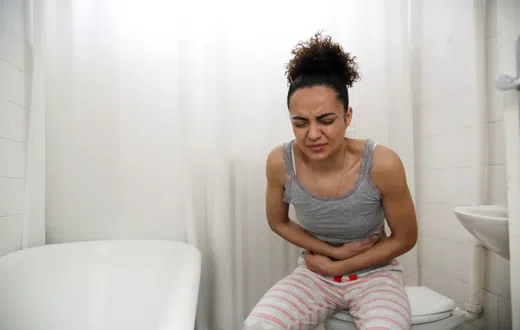


Motherhood is often painted as a season of celebration, but across Nigeria and West Africa, many women discover that the real story is far more complicated. Behind the snapshots of smiling mothers and cute babies are untold challenges: sleepless nights, learning patience on the fly, balancing self-care, and constantly questioning if you’re doing the right thing for your newborn. According to an analysis of maternal health in Africa, as reported by the World Health Organization and Nigeria’s Federal Ministry of Health, up to one in three new Nigerian mothers may experience symptoms of postpartum depression (PPD)—yet many remain silent due to stigma, misconceptions, or minimal support structures.
Understanding, identifying, and treating postpartum depression should be a key part of discussions around maternal well-being. As Dr. Chidinma Eze, a Lagos-based psychologist, notes: “Recognizing the early signs of PPD and knowing where to seek help can make all the difference for both mother and baby.”
What Is Postpartum Depression? The Crucial Basics
It’s normal for new mums to feel overwhelmed or emotional after childbirth—the so-called “baby blues.” But postpartum depression is a much more lasting condition, often marked by persistent sadness, anxiety, mood swings, low energy, loss of interest or pleasure in usual activities, and even difficulty connecting emotionally with their new child. “Left untreated, PPD can affect both the mother’s and the baby’s health and development,” says Dr. Eze.
Florence Adjei, a midwife based in Accra, Ghana, explains, “There’s a cultural expectation that new mothers should feel nothing but joy—yet many are actually struggling with confusion, guilt, and deep fatigue. Due to fear of judgment or being seen as weak, many keep their struggles to themselves.”
Why Are Postpartum Depression Rates So High in Nigeria & West Africa?
Several local realities combine to make postpartum depression more common—yet less openly discussed—across Nigeria and the region:
- Cultural Stigma – Mental health issues are often seen as taboo or attributed to spiritual problems, so speaking up about emotional struggles still carries risk of shame or isolation.
- Weak Support Systems – In urban centres, rapid city life can be isolating. In rural communities, traditional support networks can be disrupted by migration, work, or state of extended families.
- Financial Strain – Economic pressures—rising food prices, unemployment, irregular work—add an invisible burden that can deepen anxiety or despair for new parents.
- Limited Access to Health Services – Even when mothers want help, clinics in both cities and rural communities may lack well-trained clinicians, counselors, or consistent follow-up.
A survey of Nigerian public hospitals in 2023 found that many antenatal care programs do not include routine mental health screening, meaning early warning signs are often missed.
Is Postpartum Depression Treatable? What Are The Options?
There is good news: postpartum depression can absolutely be treated—and the earlier, the better. Local and international research shows a mix of professional help, education, community support, and self-care can help most mothers recover fully. Here are practical steps:
- Speak Out & Break the Silence – Open, honest conversations—whether at home, during church groups, or at antenatal clinics—help normalize PPD and break shame.
- Seek Professional Care – Mental health professionals, especially those attached to teaching hospitals in Lagos, Abuja, Kumasi, or across the sub-region, can offer therapy, counseling, and, when appropriate, medication. Many private clinics now provide confidential maternal mental health services.
- Build a Support Network – The role of partners, family, and friends is crucial. Offering nonjudgmental listening, help with house chores, or simply giving mothers time to rest can be life-changing.
- Prioritise Self-Care – Good nutrition, quality sleep (when possible), gentle exercise, and time for relaxation or prayer are all vital. Social groups, religious communities, or online forums can also provide emotional relief.
According to Dr. Efe Irele, a psychiatrist at University of Benin Teaching Hospital: “Recovery is a journey. With the right help, nearly every mother can return to full health, but nobody should have to walk that path alone.”
Practical Resources: Where Can Nigerian & West African Mothers Find Help?
It can be daunting to reach out for the first time, but support is available:
- Nigerian Mental Health Hotlines: For crisis support, call the Mentally Aware Nigeria Initiative at 0809 111 6262, or the federal NIMH helpline at 0800 111 2223 (check official listings as numbers may change).
- She Writes Woman: An advocacy and support organization for women facing mental health challenges; visit shewriteswoman.org for services and peer groups.
- Postnatal Depression Support Africa: Local NGOs and hospital-based outreach in Lagos, Abuja, Kumasi, and Accra offer group support and referrals.
- Churches & Mosques: Many faith-based clinics and women’s groups provide safe spaces for discussing maternal mental wellness.
- South African Depression and Anxiety Group (SADAG): Helpline (available across Africa) – 0800 456 789
- Lifeline South Africa: 0861 322 322. These services are open to callers from anywhere in Africa, and can direct you to local, language-appropriate help.
Always ensure the hotline or organization you contact is current and reputable. For rural women or those with limited phone access, midwives or local health centers can provide the first point of contact for referrals.
If you know a new mother in distress or showing signs of withdrawal, persistent sadness, or disinterest in her baby, don’t hesitate to reach out—with a listening ear, an offer to help with chores, or by gently suggesting she connects with a professional.
Breaking Barriers: The Community’s Role in Healing
The journey towards destigmatizing postpartum depression in Nigeria and Africa is ongoing. By sharing real stories, advocating mental health literacy, and reminding our communities that help is available, we collectively shape a healthier future for mothers and children. As maternal health advocates frequently emphasize, “It truly takes a village.”
Do you know a mother who is quietly struggling, or have you experienced postpartum depression yourself? Your voice can be a lifeline. Start a conversation at your local clinic, women’s group, or within your family—or reach out for help using the resources above.
How is postpartum depression viewed in your community? What solutions or support have you seen that make a difference? Add your thoughts below, and help keep the mental health conversation alive.
The conversation about maternal mental health is vital—don’t let it end here. If you have stories, lived experiences, or expert insights on postpartum depression in Nigeria, Ghana, or anywhere in Africa, we want to amplify your voice! Reach out to us at
[email protected] to share or sell your story and help raise awareness.
For general support or to comment on this article, contact [email protected].
Join our community online for more local stories—follow us on
Facebook,
X (Twitter), and
Instagram.
What do you think about how postpartum depression is handled in your area? Drop a comment and join the conversation!