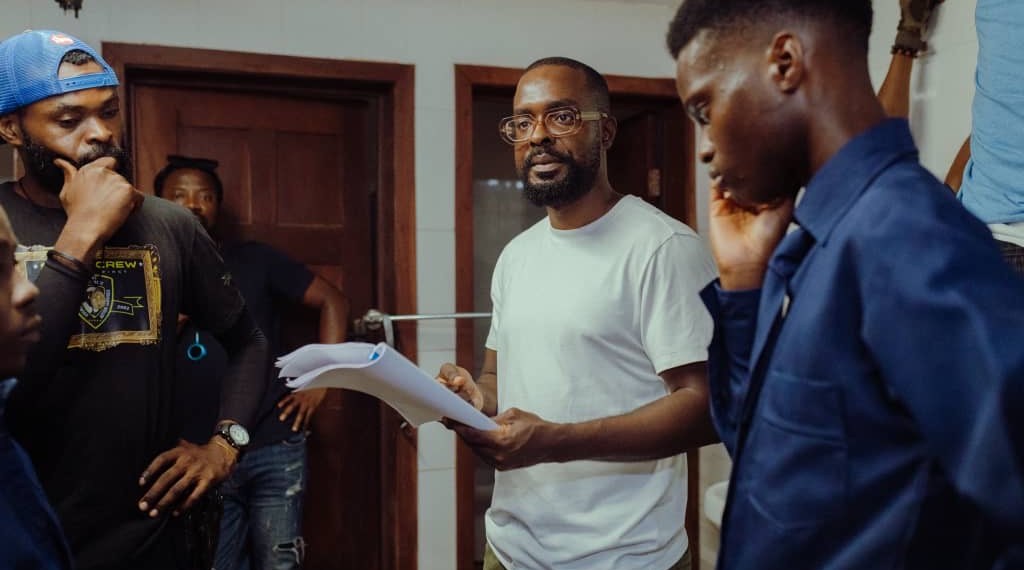


Kwame Asare Obeng, better known across Ghana and parts of Nigeria as A Plus, is stirring up conversations around the privileges of public servants following his recent election as the Member of Parliament (MP) for Gomoa Central. His latest remarks on the use of sirens by MPs to bypass traffic have brought new perspectives to a topic that regularly sparks debate among West African citizens—and could influence broader discussions on governance and fairness.
Stepping Into Office: A Change in Outlook
Not long ago, A Plus was a vocal critic of MPs who used sirens to cut through congested streets. But a few days into his parliamentary role, his standpoint appears to be evolving. In a recent interview, he candidly described how stepping into official duty forced him to reconsider his earlier, idealistic stance on the matter.
“From Outsider to Insider”: The Reality Check
“I remember that before I entered Parliament, I was complaining about MPs and why they wanted sirens,” he confessed. “I called my friend, who is a dispatch rider. I said, ‘Where are you?’ He said, ‘I am at my place.’ I said, ‘Please, I need you to take me out of this traffic and get me to the constituency now and bring me back to Parliament.’”

Balancing Multiple Responsibilities
A Plus’s first-hand experience in office has quickly exposed him to the complex and conflicting duties that come with being both a legislative official and a representative for his community. He admits having to crisscross between official events, constituency engagements, and legislative sessions—all within impossibly tight timelines—a reality that’s resonant for many African leaders whose constituencies are geographically distant from national capitals.
“It is not an easy task at all,” he explained. “Today, for instance, I was with the President in my constituency. The Ahmadiyya Muslim community had their annual convention in Gomoa Pomadze. I had to be at the convention and in Parliament at the same time.”
For MPs like A Plus, whose districts may be several hours—in some cases, a full day’s journey—from Accra or Abuja (depending on the country in focus), the question of how to fulfill all their roles efficiently becomes less theoretical and more of a daily logistical nightmare.
Distance and Dilemma: When Location Impacts Leadership
The challenge becomes even clearer when considering constituencies located at the geographical edges of their countries. A Plus highlighted how the travel demands can be almost impossible to meet within a single day for some representatives.
Can you imagine someone whose constituency is in, say, Paga, and you have to go there with the President and then return to Parliament in the same day? It’s difficult,” he noted.

Kwame A Plus
The Siren Question: Privilege or Practicality?
A Plus’s evolving perspective puts a spotlight on one of West Africa’s most persistent debates in urban life: Is it fair for elected officials to use sirens, effectively leapfrogging ordinary citizens stuck in traffic? Or are those sirens a practical necessity for officials whose effectiveness depends on their ability to traverse long distances swiftly?
For Lagosians, Accra commuters, and residents of cities like Abuja or Abidjan, the wailing of sirens is often met with frustration, sometimes even resentment. Over the years, there have been public protests, social media campaigns, and policy threats about limiting or banning siren use—except in emergencies. Many Nigerians recall the “no siren” initiatives attempted in Lagos or by various African governors and ministers—efforts that sometimes result in public praise but often stumble when confronted with real logistical hurdles faced by officials.
Constituency Versus Capital: The Core of the Dilemma
The deeper problem is structural: with government institutions centralized in distant cities, and infrastructure challenges like poor roads and frequent gridlocks, MPs and ministers alike often find themselves racing against time. As A Plus’s comments highlight, the expectation to serve both at the capital and the grassroots—sometimes simultaneously—is near impossible without logistical shortcuts.
Public Response: Skepticism and Understanding
West African social media has been buzzing with reactions to A Plus’s remarks. While some citizens empathize with the burdens their representatives face, many others remain skeptical, asking tough questions about equality, responsibility, and transparency. Ghanaian and Nigerian users alike have noted that ordinary commuters—market traders, students, healthcare workers—face daily mobility challenges with no special privileges. For many, the issue evokes larger concerns about fairness and the distance (literal and symbolic) between elected leaders and the public.
- Should officials get special treatment solely because of the role they play?
- What mechanisms can ensure MPs attend to their tasks without alienating voters?
- Is the solution better infrastructure, more delegation, or stricter rules?
Experts like Lagos-based policy analyst Ifeoma Chukwuma argue, “The law should be clear—sirens should be strictly for emergency services, not for routine political movement. However, Africa’s infrastructure deficit means we sometimes force officials to cut corners, which isn’t healthy for public trust.”
Comparing Approaches Across West Africa
Different countries have put forward solutions, ranging from police escorts (reserved for heads of state in Nigeria), carpooling for parliamentarians, or digital attendance for non-essential sessions. In Ghana, recent years have seen calls for alternate work arrangements or even regional legislative meetings to bridge these divides. But the tension between “getting the job done” and “leading by example” remains strong in African politics.
Looking Forward: Reforms or More of the Same?
A Plus’s frank confession might reignite debate in Parliament and on the streets, with possible calls for clearer policies and perhaps renewed focus on upgrading road networks. For now, his story serves as a reminder that leadership often involves uncomfortable dilemmas, and that sometimes, experience inside the corridors of power can shift even the most principled stands.
As West Africans watch and weigh in, the bigger question lingers: How do our societies balance empathy for the real struggles of leadership with the demand for fairness and transparency in public life?
What’s your take: Should MPs and high officials use sirens to meet their many obligations—or should everyone endure the same daily gridlock? Share your opinion below, and let’s keep the conversation going!