

Reflections on Six Months of Crisis Management in Rivers State
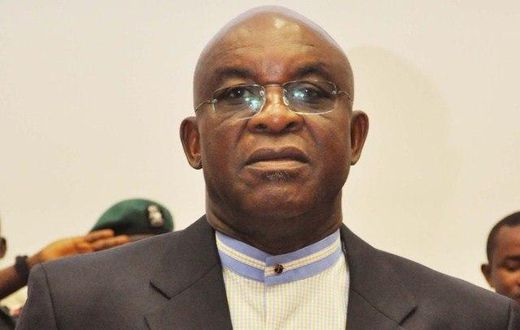
As the transitional administration in Rivers State draws to a close, Vice Admiral (Rtd) Ibok-Ete Ekwe Ibas has opened up about the immense challenges and delicate peacekeeping that defined his six-month stewardship. Speaking at a thanksgiving service at Port Harcourt’s Ecumenical Centre this past Sunday, Ibas painted a candid picture of a state on the brink, crediting President Bola Tinubu’s intervention with pulling Rivers back from the edge.
The retired naval officer, who was installed as sole administrator following political instability, recounted his efforts to plant “seeds of love and peace.” He called on the people of Rivers to protect these gains as the region prepares for a return to democratic leadership on September 18.
“By God’s grace, and with the support of Mr President and all of you, we have walked through those difficult days together; the survival and relative stability we enjoy today is a testimony of God’s faithfulness,” Ibas said, drawing applause from an audience that included politicians, traditional rulers, and everyday residents.
He also issued a pointed warning to political stakeholders, emphasizing that Rivers must not be plunged into fresh turmoil for the sake of personal ambitions.
Calls for Restraint and Youth Engagement
In his address, Ibas urged all political actors to exercise restraint. “Political actors must sheath their swords, because no political victory or personal gain is worth the blood of any Rivers citizen. The progress and prosperity of Rivers State must be placed above personal or partisan interest,” he declared, underscoring the heavy toll previous unrest took on communities.
He further appealed directly to the state’s young people, stressing that their future should not be gambled away as pawns in politicians’ power games. Instead, Ibas encouraged youths to focus their skills and creativity on building a more stable, thriving Rivers State.
Ibas also called on community elders and religious leaders to stand firm in offering guidance, wisdom, and prayers, especially as the state turns the page on a difficult chapter.
“The youth should not avail themselves to be used as instruments of violence but to instead channel their energies into building a peaceful and prosperous state,” he reiterated, highlighting the role of younger generations in fostering long-term peace.
Origins of the Political Crisis in Rivers State
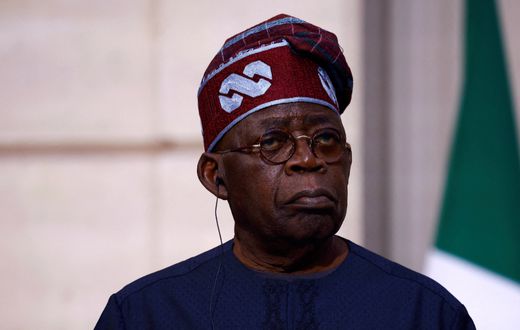
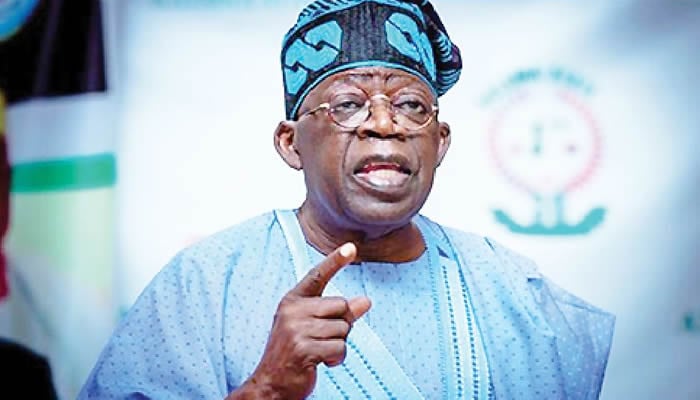
Vice Admiral Ibas’ appointment in March 2025 was neither planned nor routine—it followed months of deeply entrenched political conflict. Tensions exploded when President Tinubu suspended Rivers Governor Siminalayi Fubara after a protracted and highly public rift with his predecessor, now serving as the Minister of the Federal Capital Territory.
The resulting uncertainty fractured the Rivers House of Assembly, triggered violent street confrontations in key districts like Port Harcourt, and set off waves of defections between the main political parties—the Peoples Democratic Party (PDP) and the All Progressives Congress (APC).
Amid growing calls for intervention, and with law and order fraying, Tinubu swore in Ibas—a respected former Chief of Naval Staff not identified with any party faction—as caretaker administrator. His six-month mandate was intended to create breathing room for political reconciliation and negotiation.
Transition Back to Democracy: Fubara’s Return and Future Prospects
With Ibas’s transitional role officially ending this week, focus now turns to the impending reinstatement of Governor Siminalayi Fubara. Preparations, according to insiders, are nearly finished, with Fubara reportedly assuring federal authorities of his commitment to reconciliation and restoring political normalcy.
Many in Rivers see the governor’s return as a key step toward lasting peace, but the scars from recent hostilities remain raw. Some residents, speaking to reporters in Port Harcourt, voiced optimism about renewed stability and the chance to attract jobs and investors. Others warned that old rivalries could quickly flare up if leaders fail to learn from the past.
At the thanksgiving service itself, a stirring sermon delivered by a prominent cleric from the Chapel of Everlasting Grace, Government House, urged everyone to set aside grievances and put Rivers’ collective future first.
“Let us work together as one family to heal the wounds of yesterday and secure a brighter future for Rivers State,” the cleric urged, calling for community-wide unity and reconciliation across party lines.
Continued Challenges and the Path Ahead
While expectations for a peaceful handover run high, Rivers remains at a critical crossroads. Analysts point out that trust between political factions and among ordinary citizens will not be rebuilt overnight. Successful transition depends on transparent policies, inclusive dialogue, and a demonstrable willingness from all sides to put the public interest before old grudges.
According to Professor Nengibo Tekena, a Port Harcourt-based political scientist, “The last year has shown us how quickly crisis can overwhelm governance, but it has also forced Rivers’ people to reckon with what truly matters—security, jobs, education, and a government they can count on.”
Looking ahead, youth development and economic recovery are expected to top the agenda. Stakeholders are especially keen for leaders to prioritize infrastructural investments that benefit ordinary residents—not just political heavyweights.
Broader Implications for Nigeria and West Africa
The Rivers State experience carries valuable lessons for Nigeria and the West African region. Political turbulence in resource-rich states not only disrupts local livelihoods but can also have ripple effects seen in investment flows, job creation, and even cross-border relations.
Experts warn that long-term stability will require new standards of accountability and community engagement. More broadly, the crisis has reignited discussions about the structures of power-sharing, succession, and how to better shield the vital oil-producing Niger Delta from the political storms that have so often defined its history.
As neighboring countries track developments in Rivers State, there is heightened interest in best practices for managing transitions, curbing youth restiveness, and building resilience against political shocks.
What’s Next for Rivers State?
With the stage set for a new chapter, Rivers faces the challenge of navigating its recovery while maintaining the fragile peace achieved over the past six months. Sustainable progress will depend on honest dialogue, social investment, and collaboration between citizens, traditional authorities, and elected officials.
For residents of Port Harcourt and across Rivers, hopes are high for safer communities and expanded opportunity. The coming months will be a true test of whether politicians and citizens alike can rise above division and deliver on the promise of stability and growth.
What are your thoughts on Rivers State’s path forward? Should more regions adopt transitional governance in times of crisis? Share your perspective or story—your voice matters.
For support or to reach our editorial team, contact [email protected].
Follow us for more news and analysis on Facebook, X (Twitter), and Instagram.
Nigerians and Africans worldwide—what’s your view on Rivers’ democratic transition? Drop a comment, share your insights, and let’s keep the conversation going!