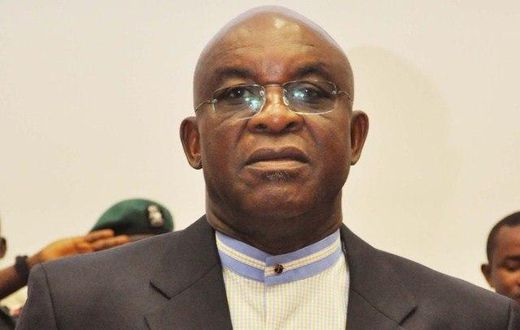


In the ever-evolving world of Nigerian politics, relationships can shift in dramatic ways, often spilling from the closed doors of government offices into the public domain. This reality played out recently when Edward David Onoja, the former deputy governor of Kogi State, candidly discussed his past with his one-time political ally and former governor, Yahaya Bello. In a revealing interview on the MiC On Podcast, published Saturday night, Onoja opened up about the strains that marked the final months of their partnership and how he has managed to move forward both personally and in his career.
The Dynamics of Political Partnership
Onoja’s journey with Yahaya Bello was well-known across Kogi State. The two worked side by side throughout the length of Bello’s administration, navigating the complex realities of governance. However, as their tenure drew to a close, signals of growing tension began to emerge. Speaking on the podcast, Onoja described the transition period at the end of their service:
“We served together till the last day, everybody exited and followed the path that God has created for them. I am not serving under him (Bello). It won’t be a daily affair for us to be relating, and we just felt there should be space. Like I said, I isolated myself for a very good period of time,” he explained.
This deliberate distancing, according to Onoja, was more than a matter of routine political handover. It stemmed from a need for self-preservation and reflection following a relationship he described as “strained.”
Forgiveness as a Path Forward
While many observers speculated about the depth of the fallout, Onoja made it clear that holding onto grudges was never his intention. He explained that as both a matter of faith and personal belief, forgiveness had to come first:
“For those actions, by faith and by creed, if you don’t forgive, you can’t move on. If you don’t forgive, you can’t even fly,” Onoja stated, emphasizing the spiritual and practical importance he places on letting go of the past.
When asked directly whether this meant he had cleared Yahaya Bello in his heart, the former deputy governor responded, “I believe I have, from my heart, I have.” This declaration drew a wave of responses from Nigerians online, with many commending the maturity displayed in prioritizing closure over public drama.
Trust Lost, Trust Difficult to Regain
While Onoja was unequivocal about forgiveness, he remained blunt on another critical point: trust is not so easily rebuilt. “Once you destroy trust, it will be very, very difficult to build,” he noted, a sentiment that resonates deeply in Nigerian political culture where allegiances can shift rapidly and betrayals leave lasting scars.
Political analysts, including some in Abuja and Lokoja, have noted that this challenge of rebuilding trust after public fallout is common not just in Kogi but across Nigeria’s political landscape. According to Lagos-based political analyst Ruth Agbaje, “forgiveness may be possible, but in our competitive multiparty environment, trust is often the true casualty. Without it, it’s hard to see strong alliances enduring.”
New Directions: Focus on Future Endeavors
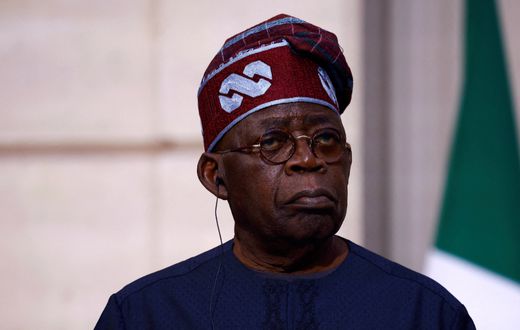
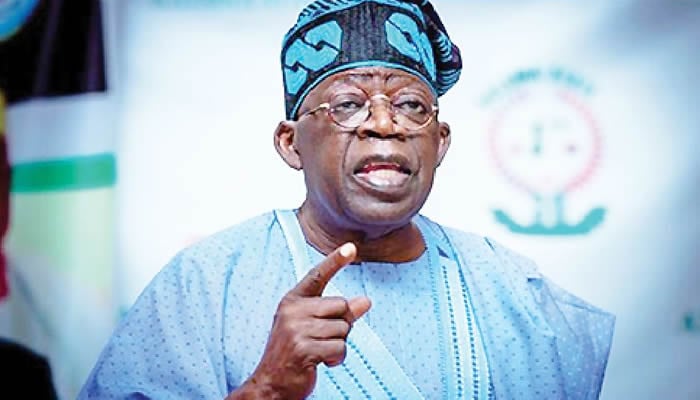
Despite the turbulence of his previous relationship with Bello, Onoja has not remained idle. He is now actively supporting Kogi State’s new governor, Ahmed Usman Ododo. Furthermore, he currently serves as a Board member of the South-East Development Commission (SEDC) under President Bola Ahmed Tinubu’s administration—a role that positions him at a crucial intersection of national development policy and regional advancement.
Onoja’s transition provides insight into the resilience required to stay relevant in Nigerian politics. Rather than being defined by disputes of the past, he has chosen a path focused on supporting development initiatives and playing an influential role in the country’s ongoing socio-political transformation.
Implications for Political Relationships in Nigeria
The events between Onoja and Bello raise broader conversations about loyalty, partnership, and reconciliation within Nigerian politics. In a nation where power rotates quickly and alliances form for strategic gain, stories like these serve as reminders of the human dimensions underlying public office. They also highlight the difficult balance between professional obligations and personal convictions:
- How do political leaders manage the line between public service and private grievances?
- Can reconciliation in the public eye truly repair private wounds?
- What examples do these stories set for others in leadership roles—both within Nigeria and across West Africa?
Local Voices and Reactions
Reactions from Kogi residents and Nigerian social media users have highlighted mixed emotions. Some view Onoja’s approach as a necessary step for political maturity, while others remain skeptical about the long-term prospects for restored alliances in such cases. Analyst Emeka Uba told our reporter, “Nigerians understand the importance of forgiveness, but what they value even more is accountability and sincerity. Actions must match words.”
This perspective is echoed by younger Nigerians, many of whom have witnessed dramatic fallouts between political figures over the years. To them, Onoja’s public comments offer both a cautionary tale and a possible roadmap for how leaders might handle discord with honor and self-respect.
A Regional and Global Lens
Beyond Nigeria, the topic of forgiveness and trust in politics finds resonance across Africa and globally. In Ghana, for example, similar narratives have played out between political rivals who, after periods of friction, have come together in the interest of national unity. According to Ghanaian commentator Kojo Darko, “Political divides must give way to nation-building when the time calls for it—but lessons about trust and how it’s rebuilt are critical for all leaders.”
At the international level, analysts point to the growing need for transparent, accountable leadership. The ability to reconcile and collaborate—even after difficult fallouts—remains a mark of mature governance. Whether Nigeria sets a fresh example remains to be seen, but stories like Onoja’s keep this crucial conversation alive.
What Lies Ahead for Edward Onoja and Nigerian Politics?
Onoja’s story isn’t just about personal forgiveness—it’s a mirror of Nigerian political life, with its highs, lows, ambitions, and all-too-human flaws. As he carves out a new chapter, his experience underscores the importance of integrity, resilience, and the difficult, continual work of building (and sometimes repairing) trust.
What are your thoughts on the role of forgiveness and trust in Nigerian politics? Have you witnessed similar stories in your community or elsewhere in Africa? Share your opinions in the comments and keep the conversation going.
Have a story to tell or an opinion to share? We want to hear from you!
- Email us at [email protected] to get your story featured or discuss story sales.
- For anything else—suggestions, support, or questions—reach us at [email protected].
- Follow us on Facebook, X (Twitter), and Instagram for real-time updates, political gist, and more thought-provoking stories from Nigeria, West Africa, and beyond!
Your perspective matters! Don’t forget to drop a comment below and share your experiences—who knows, your story could make a difference.