

On September 12, 2019, a young Nigerian man named Tomi Waziri, now residing in Canada, had his life transformed by a single traumatic event on the bustling streets of Lagos. Through his official X (formerly Twitter) account, Waziri has recounted the details of how a robbery attempt not only left him blind at just 27 years old, but also set him on a journey of grappling with depression and emerging with a renewed sense of hope.
Waziri’s story, shared for inspiration and awareness, serves as both a warning about the realities of urban insecurity in Nigeria and a testament to the resilience often found in the face of tragedy. His experience highlights the vulnerability faced by many transport workers and everyday Nigerians navigating ever-present security threats, especially in major commercial hubs like Lagos.
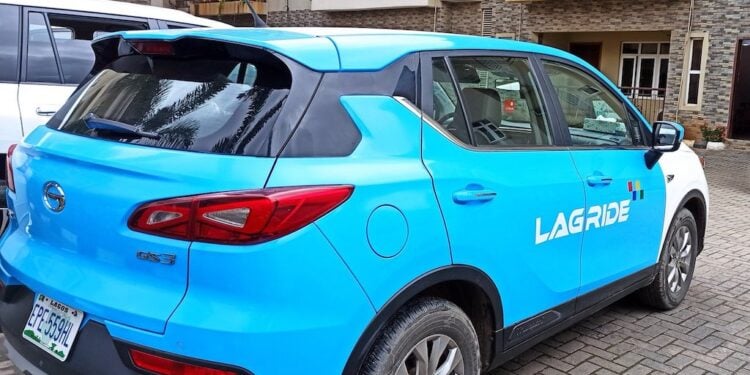
Opening up about that fateful day, Waziri shared, “One fateful day, September 12, 2019, I picked up my keys as an Uber driver that morning to go hustle, but unknown to me that I was going to experience a tragic event that will shake the foundation of my life.” For many Lagosians, especially those in the gig economy or using ride-hailing services, Waziri’s routine could feel all too familiar—navigating traffic, picking up passengers, and constantly being alert.
That evening at 1004 Estate, Victoria Island, Waziri accepted a trip from a female passenger headed towards the Lagos mainland. Relying on Google Maps, a common tool for drivers in the city’s maze of streets, he steered towards Eko Bridge, unaware of the danger ahead. Heavy evening traffic slowed progress, a typical daily frustration for commuters, but on this day, it provided cover for a looming threat that would change his life forever.
While inching forward on the crowded bridge, Waziri and his passenger noticed two young men, described as appearing to be in their late teens, observing their vehicle suspiciously. The tension escalated rapidly as the suspects circled back, with one brandishing a firearm and demanding Waziri’s phone. “Immediately my heart sunk,” he recounted, capturing the primal fear many feel when confronted with armed criminals.
“My rider was panicking, so I told her to stay low. Everything happened so fast. Within a minute.” Waziri continued. As he reached for his phone, trying to comply with the robber’s demand, chaos erupted. A loud gunshot rang out—a moment that simultaneously marked the end of life as he knew it.
He lost consciousness instantly. According to his account, the next memory was disorienting darkness, accompanied by the cries of his terrified passenger. In his dazed state, he overheard the assailant frantically searching for the phone, which had slipped under a seat during the commotion.
The rider’s continued screams seemed to have startled the robbers, who reportedly fled the scene, joining a companion on a waiting motorcycle and speeding off into the night—a method not uncommon in reports of Lagos robberies.
Left bleeding from his nose, eyes, and mouth, Waziri’s injuries were extensive. He described the aftermath: “I was just shot with a local gun through the glass of my window, I was hit with multiple pellets. The size of the battery of a wristwatch, with multiple hitting me everywhere on my face. Even my two front teeth were broken.” The sheer physical trauma was compounded by the devastating revelation that both his eyes had been damaged beyond repair, leaving him permanently blind.
Despite the shock and excruciating pain, Waziri’s first concern was for his passenger’s safety. “But in all of this, the next thing I did was ask my rider if she was okay and while panicking, she replied: ‘Oh! my God, they just shot you and you are asking me if I am fine.’” According to his account, it was at that moment the grim reality of his situation set in. “Then, that was when it really sunk in, the reality of the possibility of not being able to see again, then the physical pain started. The pain started growing and growing, and my face kept on swelling. I told her with a faint voice, to go get help.”
Stories like Waziri’s are not isolated incidents. According to the Nigerian Bureau of Statistics, violent crime including robbery, assault, and kidnapping remain persistent threats in urban areas, especially during economic downturns. Many ride-hailing drivers and passengers—whether in Lagos, Accra, or across Africa’s growing megacities—report facing risks on a daily basis, leading to calls for improved security measures, better law enforcement presence, and support networks for victims.
Okey Ndubuisi, a Lagos-based security analyst, told NowahalaZone that “the rising trend of attacks on transport workers and commuters is deeply concerning. We need more coordinated efforts between transport companies, law enforcement, and community groups to ensure safer journeys.” According to police records, hundreds of drivers have reported robberies and assaults in recent years, with some resulting in serious injuries or fatalities.
Mental health professionals also highlight the trauma faced by survivors of violent crime. Dr. Bisi Ojo, a clinical psychologist in Lagos, explained, “Beyond the physical scars, many victims struggle with post-traumatic stress, depression, and anxiety. Access to counseling and social support can make a huge difference in the healing process.” Waziri’s journey through depression and suicidal thoughts, and his decision to share his story publicly, reflects a growing movement among Africans to break mental health stigmas and seek help.
For Waziri, though his sight was lost, a new perspective on life emerged. “I share this to inspire someone out there,” he wrote on social media, emphasizing hope and the power of community in overcoming life’s darkest moments. Many have praised his courage for speaking out, with others sharing similar stories of resilience.
The implications of such violence reach beyond individual victims. Families, communities, and economies are all affected, while healthcare systems are burdened with emergency care and rehabilitation. In Nigeria and across West Africa, advocates push for reforms—ranging from improved street lighting, CCTV deployment, community policing, and stronger judicial responses—to reduce such attacks and support those rebuilding their lives.
Globally, the plight of blind and visually impaired individuals resulting from violence is an underreported aspect of public health. According to the World Health Organization, over 2.2 billion people worldwide have some form of vision impairment, but few narratives contextualize the unique challenges faced by sudden, trauma-induced blindness, as seen in Waziri’s case. International organizations continue to work with local agencies to provide resources, rehabilitation, and policy guidance for prevention.
As Waziri’s account circulates, many Nigerians and Africans reflect on the urgent need for societal changes—calling for both compassion for survivors and collective action against the root causes of urban insecurity.
How can cities like Lagos, Accra, and others across Africa better protect their citizens and support those affected by violent crime? What practical steps do you believe will help reduce robberies and ensure rehabilitation for survivors like Tomi Waziri? Share your views and experiences in the comments. For more updates, safety tips, and inspiring stories of resilience, follow us across our channels.
For general support, reach out at [email protected].
Connect with us on Facebook, X (Twitter), and Instagram for more stories and real-time discussions. We value your voice—drop a comment, share your thoughts, and let’s build a safer, more supportive community together!