

Fresh uncertainty has emerged regarding the fate of notorious Boko Haram commander Ibrahim Bakoura, known as Abu Oumaima, following reports that he may have survived a Nigerien military offensive that had been declared successful. This development comes after initial announcements from Niger’s military appeared to confirm Bakoura’s death, a claim that has since been publicly rebutted in statements allegedly attributed to the insurgency figure himself.
According to a report by The Cable, the Armed Forces of Niger had earlier stated that Bakoura and several other high-profile insurgent leaders were killed after coordinated airstrikes struck militant camps in the Diffa region on August 15. The offensive was part of a wider regional effort to dislodge armed groups from key enclaves and restore stability to communities bordering Nigeria, Chad, and Cameroon.
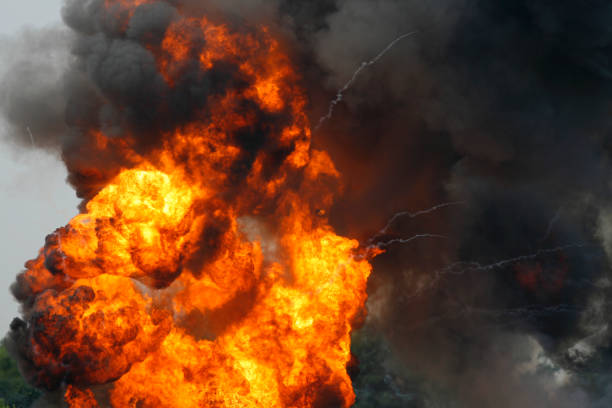
These operations, which specifically targeted the suspected hideouts of militant factions in Korongol, Kournawa, and Shilawa, resulted in the destruction of weapon caches and logistics hubs. Dozens of fighters were reportedly “neutralized,” intensifying pressure on insurgent activities that have plagued the area for years.
National authorities in Niger presented Bakoura’s apparent death as a significant milestone in the battle against Boko Haram and affiliated groups. President Abdurahamane Tiani was quoted in an official statement hailing the offensive as a blow against one of the “key orchestrators” of destabilization, underscoring the local government’s determination to end years of insecurity. This announcement was widely shared in affected communities, providing a glimmer of relief to residents in the frequently attacked Diffa region and neighboring areas.
The news of Bakoura’s alleged demise sparked discussion and cautious optimism further afield, as regional partners and observers considered whether this would signal a possible turning point in the protracted fight against insurgency in the Lake Chad Basin. The operation drew praise from regional security analysts and ordinary citizens alike, some of whom have lost relatives or livelihoods to the ongoing violence.
Boko Haram Leader Denies Reports of His Death
However, the clarity of these initial claims has since been called into question. New intelligence reportedly intercepted by security sources suggests that Bakoura may not have been killed in the strikes. According to counter-terrorism researcher Zagazola Makama, audio purportedly attributed to Bakoura began circulating among militant contacts. In the message, he allegedly told his followers that while he was aware of reports declaring him dead, he had in fact survived the attack.

Source: Facebook
He admitted that the airstrikes were carried out by Nigerien forces and that there were indeed casualties among his supporters, but maintained that he was not counted among the victims. Multiple counterterrorism observers across the region, including researchers based in Maiduguri and Niamey, have urged authorities to conduct further verification, as previous declarations about militant leaders have sometimes proven premature or inaccurate.
Bakoura, who has risen through the ranks since the fragmentation of the Boko Haram movement into rival factions, is regarded as a senior operative in the region’s extremist network. He is alleged to have considerable influence in the Lake Chad basin, exerting control over territories frequented by militants from various corners of West Africa. These shifting claims about his fate have left security analysts and local communities on edge, highlighting the complexities of intelligence gathering and the challenge of verifying battlefield outcomes in remote conflict zones.
Experts note that the confirmation of Bakoura’s death or survival is more than just a symbolic victory or setback. “The leadership structure of these groups can be resilient; a single figure’s removal is impactful but rarely decisive,” commented Aisha Goni, a Maiduguri-based counterterrorism advisor. “But clear and accurate information is essential for sustained momentum in regional security operations.” Bakoura’s continued presence, if confirmed, would likely require renewed vigilance and coordination between affected countries to prevent further violence.
In a broader context, West Africa’s struggle with violent armed groups has impacted millions, with humanitarian agencies reporting cycles of displacement, disruption of food supply, and threats to education in Nigeria, Niger, Chad, and Cameroon. According to the International Crisis Group, over 40,000 people have been killed and more than 2.5 million displaced since the Boko Haram insurgency began in 2009. The fluid state of militant leadership often complicates the task of restoring stability and supporting civilian recovery.
Military Airstrikes Free Hostages in Katsina State
While the situation in the Lake Chad region remains fluid, other parts of northern Nigeria are also grappling with persistent threats from armed groups. In a separate development, security agencies successfully freed 62 people who had been held captive for over a month in Katsina State, according to an official report. Military airstrikes launched against the hideouts of a notorious gang led by Muhammadu Fulani in Danmusa Local Government Area forced the abductors to flee and abandon their captives.
The operation, which reportedly took place on a Saturday evening, was praised by local leaders, humanitarian organizations, and the affected families. The Nigerian Air Force, confirming details of the raid, said that the coordinated effort with ground troops effectively disrupted criminal operations in and around Jigawa Sawai—a community marking the border between Katsina and Zamfara States. The breakout created by the bombardment enabled hostages to flee, highlighting the value of increased military engagement in the region’s fight against organized banditry.
According to officials involved in the operation, the freed individuals are now receiving medical care: twelve hostages have been admitted to Matazu General Hospital, and another sixteen are recuperating under security supervision at the Army Forward Operating Base in Kaiga Malamai. Local health workers say physical and psychological support is being mobilized for trauma recovery. The rescue has been hailed as a morale boost for security forces and affected families, though concerns endure about continued bandit activity in rural northern communities.
Dr. Suleiman Garba, a community leader and activist in Katsina, shared: “Our people have suffered enormously at the hands of gunmen. Successful rescue missions provide hope, but the underlying issues driving insecurity—poverty, porous borders, and corruption—must also be addressed for lasting peace.”
Zamfara Tragedy: Over 35 Abductees Killed Despite Payment of Ransom
Even as security forces claim victories in one area, fresh tragedies continue to emerge elsewhere. According to a local official cited by the BBC, at least 35 hostages abducted in Zamfara State have reportedly been killed by their captors, despite families having paid significant ransom sums in an attempt to secure their release. The mass abduction, which took place in March, targeted 56 residents from Banga village in Kauran Namoda Local Government Area.
The devastating reported deaths highlight one of the toughest challenges facing negotiation-based responses to kidnapping in Nigeria’s northwest. Many families go into debt or sell assets, desperate to save loved ones, but bandit groups have developed a reputation for brutality and bad faith. Advocacy groups such as Amnesty International Nigeria have repeatedly called for stronger accountability and reforms in security sector governance to halt these cycles of violence.
Comparative data shows that Nigeria, alongside other Sahelian countries, has faced a dramatic rise in mass abductions and ransom-driven violence since the mid-2010s. International security agencies, including INTERPOL and the United Nations Office on Drugs and Crime (UNODC), have urged regional leaders to step up intelligence-sharing, border patrols, and tougher regulations on financial flows to disrupt the business model of criminal gangs and insurgents.
Local residents express deep frustration with what they see as slow progress. Halima Usman, whose cousin remains missing following an earlier attack, told reporters: “We want more than promises—we want action, safety for our children, and protection for our villages. These painful losses cannot be forgotten.”
The Broader Regional and Global Context
Nigeria’s security woes reflect wider instability across West Africa’s Sahel belt. Militant groups exploiting weak governance and economic hardship often operate with cross-border reach, complicating domestic responses. Regional initiatives, such as the Multinational Joint Task Force (MNJTF)—comprising Nigeria, Niger, Chad, Cameroon, and Benin—have scored operational successes but struggle with issues of coherence, resources, and sustained community support.
International partners from the African Union, ECOWAS, and European Union continue to provide logistical, financial, and technical backing for counter-insurgency and peace-building, but experts caution that true resolution will require inclusive political dialogue, local reconciliation, and investment in youth and economic opportunities.
As events in Niger, Katsina, and Zamfara demonstrate, challenges remain significant—ranging from verifying the status of high-profile insurgent leaders, to addressing the trauma of survivors, and closing the loopholes that allow armed groups to flourish. Consistent, community-driven solutions and transparent reporting are critical for restoring trust and ensuring long-term peace in affected regions.
How has insecurity in your area affected your daily life or your perception of safety in Nigeria and West Africa? Share your thoughts below and join the conversation—we want to hear your experiences and ideas on how we can build safer communities together.