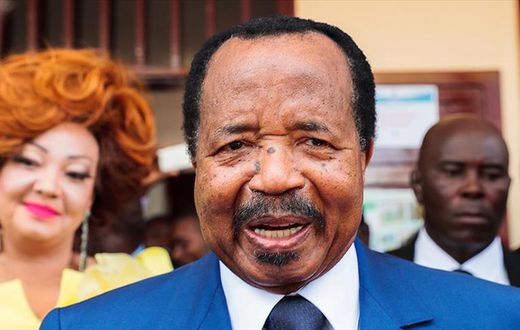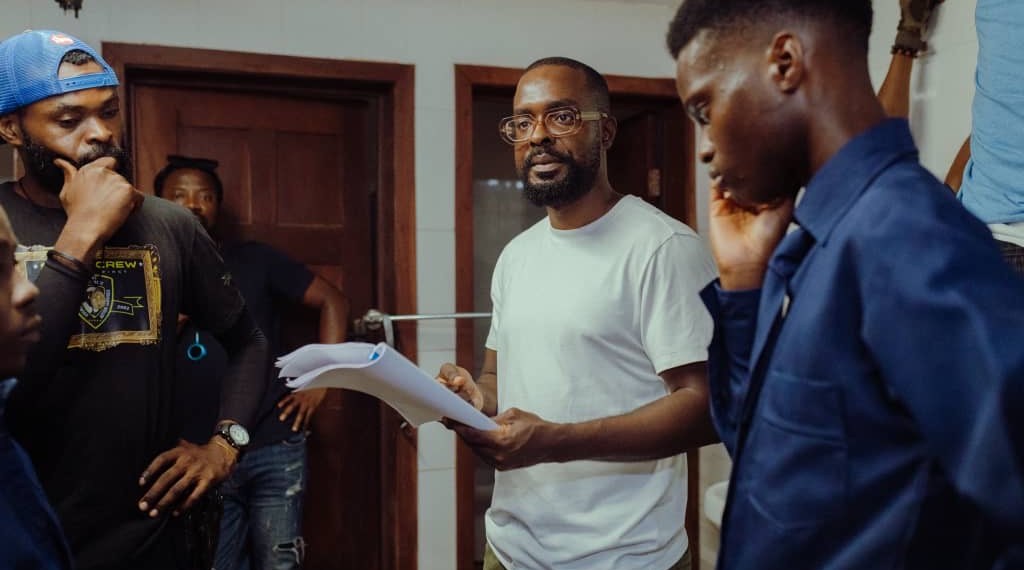


In recent days, veteran Nollywood actor Yemi Sholade has sparked an intense conversation both within Nigeria and abroad about religious practices and the evolving role of the church in society. Appearing on the Honest Bunch Podcast, Sholade voiced strong opinions about church attendance and shared personal experiences that have resonated with audiences and ignited fresh debate.
During the widely viewed interview, Sholade made the surprising admission that he rarely attends church, describing such occasions as mere coincidences rather than part of his routine. According to the respected actor, his decision stemmed from an incident involving a church pastor who advised him against accepting professional work scheduled for Sundays. Sholade treated this as an attempt to limit his livelihood and, in response, claims to have issued a stern warning to the pastor—a move which, he said, became a turning point in his relationship with the church.
He further argued that there is no explicit rule mandating Sundays as the sole day for worshipping God, challenging traditional religious expectations in Nigeria and across Africa. These remarks quickly spread online, drawing diverse reactions—support, criticism, and thoughtful discussion—across local and international social platforms.
Yemi Sholade’s Instagram features posts that further shed light on his perspectives and interactions with fans. He emphasized during the podcast that economic realities for many Nigerians make it impractical to decline work opportunities simply because they fall on Sundays, especially when such income supports families and enables church offerings. His comments have highlighted the broader challenges faced by people balancing faith traditions with work life in today’s economy.
Sholade, Nollywood Legacy, and Comparisons to Pete Edochie
Beyond the debate on religion, Sholade’s longstanding acting career also came under scrutiny during the podcast. In one segment, the actor spoke candidly about his early start in the industry, recalling that he began acting by age 17 and represented Nigeria at the prestigious Festac ’77 cultural festival. Sholade also drew comparisons between his career and that of renowned Nollywood legend Pete Edochie, reflecting on his contributions to Nigeria’s film and entertainment space.
This comparison, however, generated mixed responses from Nollywood fans and social media users. Many noted Edochie’s iconic performance in “Things Fall Apart” and suggested that his impact on the industry is unparalleled, using this as a counterpoint to Sholade’s assertions. Such debates reflect a broader trend of Nigerians discussing the evolving history and influence of Nollywood’s founding figures and the new directions the industry is taking.
Public Reactions to Yemi Sholade’s Church Comments
Sholade’s remarks have triggered a swift and vocal response from various segments of Nigerian and West African society, as seen in numerous comments and social media discussions:
@_THE_CRAFT3R_ said:
“I wish most Nigerians think this way, naija will be a better place. In the last 20 years there are more churches than true Christians. Then you start asking yourself. What is really happening?”
@bencipherx said:
“I think the only Honest Bunch podcast episodes I ever watched were the ones with Peter Obi and Omoyele Sowore. The show has never struck a chord with me, though—my opinion.”
@FLACKO_VVS said:
“Many people spend time in churches than they spend time to work and they expect miracle to happen. Money and success will just come.”
@Basit_eth said:
“In short, Yemi Solade gave his Pastor woto woto😂. Tbh, the Pastor went too far cuz why will you tell him not to work on Sunday.”

Credit: @realyemisholade
Source: Instagram
@ThankGodApeh5 said:
“If you don’t like the idea of going to church, allow others who want to go. If he arranged with baba to come on Sunday morning and he didn’t show up or pick his calls, its a different thing entirely. He wan begin insult person wey senior am because of small money wey him pay am.”
@askolowe said:
“Spot on. As Christians, you must work and be diligent with your business. You shouldn’t spend too much time in the church. You are the light of the world not the light of the church.”
@iamrobmedia said:
“If not for podcasts, some people won’t be relevant. Everybody has a choice . If you work Monday to Sunday, it doesn’t guarantee any peace or wealth. What works for You might not work for everybody.”
@ibrahim_macduff said:
“So you believe there is a blessing and you think his blessings comes to you? No. if truly there is then his blessings are he’s not yours. You can decide not to go to church on Sundays but preferably you talk on doz that leave their work for service even at that u have no right.”
Faith, Work, and Changing Social Norms in West Africa
Sholade’s viewpoints have resonated with many Nigerians who find themselves at the intersection of faith and economic necessities. According to Lagos-based social commentator Mrs. Amaka Okon, “As cost of living rises, balancing work commitments with church attendance is a real struggle for many households. This conversation is long overdue in Nigeria.”
The subject also touches on broader West African trends where urban migration, informal work schedules, and changing lifestyles are forcing reconsideration of traditional church routines. According to a 2022 Pew Research Center report, church attendance in urban Nigeria remains high by global standards, but shows signs of decline among younger demographics and city dwellers who face demanding work schedules and gig-economy pressures.
Experts point out that similar shifts are occurring in other African cities, including Accra and Abidjan, where residents increasingly negotiate faith within flexible work environments. Religious leaders are beginning to adapt, some offering weekday services or online gatherings to accommodate changing needs.
However, traditional voices maintain the importance of Sunday worship as a cornerstone of Christian identity in Nigeria. Pastor John Onah, based in Abuja, explained, “While the form may change, the fellowship is vital. We must meet people where they are, but also keep our spiritual roots strong.”
Social Media and the Power of Viral Narratives
Social platforms like Twitter, Facebook, and Instagram have played a major role in amplifying such debates, giving everyday Nigerians a space to share their perspectives or challenge prevailing norms. Numerous users have engaged directly with Sholade via his social pages, recounting personal struggles balancing faith and survival in challenging economic conditions.
Increasingly, analysts observe that viral moments like this both reflect and reinforce ongoing societal questioning of inherited traditions in West Africa. As these conversations gain traction, religious institutions are encouraged to reflect on their roles and to respond meaningfully to the evolving needs of their communities.
Related Story: Woman Shares Life After Leaving Church
This episode also brings to mind another trending report involving a young Nigerian woman who, after leaving Christianity, shared the consequences and changes she experienced. In her update, she noted that quitting church attendance freed her from the pressure to purchase new clothing, shoes, and make regular offerings and tithes. She has reportedly encouraged others to consider a similar path, though her advice has been met with both agreement and criticism from various quarters.
Analysts note that such stories underscore a rising sense of individual agency when it comes to faith and spirituality, reflecting global patterns where organized religion is being reshaped by personal convictions and changing socioeconomic realities.
What Does the Future Hold for Religion and Work in Nigeria?
The debate ignited by Yemi Sholade is far from settled. In a period marked by economic uncertainty and rapid cultural shifts, Nigerians and other West Africans continue to navigate the delicate balance between faith traditions and practical survival. How religious institutions respond to these changes—by adapting service schedules, supporting flexible worship opportunities, and encouraging authentic dialogue—will shape their relevance for the next generation.
Ultimately, Sholade’s voice adds to an important national conversation: How do we maintain our spiritual roots while adapting to the realities of a modern, fast-changing society? As this conversation evolves, ongoing engagement from religious leaders, civil society, and ordinary Nigerians will be essential in charting a way forward.
What do you think about Yemi Sholade’s take on church attendance? Have work or economic realities changed your religious practices? Drop your thoughts in the comment section below and join the conversation!