

Across Africa, the powerful presence of presidents is felt not just through their leadership, but also through their distinctive fashion choices. From bespoke suits and eye-catching accessories to traditional garments that celebrate heritage, certain African heads of state have made strong sartorial statements that both project authority and reflect cultural pride. In an era where global appearances matter, the ability to stand out has helped shape their public personas, setting them apart both at home and on the international stage.
According to reports from TRT Afrika and other credible sources, at least eight African presidents have become instantly recognizable due to their unique attire, which has become inseparable from their personal brand. This article examines not only the styles themselves, but explores the context behind these choices and what they signal to citizens in Nigeria, Ghana, across West Africa, and beyond. For many, these sartorial signatures have come to symbolize values, traditions, and sometimes new directions in leadership.
Here’s an in-depth look at notable African presidents whose fashion statements are as iconic as their policies:
Yoweri Museveni of Uganda
Yoweri Museveni, Uganda’s enduring leader, has long embraced a wide-brimmed hat, so much so that he often calls himself “the old man with the hat.” Over the past several decades, this simple yet distinctive accessory has become synonymous with Museveni—so much so that it now serves as both a fashion symbol and a political brand for the 80-year-old.
Formerly a military officer, Museveni has held Uganda’s presidency since 1986, making him the world’s longest-serving non-royal leader according to BBC Africa. His consistent style, which typically includes tailored suits and that signature hat, has become instantly recognizable regardless of whether he’s attending local events or top-level international summits.

Source: AFP
Kenya’s William Ruto
When William Ruto took office as Kenya’s president in September 2022, he quickly set himself apart from previous leaders, such as Uhuru Kenyatta, by leaning into sartorial traditions. Ruto’s preferred attire—a Kaunda suit paired with a crisp, short-sleeved shirt—evokes a sense of relaxed confidence and modernity. This style is seen as an effort to symbolize a break from past administrations and show that he is attuned to contemporary, pan-African sensibilities.
While President Ruto’s policies have sparked debates, especially regarding economic reforms, his fashion sense has generated substantial conversation too. According to Nairobi-based style commentator Lydia Njeri, “Ruto’s choice to don the Kaunda suit signals pride in East African identity and reaffirms the enduring popularity of regionally inspired designs.”
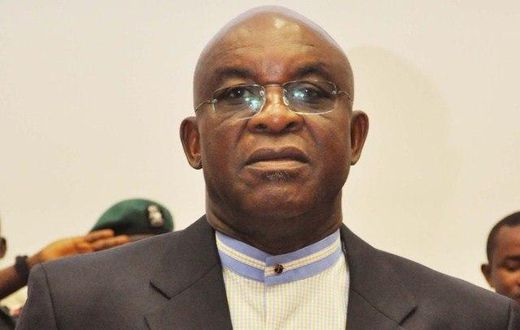
Botswana’s Duma Gideon Boko
Botswana’s president, Duma Gideon Boko, has brought a fresh flair to the southern African country’s leadership image. Known for his meticulously tailored suits—always pressed to perfection—Boko exudes sophistication befitting his roles as both statesman and lawyer. His versatile wardrobe stands out, but observers say it’s Boko’s sharply defined haircut that often draws immediate attention, serving as a subtle but powerful assertion of both his identity and professional acumen.
Since assuming office in November 2024, Boko has guided Botswana with a style that blends tradition and modernity, mirroring his policies and leadership style. His unique grooming choices, which have become part of his public image, are cited by local media as emblematic of a new generation of African leaders investing in both substance and image.

Source: AFP
Emmerson Mnangagwa of Zimbabwe
Zimbabwe’s President Emmerson Mnangagwa is widely recognized for a different kind of fashion statement: his bright, striped scarf which vividly mirrors the national flag’s red, yellow, green, white, and black colours. At nearly every public appearance, whether on home soil or at international gatherings, Mnangagwa is rarely seen without what has come to be called “the Mnangagwa scarf.”
The scarf has generated significant discussion both within Zimbabwe and across the continent. According to Harare-based political commentator Tendai Muzenda, “That simple scarf sends a message of patriotism and unity at every turn. It’s a wearable reminder of national pride and resilience.”

Source: AFP
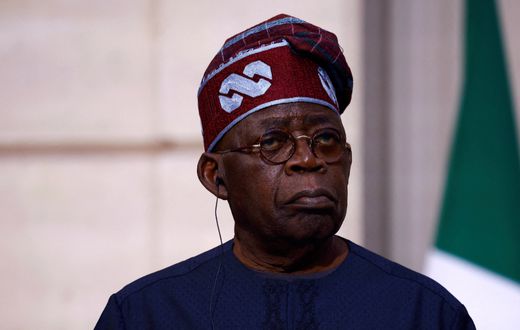
Nigeria’s Bola Tinubu
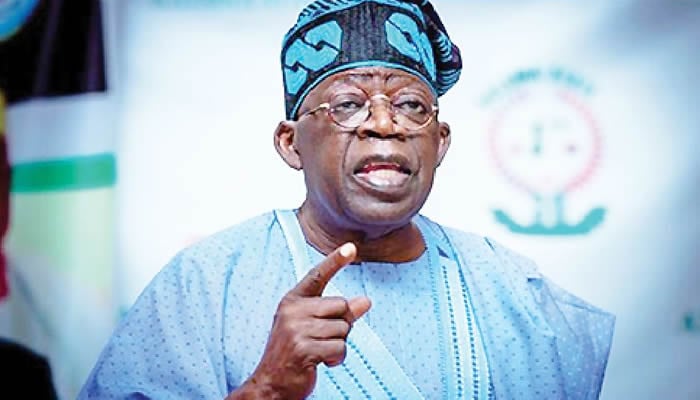
For Nigerians and West Africans, President Bola Tinubu’s attire is deeply symbolic. The 73-year-old commander-in-chief frequently appears in flowing, wide-sleeved garments known as Agbada—a staple among Yoruba men, reflective of status and heritage. Tinubu’s fashion sense is amplified by his trademark cap, widely adopted by supporters as an emblem of loyalty.
Tinubu’s clothing choices not only invoke Yoruba pride but also connect him with the Hausa community, where a similar ensemble, the Baban riga, is popular. According to Lagos-based culture expert Professor Ayo Ogunyemi, “In Nigeria, clothing is a language and Tinubu’s Agbada speaks to leadership, history, and unity.” Some analysts note that this approach builds bridges across ethnolinguistic groups, reinforcing Tinubu’s public image as a unifying national figure.

Photo Credit: @officialABAT
Source: Twitter
Tanzania’s Samia Suluhu Hassan
President Samia Suluhu Hassan distinguishes herself among African leaders by consistently wearing a hijab in public. Committed to her Islamic faith, Suluhu Hassan’s elegant and impeccably styled hijab not only marks her identity but also stands as a visible symbol of cultural and religious pride.
Her presence at international forums, especially for group photographs, often highlights the diversity of African leadership. According to sources in Dar es Salaam, her sartorial choices have inspired many young women and signaled increased representation in male-dominated political spheres.

Source: Twitter
Namibia’s Netumbo Nandi-Ndaitwah
In Namibia, President Netumbo Nandi-Ndaitwah has developed a reputation for the stylish head wraps she wears—which have now become her unmistakable trademark across the southern African nation. She wore one during her inauguration as the country’s first female leader in March 2025, using fashion as a form of cultural storytelling and empowerment. As a celebrated liberation fighter, Nandi-Ndaitwah’s fashion amplifies her history and serves as a reminder of Namibia’s ongoing journey toward equality.
Burkina Faso’s Captain Ibrahim Traore
Captain Ibrahim Traore, currently one of Africa’s youngest leaders, is unwavering in his preference for military fatigues—regardless of the occasion. Ever since he assumed power after a military takeover in September 2022, Traore’s choice of attire has powerfully signaled both his origins and the ideals of Burkina Faso’s new leadership. His style, characterized by military discipline, youthfulness, and assertive pan-African rhetoric, has reportedly earned him admiration among youth populations in the region.
Analysts in Ouagadougou suggest that maintaining his “soldier in command” visual identity underlines a commitment to security and national sovereignty, themes central to current West African politics.

Source: AFP
Regional Diplomacy: South Africa and Rwanda Tensions Over Congo Crisis
In the midst of these displays of fashion and identity, recent news has also focused on deepening diplomatic tensions in the southern region. South Africa and Rwanda, two countries known for strong-willed presidents, have renewed their rivalry—this time around an escalating crisis in the Democratic Republic of Congo (DRC).
According to reports from reputable sources such as Al Jazeera, President Cyril Ramaphosa of South Africa accused the Rwandan-backed M23 rebel group of the deadly attack on South African peacekeepers in the DRC. In response, South Africa issued a sharp diplomatic warning, stating that any future attacks would be “regarded as a declaration of war.”
This episode has wider implications across Africa, particularly for Nigerian and West African peacekeepers regularly deployed to conflict zones. Diplomatic analysts in Abuja warn that these tensions may impact future continental collaborations on security and humanitarian efforts. Local voices in Lagos and Accra are keenly following such developments, reflecting growing pan-African awareness and concern for stability in the region.
African presidents may express their identities through unique dress codes, but the continent continues to reckon with shared security challenges and the need for cooperation in turbulent times.
As West Africans, what do you think about the sartorial styles of African presidents—do you believe they foster unity, cultural pride, or simply make headlines? How do you feel about the current diplomatic tensions between South Africa and Rwanda, especially considering the potential impact on Nigeria and neighbouring nations? Drop your thoughts in the comments and let’s keep the conversation going!
For general support, reach out at [email protected].
Follow us on Facebook, X (Twitter), and Instagram for headline updates, interactive debates, and behind-the-scenes stories!