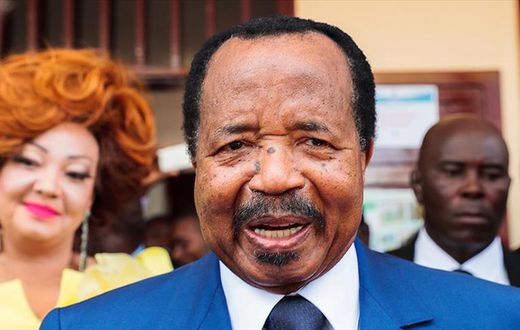


In a fresh twist to the ongoing debate on Nollywood longevity, seasoned actor Bob Manuel Udokwu has weighed in on the legacy of Pete Edochie—one of Nigeria’s most respected film figures. Appearing on the Yan Kontent Factory podcast, Bob Manuel addressed common misconceptions about Edochie’s place in the history of Nollywood, providing insight into the origins and evolution of the industry.
During his appearance, Bob Manuel acknowledged Edochie’s seniority in terms of age but firmly stated that his own career in Nollywood began before that of the widely revered actor. Referencing key milestones, he pointed out that Edochie was not part of the original cast of the iconic film, Living in Bondage, which many credit as the film that launched the modern Nigerian movie industry.
The podcast conversation offers fresh perspectives on Nollywood’s beginnings and highlights how public assumptions can sometimes overshadow the true sequence of events and contributions of pioneering actors.
“Pete Edochie is not the oldest man in Nollywood. I have been in Nollywood longer than him, though he is older than me in age,” he said in the viral video.
This isn’t the first time Nollywood veterans have shared their views in recent weeks. Bob Manuel’s remarks come soon after Yoruba actor Yemi Solade made headlines for reflecting on his own acting journey. Solade drew comparisons with Edochie, proudly recalling that he started acting at the young age of 17 and had the honour of representing Nigeria at Festac ’77—the historic arts and culture festival that continues to influence West African creative expression.
Yemi Solade’s comments reignited conversations about the roots of Nollywood and how the contributions of various actors are measured. In a video that circulated on social media, Solade spoke of his early entry into the scene and the benchmarks of his generation.

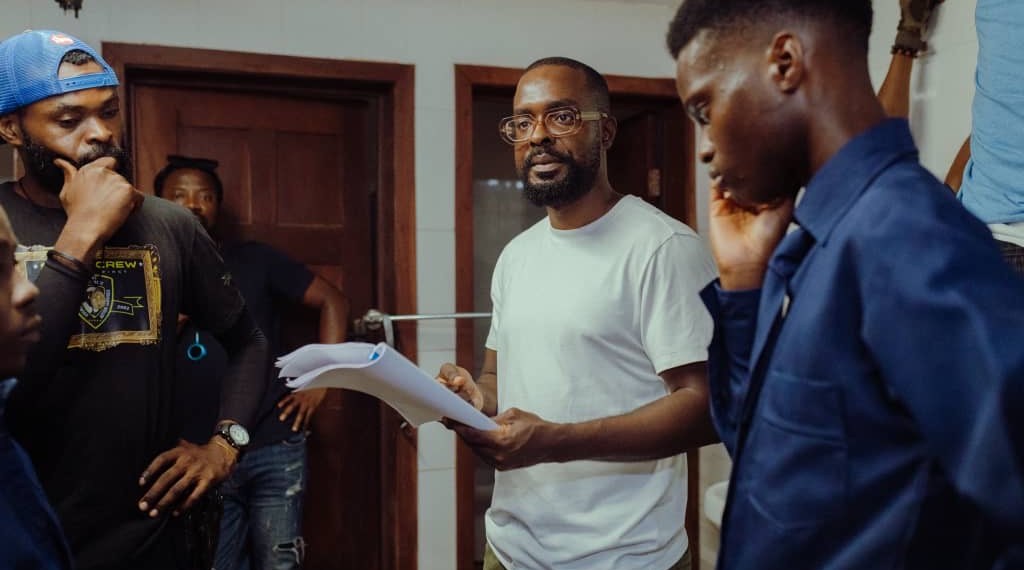
Credit: bobmanuel
Source: Instagram
Despite these revelations, some fans and observers took to social media to dispute Solade’s claims. Many referenced Edochie’s celebrated role as Okonkwo in the televised adaptation of Chinua Achebe’s “Things Fall Apart,” arguing that Edochie’s influence on Nollywood—and indeed Nigerian culture—remains unmatched.
https://www.instagram.com/yankontentfactory/reel/DOVQQXADJkB/
of Bob Manuel speaking about Nollywood on the podcast is below:
Watch the viral clip of Bob Manuel discussing Pete Edochie here:
Reactions Trail Bob Manuel’s Perspective on Edochie
Bob Manuel’s comments sparked widespread discussion on social platforms such as X (formerly Twitter) and Instagram, with users expressing mixed reactions. Some commended him for clarifying the often-misunderstood history of Nollywood while others felt that the legacy and impact of Edochie eclipse the order of entry into the industry.
Nigerians are known for their passionate defence of iconic figures, especially those who have shaped the country’s entertainment landscape. As one X user, Clems_Andy, shared:
“I’ve never for one day see Nnanyi Pete Edochie respond to all these media circus of clowns. Man just dey chill dey enjoy life.”
Another commenter, KaroBlvk, responded to the debate:
“Pete Edochie is king! … Seeing him in movies alone gives me that fatherly comfort and relaxing feeling. I don’t know how he makes y’all feel but that man is not an ordinary figure. Put him and Oba of Benin in same room and invite a stranger to point who’s king.”
From another perspective, mstarbryant added their thoughts:
“This is so not necessary and really very sad .. Mr Bob Manuel what was the need for this ??”
Furthering the discussion, its_emyce stated:
“I think the aura of Pete Edochie is quite intimidating to his colleagues because I am yet to see anywhere Pete boasted to be the first or pioneer in the movie industry..Secondly, Bob in this interview reiterated the significant effect of the movie LIB in Nollywood.”
And chukaobi offered yet another viewpoint:
“This is particularly funny & stupid because Pete Edochie was a national superstar BEFORE NOLLYWOOD EXISTED. “Things Fall Apart” was the biggest thing on TV in 1987, adapted from the biggest novel in black history. Or should we also discount Bob-Manuel’s “Checkmate” era in 1991?”
Nollywood’s Timeline: Contributions, Seniority, and Industry Growth
The debate highlights deeper questions about how seniority is determined in the Nigerian film industry. Is it the number of years spent in the craft, participation in pivotal productions, or the magnitude of cultural influence? Industry insiders argue that both time and talent matter, yet impact and recognizability often shape public opinion most powerfully.
A Lagos-based film critic, Blessing Obasi, explained, “Nollywood’s history is more intricate than people realise. There were pioneers in both the English- and Yoruba-language film circles before Living in Bondage unified the industry into what we now recognise as Nollywood. Each actor and filmmaker played a role in this tapestry.”
Industry observers have also noted that similar debates have occurred in other parts of Africa, particularly between Nigeria and Ghana. The evolution of the Ghanaian film industry—commonly referred to as Ghallywood—shows parallel growth and friendly rivalry, with actors from both sides making significant contributions to West African cinema.
According to a 2022 UNESCO report, Nigeria produces over 2,500 films annually, making Nollywood the second largest film industry in the world by volume. The debates about legacy and seniority serve as a reminder of how dynamic and youth-driven the industry remains, even as veteran actors continue to play key roles.
Comparative Debate: What Kanayo Said About Pete Edochie
As discussions about Nollywood hierarchy continue, actor Kanayo O. Kanayo—fondly known as ‘Nnayi Sacrifice’—recently shared his own reflections on Nollywood’s foundation in an interview with Afia TV. Kanayo claimed that, in terms of years active within Nollywood’s present-day structure, he is senior to Edochie. However, he emphasized that the industry’s evolution was collaborative, with many stakeholders playing indispensable roles along the way.
Kanayo was quick to clarify that while timelines and achievements vary, figures like Edochie, Nnebue (executive producer of Living in Bondage), and himself must be recognized for their collective contributions to Nollywood’s meteoric rise. This inclusive stance resonates with both fans and industry analysts, who see the blend of generational talent as central to Nollywood’s continuing success.
According to industry analysts, such statements may encourage younger actors to better appreciate the roots of the industry while also motivating them to forge their own legacy. As West Africa’s entertainment sector continues to gain ground internationally, these nuanced debates add further colour and context to Nollywood’s storied past.
Globally, African cinema is enjoying increased recognition, with Nollywood actors and creatives earning critical acclaim at film festivals and on streaming platforms. By highlighting both long-standing stars and emerging voices, the industry reflects the diversity that has always defined the West African creative landscape.
Ultimately, debates about “who started when” not only keep Nollywood’s history alive but also reflect a broader admiration for the actors and producers whose dedication put African cinema on the world map.
What do you think truly defines a legend in Nollywood—the number of years on screen, groundbreaking roles, or overall impact? Share your thoughts in the comments below and tell us which actor’s journey inspires you most!